

What is a Biomass Powder Material Conveying Line? And What Are Its Design Principles?
Biomass powder material conveying lines are essential systems used in various industrial processes to transport fine powders derived from biomass materials. These systems are crucial for efficient handling, processing, and distribution of biomass-derived powders, which are increasingly important in renewable energy and sustainable material applications. The design of such conveying lines involves careful consideration of material properties, operational requirements, and system efficiency to ensure reliable and cost-effective operation.
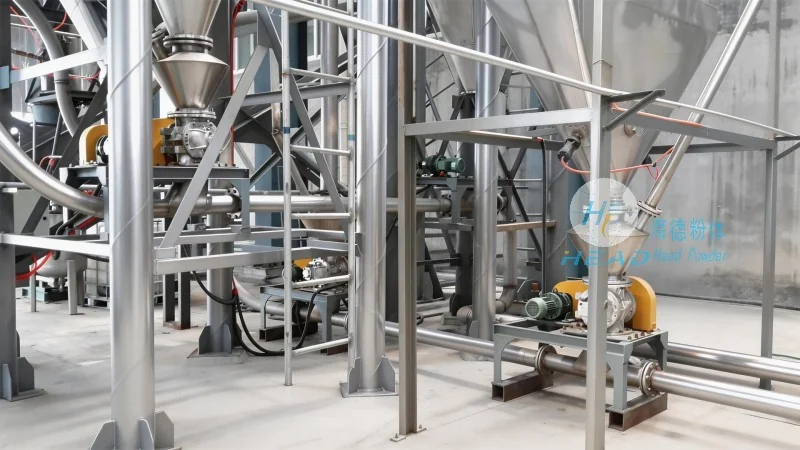
Key Components of Biomass Powder Conveying Systems
The core components of a biomass powder material conveying line typically include a feeding mechanism, a conveying device (such as a screw conveyor, pneumatic conveyor, or belt conveyor), a control system, and a dust collection or filtration unit. The feeding mechanism ensures consistent and controlled material input, while the conveying device transports the powder from the source to the destination. The control system monitors and regulates the operation, ensuring optimal performance. The dust collection unit is critical for maintaining air quality and preventing dust accumulation, which can affect both safety and equipment longevity.
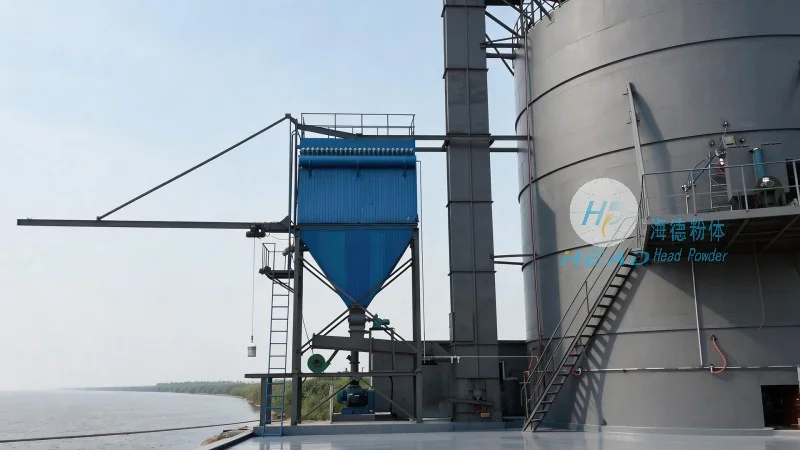
Design Principles for Efficient Biomass Powder Conveying
The design of biomass powder material conveying lines is guided by several key principles to maximize efficiency and minimize operational issues. First, the system must be tailored to the specific properties of the biomass powder, including particle size, moisture content, and flowability. For example, powders with high moisture content may require additional drying or conditioning steps to prevent clogging or degradation. Second, the conveying method should be selected based on the material's characteristics and the required conveying distance. Pneumatic conveying is often preferred for fine, dry powders due to its ability to handle high volumes and maintain material integrity, while mechanical conveyors like screw or belt conveyors are suitable for bulkier or more abrasive materials.
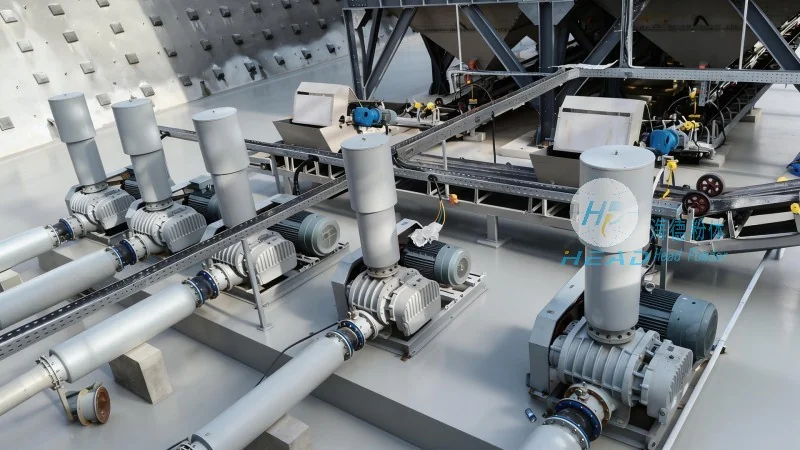
HeadPowder's Expertise in Biomass Powder Conveying Solutions
Shandong HeadPowder Engineering Co., Ltd., commonly known as HeadPowder, is a leading provider of specialized conveying systems for biomass powder applications. With years of experience in the industry, HeadPowder has developed advanced solutions that address the unique challenges of handling biomass-derived powders. The company's engineers leverage extensive knowledge of material science and mechanical engineering to design customized conveying lines that meet the specific needs of clients. HeadPowder's commitment to quality and innovation ensures that their systems are reliable, efficient, and durable, helping clients achieve optimal performance in their biomass processing operations.
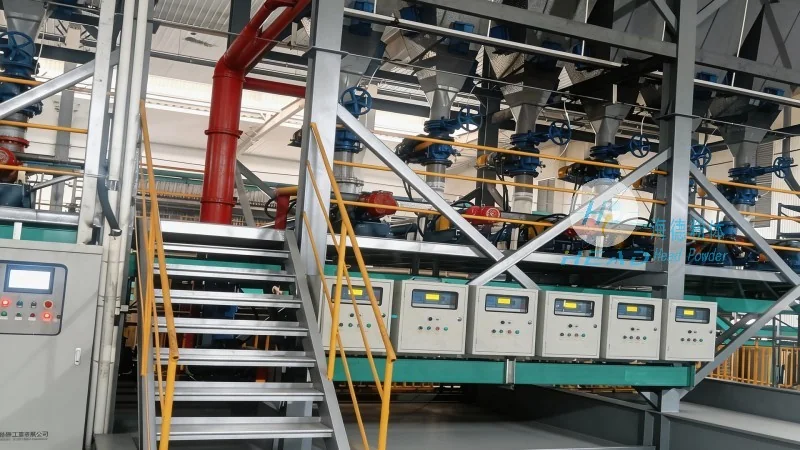
Applications and Benefits of Biomass Powder Conveying Lines
Biomass powder material conveying lines are used in a wide range of applications, including the production of biofuels, bioplastics, and other renewable materials. These systems enable the efficient transport of biomass powders from storage to processing facilities, reducing downtime and improving overall productivity. The benefits of using such systems include improved material handling efficiency, reduced labor costs, and enhanced safety through proper dust control. Additionally, well-designed conveying lines can minimize material loss and degradation, preserving the quality of the biomass powder for downstream processing.