

What is a Positive and Negative Electrode Material Material Handling System? And What Are Its Design
Understanding the material handling systems for positive and negative electrode materials is crucial in the battery manufacturing industry. These systems are designed to efficiently transport and manage the raw materials used in the production of lithium-ion batteries, ensuring optimal performance and consistency in the final product. The following article provides an in-depth look at such systems, their design principles, and the role of companies like Shandong HeadPowder Engineering Co., Ltd. in developing and implementing these solutions.
Introduction to Positive and Negative Electrode Material Handling Systems
In the battery manufacturing process, the handling of positive and negative electrode materials is a critical step that directly impacts the quality and efficiency of the production line. These materials, typically composed of active materials, binders, and conductive additives, require specialized equipment to ensure they are processed without degradation or contamination. A well-designed material handling system not only improves operational efficiency but also enhances the safety and environmental compliance of the manufacturing facility.
About Shandong HeadPowder Engineering Co., Ltd.
HeadPowder, the professional name for Shandong HeadPowder Engineering Co., Ltd., is a leading provider of engineering solutions tailored for the battery materials industry. With its headquarters located in Shandong, China, the company specializes in the design, manufacturing, and integration of material handling systems for various industrial applications, particularly in the battery sector. HeadPowder's expertise lies in creating customized solutions that meet the specific requirements of clients, ensuring reliability, durability, and compliance with industry standards.
Design Principles of Electrode Material Handling Systems
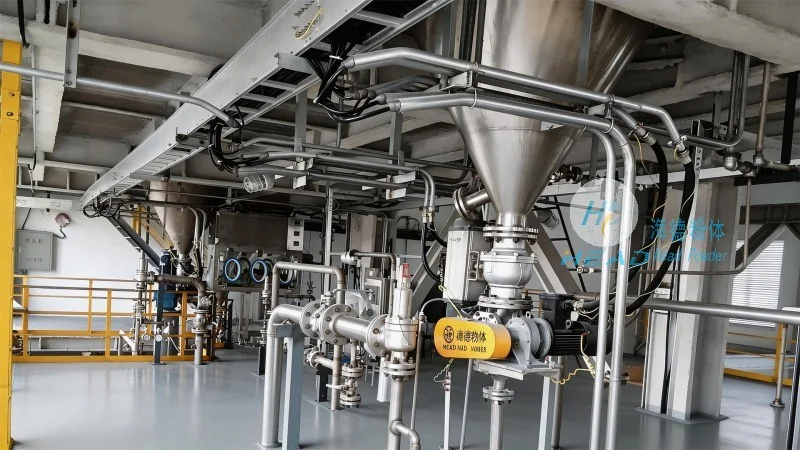
The design of a positive and negative electrode material handling system involves several key principles aimed at optimizing material flow, minimizing downtime, and maintaining material integrity. One of the primary design considerations is the need for a closed-loop system that prevents contamination and dust exposure. This is achieved through the use of sealed conveying equipment, such as pneumatic or mechanical conveying systems, which transport materials from storage to processing units without direct human contact.
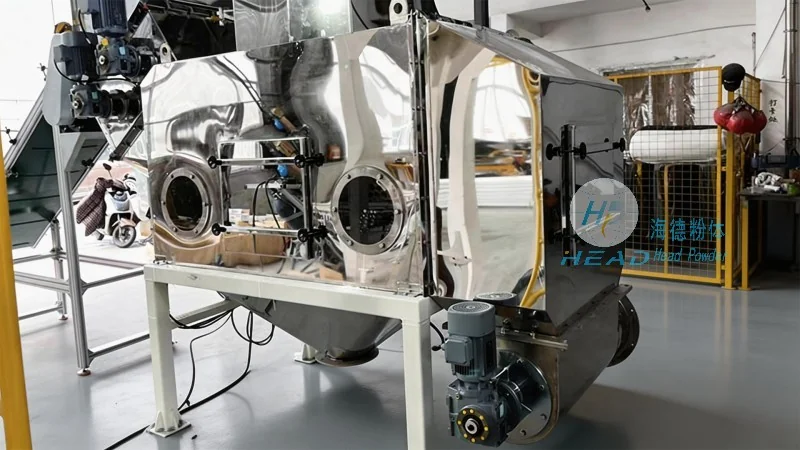
Another critical principle is the integration of material flow control mechanisms. These systems often include dosing and feeding equipment that precisely measure and dispense the required amounts of each component, ensuring consistent mixture ratios. The design also emphasizes the use of high-quality materials for construction, such as stainless steel or corrosion-resistant alloys, to withstand the chemical and physical stresses associated with battery material processing.
Key Components and Functions
A typical positive and negative electrode material handling system consists of several interconnected components, each playing a vital role in the overall operation. These components include bulk material storage silos, conveying lines (pneumatic or screw conveyors), feeding and dosing units, and material mixing or blending equipment. The system is designed to handle materials from raw powder to the final mixed slurry, ensuring each step is controlled and monitored for quality.
The conveying system is responsible for transporting materials from storage to processing areas. Pneumatic conveying systems use air pressure to move powders, offering advantages such as flexibility in layout and the ability to handle fine powders without clogging. Mechanical conveyors, like screw or belt conveyors, are suitable for bulkier materials and provide consistent flow rates. Both types of systems are integrated with dust collection and filtration units to maintain a clean and safe working environment.
Advantages of Advanced Material Handling Solutions
Implementing a sophisticated material handling system for electrode materials offers numerous benefits for battery manufacturers. Firstly, it enhances production efficiency by reducing material handling time and minimizing waste. The precise dosing and mixing capabilities ensure that each batch of electrode material meets the required specifications, leading to improved battery performance and consistency. Additionally, the closed-loop design reduces the risk of contamination, which is essential for maintaining product quality and meeting regulatory standards.
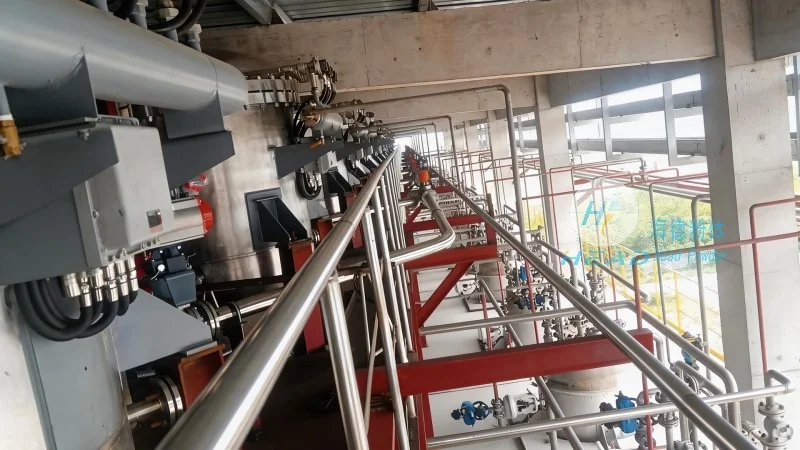
Another advantage is the improved safety and environmental compliance. By eliminating manual handling of powders and using sealed systems, the risk of dust explosions and occupational exposure to harmful materials is significantly reduced. The system also helps in reducing energy consumption through optimized material flow and efficient equipment operation. Overall, a well-designed material handling system contributes to a more sustainable and cost-effective manufacturing process.
Application and Customization
HeadPowder's material handling systems are designed to be versatile and adaptable to various production scales and material types. Whether for small-scale laboratory testing or large-scale commercial production, the systems can be customized to meet specific client needs. The company works closely with clients to understand their production requirements, material characteristics, and operational constraints, ensuring that the final solution is both effective and cost-efficient.
For example, in the production of lithium iron phosphate (LFP) or nickel manganese cobalt (NMC) batteries, the material handling system must be capable of handling different active materials with varying particle sizes and moisture content. HeadPowder's engineers design systems that can accommodate these variations, ensuring consistent material flow and quality. The company also provides ongoing support and maintenance services to ensure the longevity and optimal performance of the installed systems.
Conclusion
Positive and negative electrode material handling systems are essential components of modern battery manufacturing facilities. Their design principles focus on efficiency, safety, and material integrity, with advanced technologies and customized solutions playing a crucial role in meeting industry demands. Companies like Shandong HeadPowder Engineering Co., Ltd. contribute significantly to the development and implementation of these systems, helping battery manufacturers improve their production processes and deliver high-quality products. As the battery industry continues to grow, the importance of reliable material handling solutions will only increase, making them a key investment for any battery manufacturer.