

Analysis of Carbon Powder Pneumatic Conveying Technology: Comparison of Positive and Negative Pressu
Carbon powder pneumatic conveying technology is a critical method for transporting carbon-based materials in industrial applications. This technology involves using air to move powders through a pipeline system, and it is widely used in various industries such as carbon manufacturing, chemical processing, and material handling. The core of this technology lies in the two primary modes: positive pressure and negative pressure systems. Understanding the differences and advantages of each mode is essential for selecting the most suitable solution for specific operational needs.
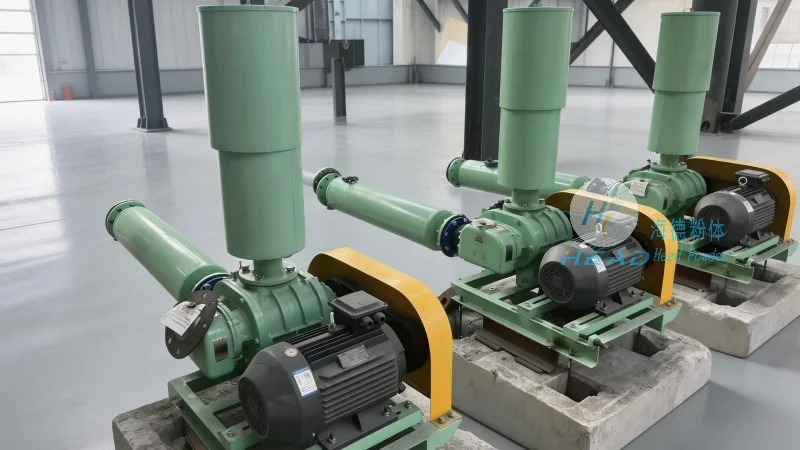
Overview of Carbon Powder Pneumatic Conveying Systems
Carbon powder pneumatic conveying systems are designed to transport carbon powders efficiently and safely. These systems consist of a series of components, including a conveyor line, a blower or vacuum pump, a hopper for material storage, and a control system. The choice of system type—positive or negative pressure—depends on factors like material characteristics, distance, and the required flow rate. Both modes have their unique operational principles and are tailored to different industrial scenarios.
Positive Pressure Pneumatic Conveying Mode
Positive pressure systems operate by forcing air through the conveying line, creating a pressure higher than the ambient air pressure. This method is particularly effective for transporting materials over longer distances or through complex piping networks. The high-pressure air pushes the carbon powder through the system, ensuring consistent flow and preventing material degradation. In positive pressure mode, the system maintains a positive pressure throughout the pipeline, which helps in preventing contamination from external air and maintaining the quality of the carbon powder. This mode is often preferred for applications where the material is sensitive to moisture or where the conveying distance is significant.
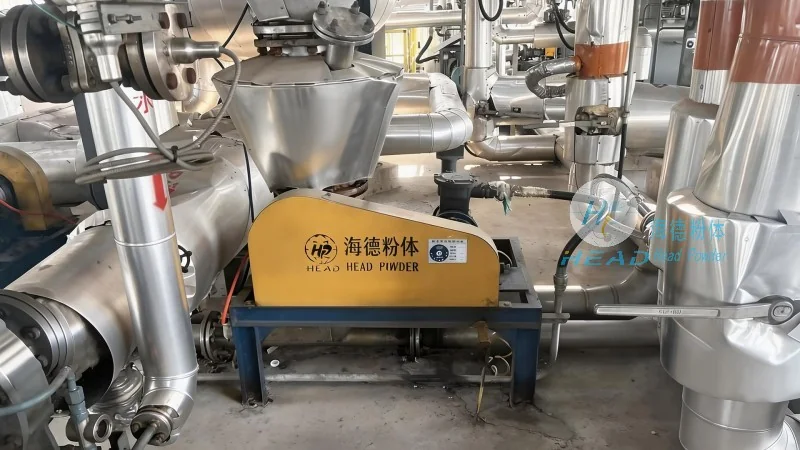
Negative Pressure Pneumatic Conveying Mode
Negative pressure systems, on the other hand, create a vacuum in the conveying line, drawing the carbon powder into the system. The vacuum pulls the material from the source, making it suitable for shorter distances and simpler layouts. This mode is generally more cost-effective for shorter conveying tasks and is ideal for applications where the material is not highly abrasive or where the system does not need to handle large volumes. Negative pressure systems are also beneficial when the material is prone to dust emissions, as the sealed pipeline helps in containing particles and reducing environmental impact.
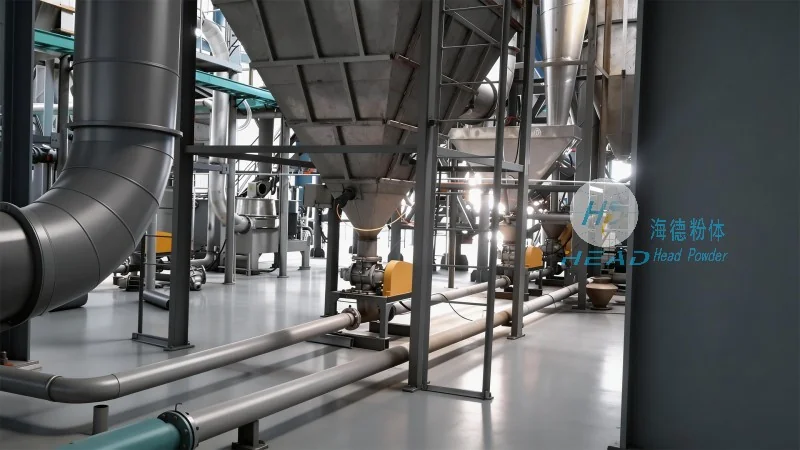
Key Differences Between Positive and Negative Pressure Modes
When comparing positive and negative pressure pneumatic conveying modes, several factors differentiate them. The most significant difference is the pressure differential: positive pressure uses excess pressure, while negative pressure uses vacuum. This affects the system's energy consumption, with positive pressure typically requiring more power due to the need to maintain higher pressure. However, negative pressure systems may have higher maintenance costs due to the wear on vacuum pumps and the risk of air leaks. Another key aspect is the material handling capability; positive pressure can handle a wider range of particle sizes and densities, including cohesive or abrasive materials, whereas negative pressure is better suited for non-aggressive powders and shorter distances. The environmental impact also varies, as positive pressure systems are less likely to release dust into the atmosphere compared to negative pressure systems, which rely on sealed pipelines to contain emissions.
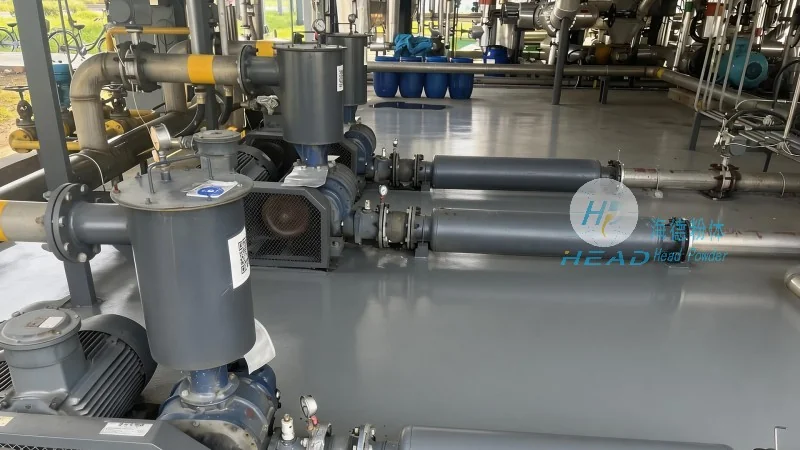
Applications and Practical Considerations
The choice between positive and negative pressure modes for carbon powder conveying depends on specific operational requirements. For instance, in large-scale carbon manufacturing plants where materials are transported over several kilometers, a positive pressure system may be more appropriate due to its ability to handle long distances and maintain material integrity. Conversely, in smaller-scale applications or for short-distance transfers, a negative pressure system can offer cost savings and simplicity. Factors such as the material's moisture content, particle size distribution, and the presence of contaminants also influence the selection. Additionally, the system's scalability and future expansion needs should be considered when choosing between the two modes.
HeadPowder's Expertise in Carbon Powder Pneumatic Conveying
Shandong HeadPowder Engineering Co., Ltd. specializes in providing advanced solutions for carbon powder pneumatic conveying. With years of experience in the industry, HeadPowder has developed customized systems that cater to the unique needs of clients. The company's expertise lies in designing both positive and negative pressure systems, ensuring optimal performance and efficiency. By leveraging cutting-edge technology and rigorous testing, HeadPowder delivers systems that meet the highest standards of reliability and durability. The company's commitment to quality and customer satisfaction has made it a trusted partner for businesses seeking efficient material handling solutions. Located in Shandong, China, HeadPowder serves clients globally, offering tailored solutions that enhance operational efficiency and reduce costs in carbon powder processing.