

What is a Fly Ash Particle Pneumatic Conveying Machine? And What Are Its Design Principles?
For industries dealing with fly ash, an efficient and reliable method of transporting these fine particles is crucial. The fly ash particle pneumatic conveying machine, also known as a pneumatic conveyor, is a specialized equipment designed to handle the transportation of fly ash from one location to another. This equipment utilizes air pressure or vacuum to move the fly ash particles through a pipeline system, offering a dust-free and efficient solution compared to traditional methods like belt conveyors or bucket elevators. The machine is particularly suitable for applications where the fly ash needs to be transported over long distances or through complex layouts, as it can easily navigate changes in elevation and direction without the need for additional equipment.
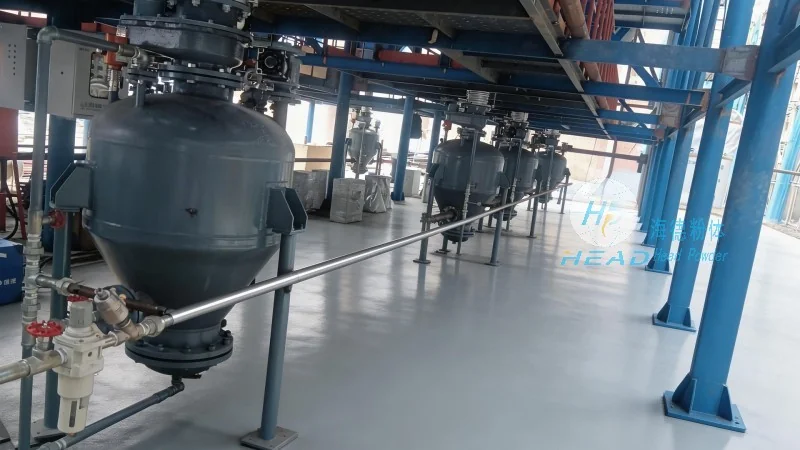
Design Principles of the Fly Ash Particle Pneumatic Conveying Machine
The design of a fly ash particle pneumatic conveying machine is based on several key principles that ensure optimal performance and efficiency. The primary design principle is the use of air as the conveying medium. The machine operates by creating a flow of air within a pipeline, which then carries the fly ash particles along with it. This process can be achieved through two main methods: positive pressure systems and negative pressure (or vacuum) systems. In a positive pressure system, compressed air is introduced at the inlet of the conveyor, pushing the fly ash particles through the pipeline. Conversely, a negative pressure system uses a vacuum at the discharge end to draw the fly ash particles into the pipeline. The choice between these systems depends on the specific application, distance of transport, and the characteristics of the fly ash material, such as its moisture content and particle size distribution. For instance, positive pressure systems are often preferred for short to medium distances and when the fly ash is dry, while negative pressure systems are more suitable for longer distances or when the fly ash contains a higher moisture content.
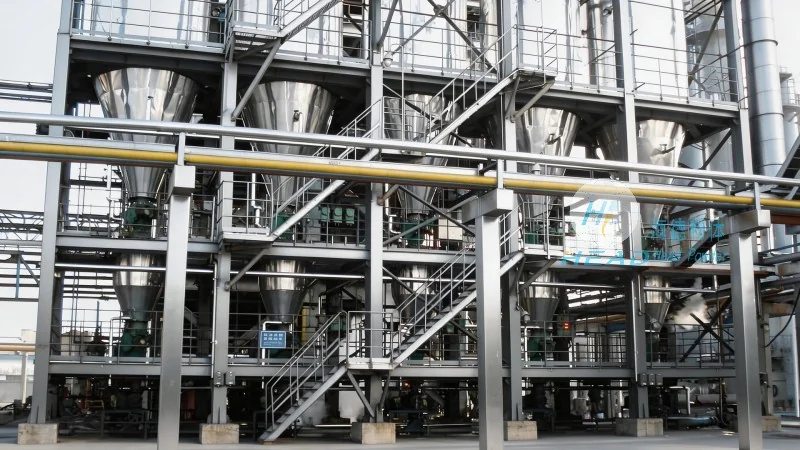
Key Components and Their Roles in the Machine
Several key components work together to ensure the smooth operation of the fly ash particle pneumatic conveying machine. The main components include the air compressor or vacuum pump, the hopper or feed system, the pipeline system, the control valves, and the discharge unit. The air compressor or vacuum pump provides the necessary air pressure or vacuum to initiate the conveying process. The hopper or feed system is responsible for feeding the fly ash particles into the pipeline at a controlled rate, preventing blockages and ensuring a consistent flow. The pipeline system, typically made of stainless steel or other corrosion-resistant materials, is designed to withstand the abrasive nature of fly ash and the pressure or vacuum conditions. The pipeline may also include bends, elbows, and other fittings to direct the flow of the fly ash particles. The control valves regulate the flow of air and the feed rate, allowing for precise control over the conveying process. This is essential for maintaining the pressure within the system and preventing the formation of air pockets or blockages. Finally, the discharge unit, often equipped with a filter or separator, collects the fly ash particles at the end of the pipeline and prevents dust from escaping into the environment. The filter or separator may include a baghouse or cyclone to capture any fine particles and return them to the pipeline or to a collection system.
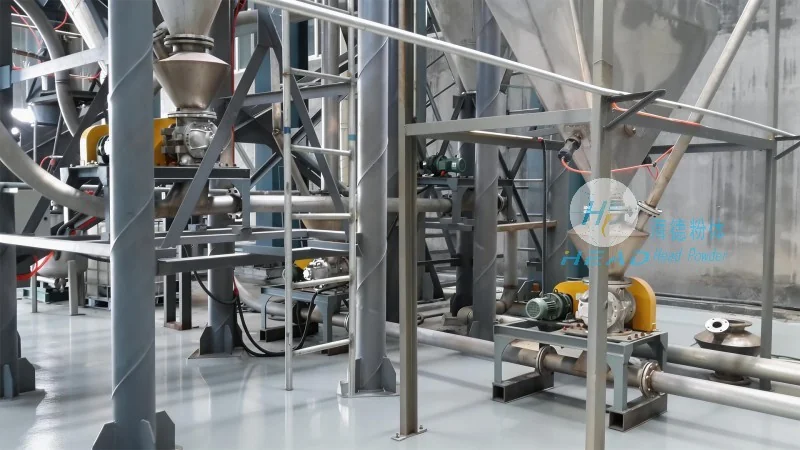
Advantages of Using a Fly Ash Particle Pneumatic Conveying Machine
Compared to traditional transportation methods, the fly ash particle pneumatic conveying machine offers several advantages. One of the most significant advantages is the ability to transport fly ash in a dust-free environment, which improves safety and reduces the risk of respiratory issues for workers. This is particularly important in industries where the fly ash may contain hazardous substances or where worker health is a top priority. Additionally, this method is highly efficient and can transport fly ash over long distances with minimal energy consumption. The machine also allows for the integration of multiple feeding and discharge points, making it suitable for complex industrial processes where the fly ash needs to be distributed to several locations. Furthermore, the design of the machine minimizes the risk of material degradation or segregation, ensuring that the quality of the fly ash is maintained throughout the conveying process. This is crucial for applications where the fly ash is used as a raw material in other processes, such as cement production or brick manufacturing.