

Introduction to Molybdenum Oxide Pneumatic Conveying and the Working Principle of Pneumatic Conveyin
For industries dealing with molybdenum oxide, efficient material handling is crucial to maintain production efficiency and safety standards. Pneumatic conveying systems offer a reliable solution for transporting this valuable chemical compound. This article provides an overview of molybdenum oxide pneumatic conveying, detailing the working principles and benefits of such systems.
Understanding Molybdenum Oxide and Its Handling Requirements
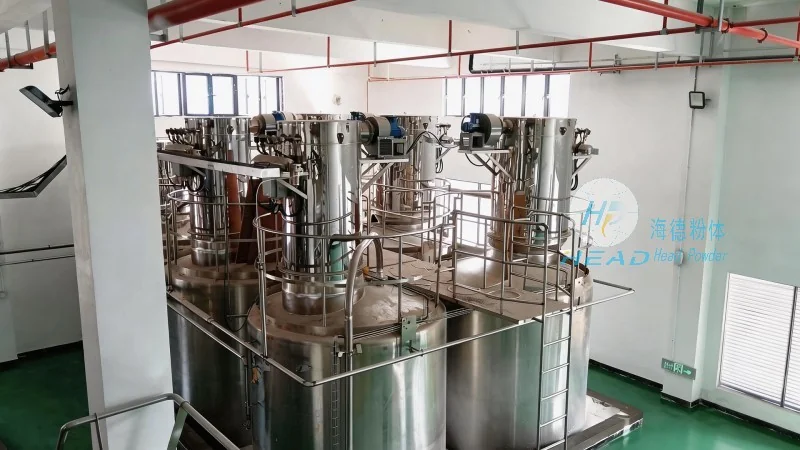
Molybdenum oxide (MoO₃) is a high-value chemical widely used in the production of molybdenum metal, catalysts, and other industrial applications. Due to its fine particle size and potential for dust generation, handling molybdenum oxide requires specialized equipment to ensure safety and prevent contamination. Pneumatic conveying systems are particularly effective for this purpose, as they can transport the material in a closed system, minimizing exposure risks and maintaining product integrity.
HeadPowder: A Leader in Pneumatic Conveying Solutions
HeadPowder, a division of Shandong HeadPowder Engineering Co., Ltd., specializes in designing and manufacturing advanced pneumatic conveying systems tailored to the needs of the chemical and mining industries. With years of experience and a commitment to innovation, HeadPowder provides customized solutions that enhance operational efficiency and safety for molybdenum oxide handling. The company’s headquarters is located in Shandong, China, where it leverages local expertise and resources to deliver high-quality products and services.
The Working Principle of Pneumatic Conveying Systems
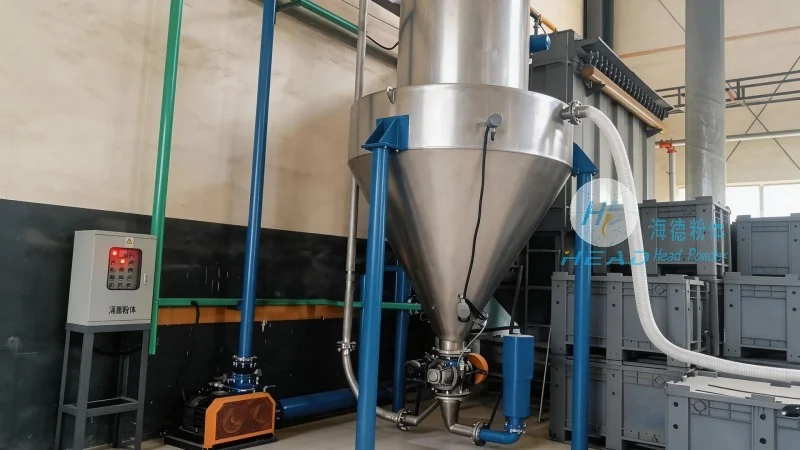
Pneumatic conveying systems utilize air or other gases to transport bulk materials through a network of pipes. For molybdenum oxide, these systems typically operate under positive pressure, where compressed air is introduced into the material hopper, creating a flow that propels the particles through the system. The process involves several key components, including a hopper for material storage, a blower or compressor to generate airflow, and a series of pipes and valves to direct the material to its destination. The system can be designed as a dilute-phase or dense-phase system, depending on the material characteristics and required transport distance.
Key Benefits of Molybdenum Oxide Pneumatic Conveying
Implementing a pneumatic conveying system for molybdenum oxide offers several advantages. Firstly, it provides a dust-free environment, reducing health risks for workers and preventing product contamination. Secondly, the closed system minimizes material loss and improves overall material recovery rates. Additionally, pneumatic conveying systems can be integrated with other processing equipment, such as mixers or reactors, to streamline production workflows. The flexibility of these systems also allows for easy expansion or modification as production needs change.
Applications in Molybdenum Oxide Processing
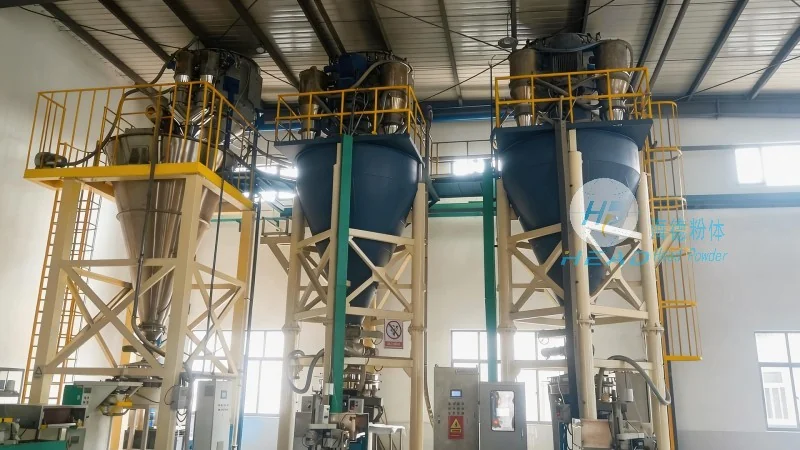
Molybdenum oxide is commonly used in the production of molybdenum metal, which is then utilized in steel alloys, lubricants, and catalysts. Pneumatic conveying systems are essential in these processes for transporting molybdenum oxide from storage to processing units. For example, in the production of molybdenum metal, the oxide is often converted to molybdenum powder through reduction processes, and pneumatic conveying ensures that the material is moved efficiently and safely through each stage of the production line.
Ensuring Safety and Compliance in Molybdenum Oxide Handling
Handling molybdenum oxide requires adherence to strict safety and regulatory standards. Pneumatic conveying systems are designed with safety features such as explosion-proof components, dust collection systems, and pressure relief valves to mitigate risks. HeadPowder’s systems are engineered to meet international safety standards, ensuring that operations comply with local regulations and industry best practices. This commitment to safety not only protects workers but also enhances the company’s reputation and customer trust.
Customization and Maintenance of Pneumatic Conveying Systems
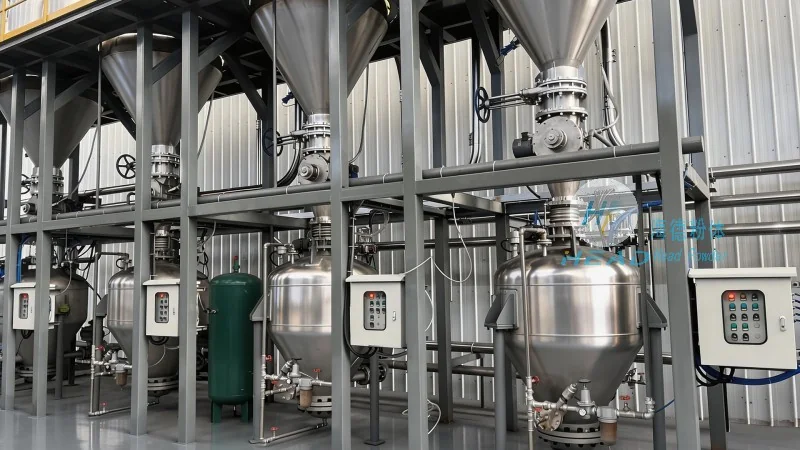
Every molybdenum oxide handling facility has unique requirements, and HeadPowder offers customized pneumatic conveying solutions to address these needs. The company works closely with clients to assess their specific material characteristics, production volumes, and operational constraints to design a system that maximizes efficiency and cost-effectiveness. Regular maintenance is also critical to ensure the longevity and performance of the system. HeadPowder provides comprehensive maintenance services, including routine inspections, component replacement, and troubleshooting, to keep the systems operating at optimal levels.
Conclusion: The Importance of Efficient Molybdenum Oxide Conveying
In conclusion, pneumatic conveying systems play a vital role in the efficient and safe handling of molybdenum oxide. By leveraging advanced technology and expertise, companies like HeadPowder are able to provide reliable solutions that meet the demands of modern industrial operations. Whether for small-scale or large-scale production, investing in a well-designed pneumatic conveying system is essential for maintaining productivity, ensuring safety, and achieving long-term success in molybdenum oxide processing.