

Components of Clay Coal Powder Pneumatic Conveying
Clay coal powder pneumatic conveying is a specialized method used in industrial settings to transport fine powders, such as clay and coal powders, through a pipeline system using air pressure. Understanding the components that make up this system is crucial for its efficient operation and maintenance. This article explores the key elements involved in clay coal powder pneumatic conveying, providing insights into how each component contributes to the overall functionality of the process.
Core Components of the Pneumatic Conveying System
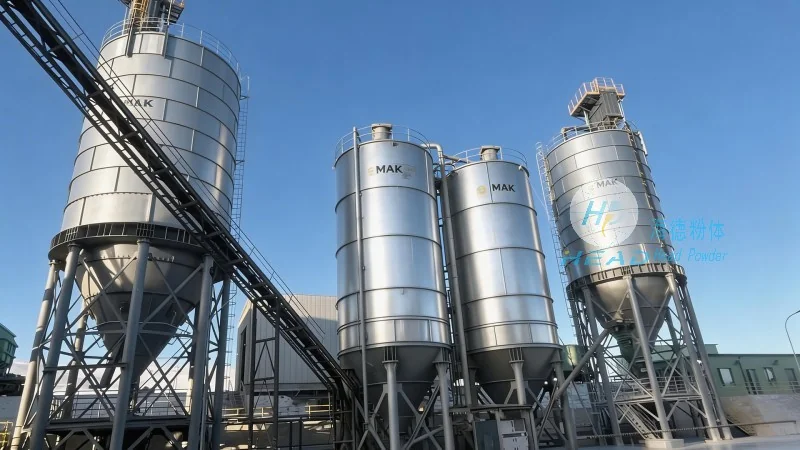
The clay coal powder pneumatic conveying system consists of several essential components that work in tandem to ensure the reliable and efficient transport of powders. These components are designed to handle the unique properties of clay and coal powders, which often present challenges like high moisture content, abrasive nature, and tendency to agglomerate. The primary components include the material feed system, conveying line, air supply system, and control mechanisms.
Material Feed System
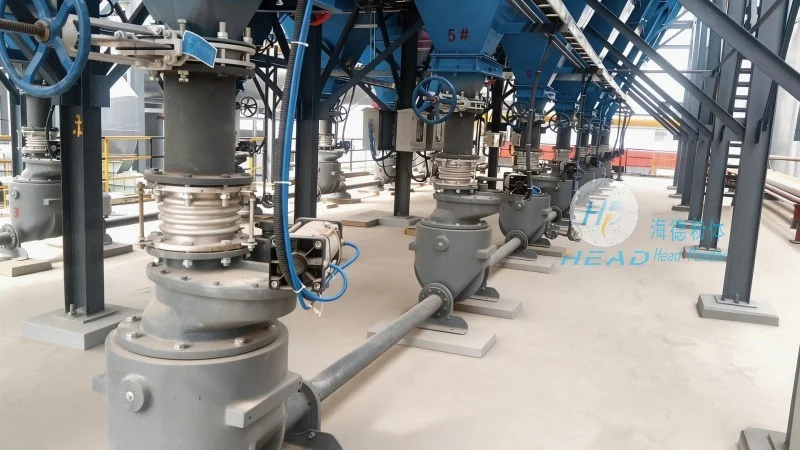
The material feed system is the initial stage of the clay coal powder pneumatic conveying process. It is responsible for introducing the clay and coal powders into the conveying line at a controlled rate. This component typically includes a hopper or bin that holds the raw material, a feeder such as a rotary valve or screw feeder, and sometimes a pre-drying or conditioning unit to manage moisture levels. The feeder ensures a consistent flow of material, preventing blockages and maintaining the desired conveying rate. For clay coal powders, which may have varying particle sizes and moisture content, a well-designed feed system is critical to avoid clogging and ensure smooth operation.
Conveying Line and Pipeline
The conveying line, or pipeline, is the central pathway through which the clay and coal powders are transported. It is usually made of materials like stainless steel, PVC, or other corrosion-resistant substances to withstand the abrasive nature of the powders and prevent material buildup. The pipeline is designed with appropriate bends, elbows, and straight sections to guide the material efficiently. The diameter and length of the pipeline are carefully selected based on the material's properties, conveying distance, and required flow rate. In some systems, the pipeline may include additional components like filters or cyclones to separate the powder from the air at the receiving end.
Air Supply System
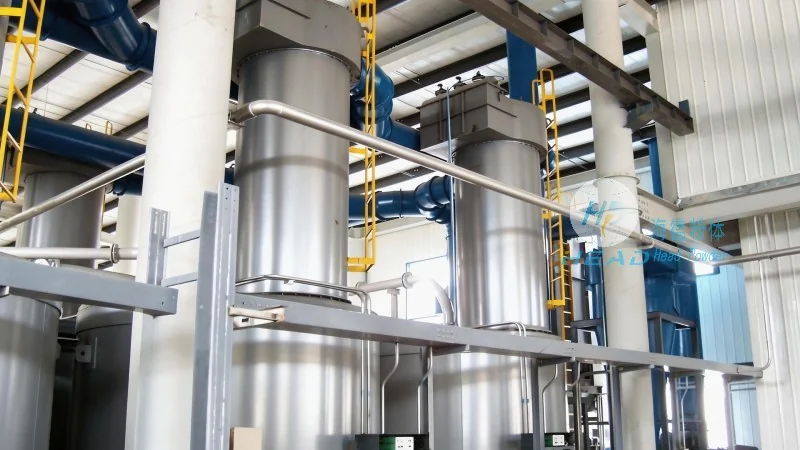
The air supply system provides the necessary pressure and volume of air to move the clay and coal powders through the pipeline. This system typically includes a blower or compressor, air filters, and pressure regulators. The blower generates the airflow that propels the powder particles, and the air filters ensure that the air is clean and free from contaminants that could affect the powder quality or system performance. The pressure regulators maintain a stable pressure within the system, which is essential for consistent conveying rates and preventing system failures. For clay coal powders, which may require higher air velocities due to their fine particle size, the air supply system must be capable of delivering sufficient power to overcome the resistance and move the material effectively.
Control and Monitoring Systems
Control and monitoring systems are vital for managing the clay coal powder pneumatic conveying process. These systems include sensors, controllers, and automation equipment that monitor parameters such as pressure, flow rate, and material level. The sensors detect any abnormalities in the system, such as blockages or pressure drops, and trigger alarms or automatic shutdowns to prevent damage. The controllers adjust the operation of the feed system, air supply, and other components based on real-time data, ensuring optimal performance. For example, if the material flow rate decreases, the controller may increase the air pressure or adjust the feeder speed to maintain the desired conveying rate. The monitoring systems also provide data for maintenance and troubleshooting, helping to identify potential issues before they become major problems.
Receiving and Discharge Equipment
The receiving and discharge equipment is the final stage of the clay coal powder pneumatic conveying system. It is responsible for collecting the clay and coal powders from the pipeline and transferring them to the storage or processing equipment. This component typically includes a cyclone separator or filter to separate the powder from the air, a hopper or silo for storage, and a discharge valve or conveyor to move the material to the next stage. The cyclone separator uses centrifugal force to separate the powder from the air, while the filter removes any remaining particles. The discharge equipment ensures that the material is delivered to the correct location without spillage or loss. For clay coal powders, which may be used in applications like cement production or brick manufacturing, the receiving equipment must be designed to handle the specific properties of the material, such as its moisture content and particle size.
Additional Components and Considerations
Beyond the core components, there are additional elements that may be included in a clay coal powder pneumatic conveying system to enhance its performance and reliability. These may include pre-drying units to reduce moisture content, agitators to prevent material buildup in the hopper, and cleaning systems to maintain the pipeline and equipment. The choice of components depends on the specific requirements of the application, such as the conveying distance, material properties, and production capacity. For example, in a large-scale industrial plant, a more complex system with multiple stages and advanced controls may be necessary to handle high volumes of clay and coal powders efficiently.
In summary, the components of clay coal powder pneumatic conveying work together to provide an efficient and reliable method for transporting fine powders. Each component plays a critical role in ensuring the system operates smoothly and effectively. By understanding these components and their functions, industrial operators can optimize their conveying processes, reduce downtime, and improve overall productivity. For companies dealing with clay and coal powders, selecting the right components and maintaining the system properly is essential for achieving successful and sustainable operations.