

Components of As2O3 Pneumatic Conveying Systems
As2O3, or arsenic trioxide, is a critical chemical compound widely used in various industrial applications. The efficient and safe handling of this material is paramount, and pneumatic conveying systems have emerged as a preferred method for transporting As2O3. Understanding the components of such a system is essential for ensuring optimal performance, safety, and reliability in industrial operations.
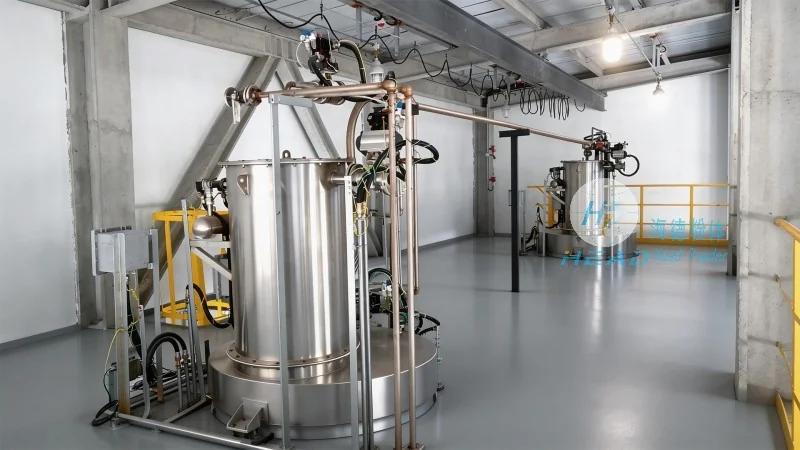
Key Components of As2O3 Pneumatic Conveying Systems
The As2O3 pneumatic conveying system typically consists of several core components that work in tandem to facilitate the transport of the material. These components are designed to handle the unique properties of arsenic trioxide, including its potential toxicity and the need for precise control over flow rates and pressure.
1. Hopper and Feeder
The system begins with a hopper, which serves as the storage and feeding unit for the As2O3. The hopper is designed to hold the material and provide a consistent feed to the conveying line. A feeder, often a rotary valve or a screw feeder, is integrated into the hopper to control the discharge rate of the material. This component ensures that the material is fed at a controlled rate, preventing overloading or underfeeding that could affect the conveying efficiency.
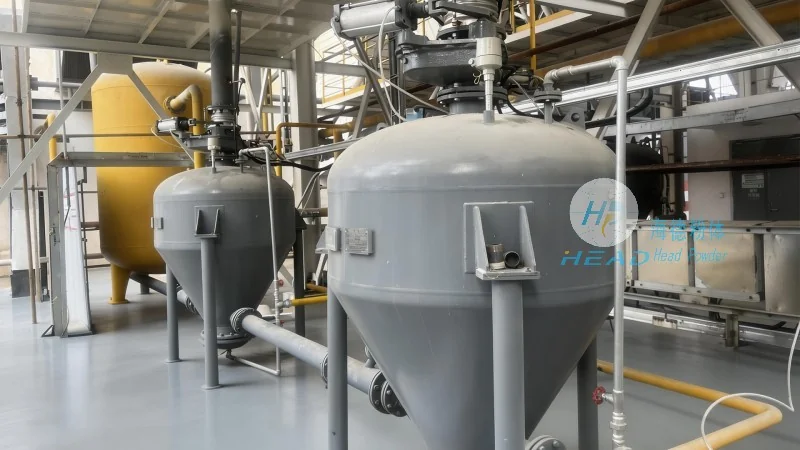
2. Conveying Line and Tubing
The conveying line is the central part of the system, responsible for transporting the As2O3 from the hopper to the destination. The tubing used in the system is typically made of materials that are resistant to corrosion and chemical reactions with arsenic trioxide, such as stainless steel or special plastic liners. The design of the tubing, including its diameter and length, is crucial for maintaining the proper air velocity and pressure to ensure the material is conveyed effectively without clogging or degradation.
3. Air Supply and Blower
The air supply system, which includes a blower or a fan, provides the necessary pressure and volume of air to move the As2O3 through the conveying line. The blower is responsible for generating the airflow that entrains the material particles and propels them along the tube. The selection of the blower is critical, as it must be capable of handling the specific air requirements of the system, including the pressure and flow rate needed to maintain the material in suspension.
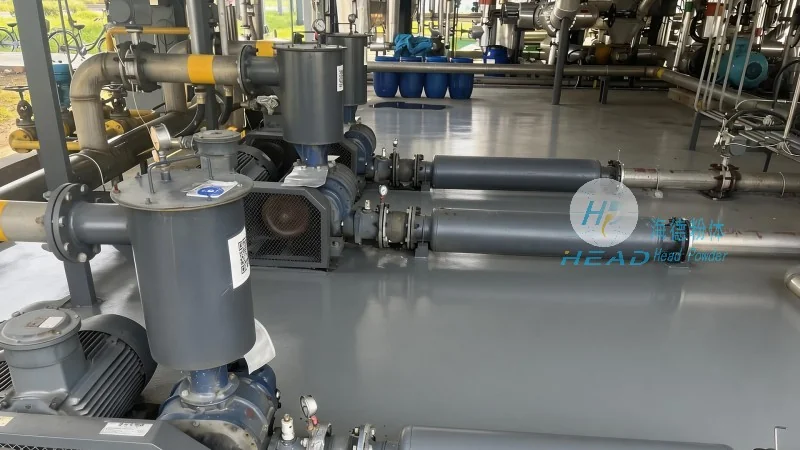
4. Control Valves and Regulators
Control valves and pressure regulators are essential components that manage the airflow and pressure within the system. These devices allow operators to adjust the conveying rate and pressure as needed, ensuring that the system operates within safe and efficient parameters. The control valves can be automated or manually operated, providing flexibility in controlling the material flow and preventing overpressure or underpressure conditions that could lead to system failures or material loss.
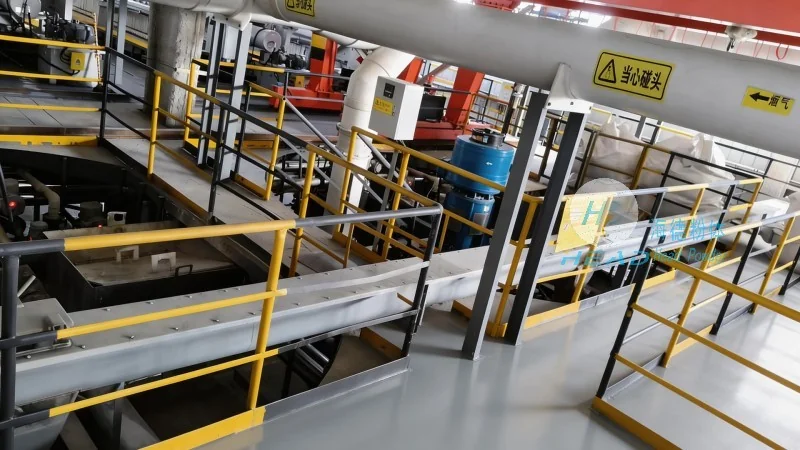
5. Dust Collection and Filtration
Due to the fine nature of As2O3 particles, dust collection and filtration systems are integral to the pneumatic conveying process. These components are designed to capture any airborne particles that may escape the conveying line, ensuring that the material is contained and preventing environmental contamination. The filtration system typically includes a baghouse or a cartridge filter, which effectively removes dust from the exhaust air, making the system compliant with environmental regulations and ensuring workplace safety.
6. Safety and Monitoring Systems
Given the toxic nature of arsenic trioxide, safety and monitoring systems are a critical part of the pneumatic conveying system. These systems include pressure sensors, flow meters, and alarms that monitor the system's performance and alert operators to any abnormalities. Additionally, safety interlocks and emergency shut-off valves are installed to prevent accidents and protect personnel from exposure to the material. The monitoring and safety features are essential for maintaining the integrity of the system and ensuring that it operates in a safe and compliant manner.