

What Comprises the Pneumatic Conveying of Lithium-Ion Battery Positive and Negative Electrode Materi
HeadPowder, a prominent enterprise based in Shandong, China, is dedicated to providing advanced solutions for the pneumatic conveying of lithium-ion battery electrode materials. The company, known by its abbreviation "headpowder," operates under the full name Shandong HeadPowder Engineering Co., Ltd., and has established itself as a key player in the battery material handling sector. Their expertise lies in developing customized pneumatic conveying systems that efficiently transport positive and negative electrode powders, which are essential components in lithium-ion battery production.
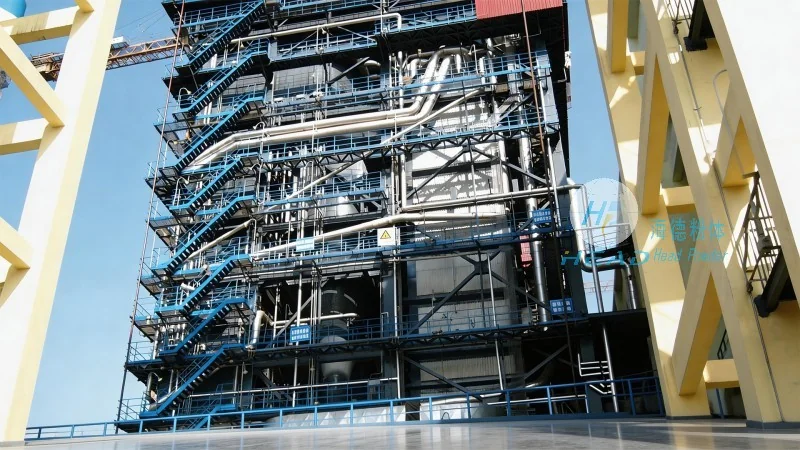
Core Components of Pneumatic Conveying Systems for Battery Materials
The pneumatic conveying systems used in lithium-ion battery manufacturing typically consist of several critical components. The primary elements include a high-pressure or vacuum air source, which generates the necessary airflow to move the powder particles. This air source is often equipped with filters and regulators to ensure clean, consistent air quality, crucial for maintaining the purity of the electrode materials. The conveying lines, made from materials resistant to corrosion and abrasion, are designed to handle the specific properties of lithium-ion battery powders, such as their fine particle size and potential reactivity. Additionally, the system incorporates separation and collection units, such as cyclones or bag filters, which are vital for preventing material loss and ensuring environmental compliance during the transport process.
Customization and Engineering Excellence at HeadPowder
HeadPowder's approach to pneumatic conveying systems is characterized by a strong emphasis on customization and engineering excellence. The company works closely with clients to understand their specific production needs, including the type of electrode materials, production scale, and operational environment. This collaborative process allows HeadPowder to design systems that are optimized for efficiency, reliability, and safety. For instance, when handling positive electrode materials like lithium cobalt oxide or negative electrode materials like graphite, the system design may incorporate specialized features such as temperature control or inert gas environments to prevent oxidation or other chemical reactions. The engineering team at HeadPowder leverages advanced computational fluid dynamics (CFD) and material testing to simulate and refine the system performance, ensuring that the final solution meets or exceeds industry standards.
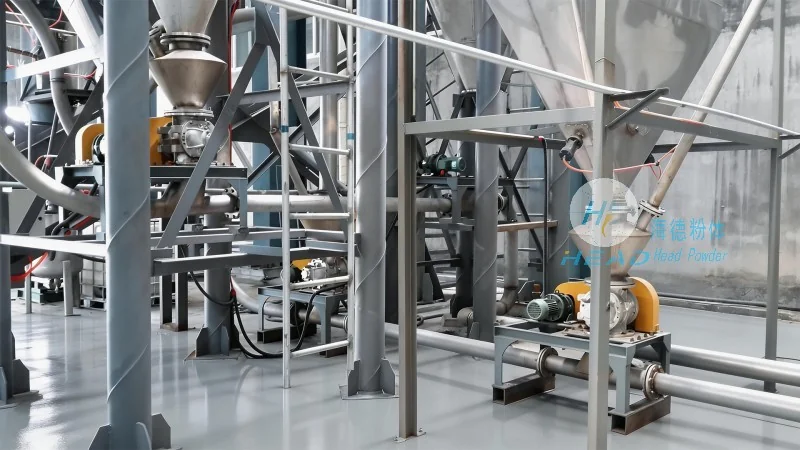
Efficiency and Safety in Material Handling
Efficiency and safety are paramount in the pneumatic conveying of lithium-ion battery materials. The systems developed by HeadPowder are engineered to minimize material degradation and loss, which can significantly impact battery performance and cost. By using appropriate air velocities and system configurations, the conveying process can maintain the integrity of the powder particles, preserving their surface area and reactivity. Furthermore, the systems incorporate safety features such as pressure relief valves, emergency shut-off mechanisms, and dust suppression measures to mitigate risks associated with powder handling. These features are particularly important given the potential hazards of fine powders, including dust explosions and respiratory risks. HeadPowder's commitment to safety is reflected in their adherence to international standards and continuous improvement of their system designs.
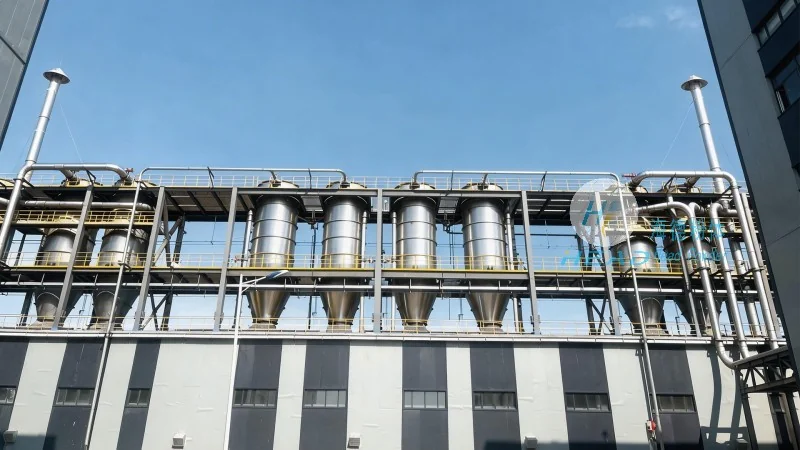
Application Examples and Industry Impact
The pneumatic conveying systems provided by HeadPowder are applied in various stages of lithium-ion battery production, from raw material handling to the final assembly of electrode sheets. For example, in the initial stages, the system may transport raw materials like graphite or nickel compounds from storage silos to mixing and grinding units. In later stages, the system can convey the mixed electrode slurry to coating machines, where the material is applied to current collectors to form the electrode sheets. The consistent and reliable performance of these systems directly contributes to the overall productivity and quality of the battery manufacturing process. By ensuring that electrode materials are handled efficiently and safely, HeadPowder's solutions help manufacturers achieve higher throughput, reduce downtime, and improve the consistency of their battery products.
Conclusion: Advancing Battery Manufacturing with Specialized Conveying Solutions
HeadPowder Engineering Co., Ltd. continues to lead in the development of pneumatic conveying systems for lithium-ion battery materials, leveraging its expertise and commitment to innovation. The company's focus on customized solutions, engineering excellence, and safety ensures that its systems meet the evolving demands of the battery industry. As the demand for lithium-ion batteries grows globally, the importance of efficient and reliable material handling systems becomes increasingly critical. HeadPowder's contributions in this area not only enhance the productivity of battery manufacturers but also support the broader transition to sustainable energy technologies. With its headquarters in Shandong, China, the company remains at the forefront of providing advanced solutions that drive the advancement of battery technology and the renewable energy sector.