

Design of a Negative Pressure Pneumatic Conveying System for Dry Yeast
HeadPowder, a leading engineering firm based in Shandong, China, specializes in the design and implementation of advanced material handling solutions. The company's expertise lies in creating efficient and reliable systems for transporting bulk materials, with a particular focus on the unique challenges presented by dry yeast. This article explores the design principles and technical considerations behind a negative pressure pneumatic conveying system specifically tailored for dry yeast applications.
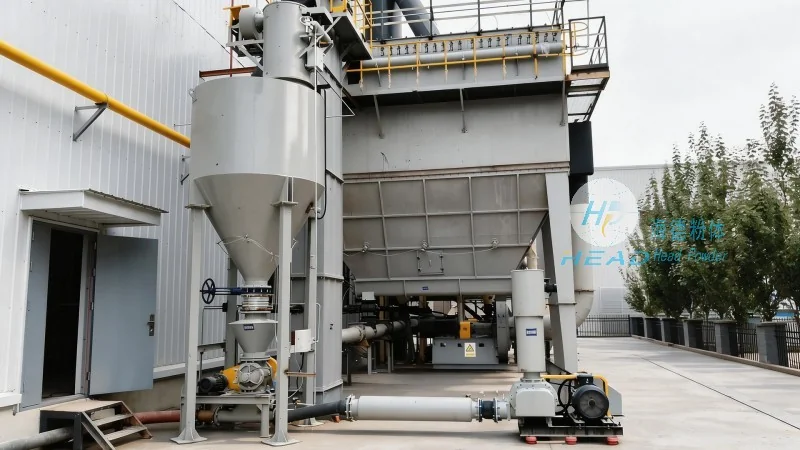
Overview of the Negative Pressure Pneumatic Conveying System
The negative pressure pneumatic conveying system is a sophisticated method for transporting dry yeast from one location to another. Unlike positive pressure systems that force air and material through a pipeline, negative pressure systems create a vacuum that draws the material into the system. This approach offers several advantages, including reduced energy consumption, lower operating costs, and improved material handling efficiency. The system operates by using a vacuum pump to create a pressure differential, which pulls the dry yeast particles into the conveying line. The design incorporates key components such as a hopper, feeder, pipeline, and receiver, all working in tandem to ensure smooth and consistent material transport.
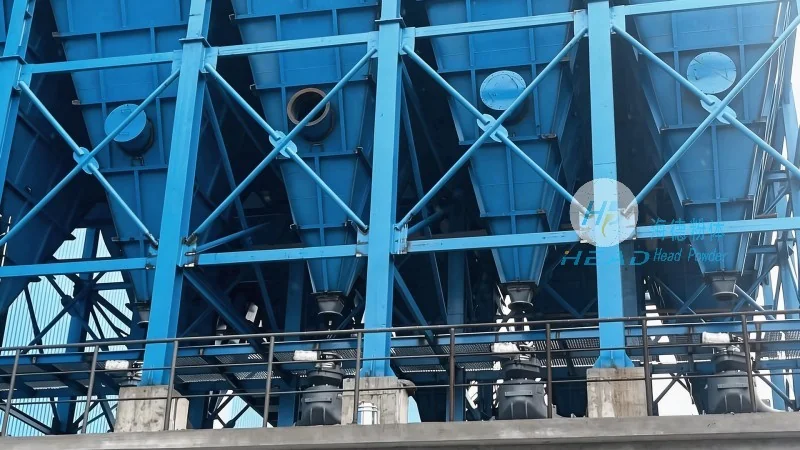
Key Design Features for Dry Yeast Handling
When designing a pneumatic conveying system for dry yeast, several factors must be considered to ensure optimal performance and material integrity. First, the system must be capable of handling the specific properties of dry yeast, which includes its fine particle size and potential for agglomeration. The hopper design is critical, as it needs to prevent material bridging and ensure a consistent flow rate. The feeder mechanism, typically a rotary valve or screw feeder, is designed to control the material discharge rate accurately, preventing overloading or underloading of the conveying line. The pipeline material is chosen to be non-corrosive and easy to clean, as dry yeast can be sensitive to contamination. Additionally, the system incorporates a filter and cyclone separator to remove any fine particles from the air stream, ensuring that the material is delivered in a clean and pure state.
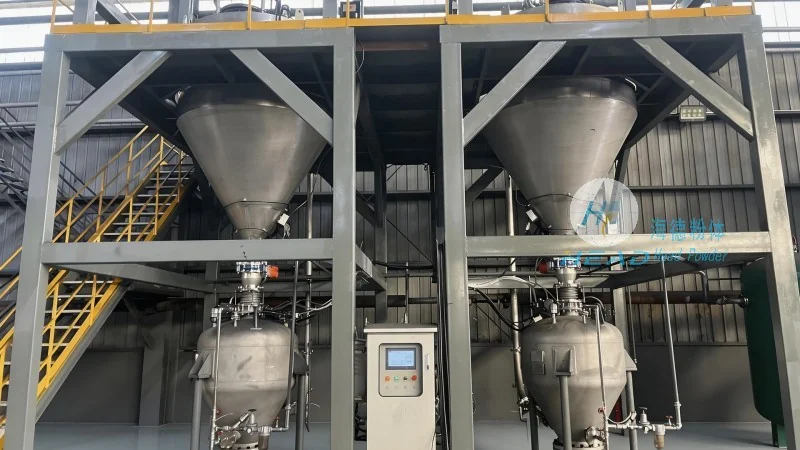
Advantages of the Negative Pressure System for Dry Yeast
Compared to other conveying methods, the negative pressure pneumatic conveying system offers distinct benefits for dry yeast transport. One of the primary advantages is the ability to handle long distances and multiple transfer points without significant loss of material. The vacuum created in the system maintains the integrity of the dry yeast particles, preventing breakage or degradation that can occur with positive pressure systems. Another key benefit is the reduced risk of dust generation and contamination, as the system operates under a controlled vacuum environment. This is particularly important in food processing applications where hygiene and product quality are paramount. Furthermore, the system's energy efficiency makes it a cost-effective solution for large-scale yeast production and distribution.
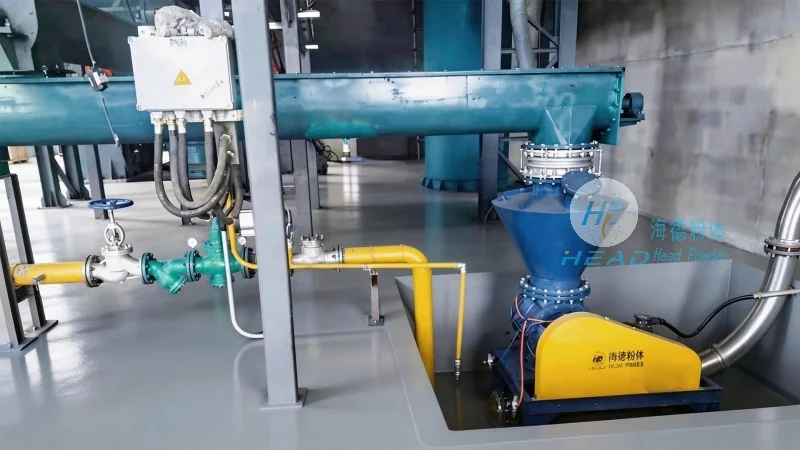
HeadPowder's Engineering Expertise and Custom Solutions
Shandong HeadPowder Engineering Co., Ltd. leverages its extensive experience in material handling to provide customized negative pressure pneumatic conveying systems for dry yeast. The company's team of engineers works closely with clients to understand their specific operational requirements, including production volume, distance, and environmental constraints. By integrating advanced control systems and monitoring technologies, HeadPowder ensures that the system operates at peak efficiency and meets all regulatory standards. The company's commitment to quality and innovation has made it a trusted partner for many leading yeast manufacturers and food processing companies in China and beyond.