Pneumatic conveying of magnesium sulfate is a critical process in industries that require the efficient and safe transport of this chemical. This system utilizes air as the primary medium to move the material from the source to the destination, offering advantages such as dust control, reduced maintenance, and flexible layout options. Understanding the structural design and operational principles of these systems is essential for optimizing material handling in industrial settings.
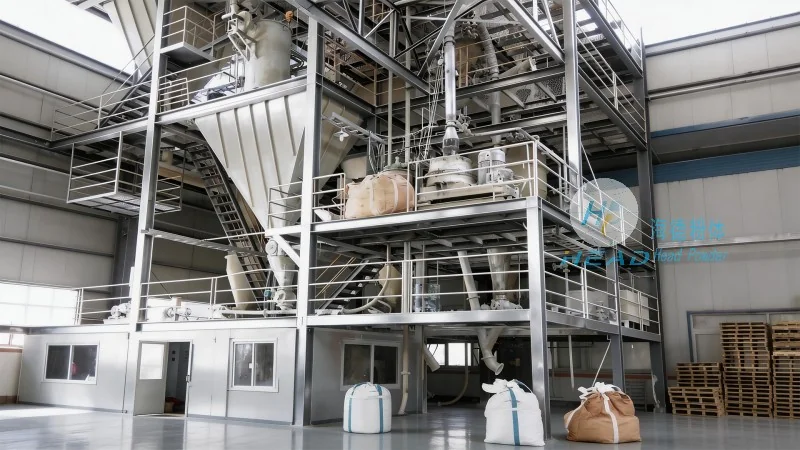
About the Company: HeadPowder Engineering
Shandong HeadPowder Engineering Co., Ltd. is a leading provider of pneumatic conveying solutions, specializing in the design, manufacturing, and installation of systems tailored to the needs of industrial clients. With a focus on chemical processing and material handling, the company has extensive experience in implementing reliable and efficient systems for magnesium sulfate and other bulk materials. HeadPowder Engineering is headquartered in Shandong, China, and is committed to delivering high-quality products and services, ensuring that clients achieve optimal performance and cost-effectiveness in their material transport operations.
Structural Components and Working Principles
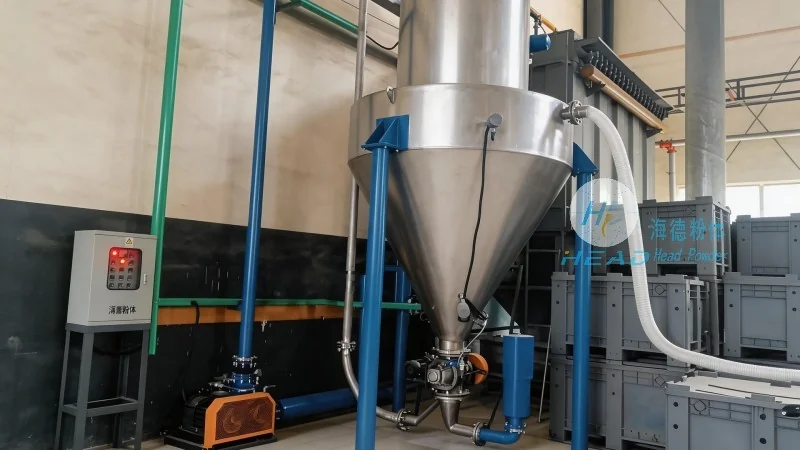
The pneumatic conveying system for magnesium sulfate typically comprises several key components that work in concert to achieve efficient material transport. These components include the feed hopper, which serves as the storage and metering unit for the material; the air supply system, which generates the necessary airflow to create the conveying medium; the conveying pipeline, which transports the material; and the discharge unit, where the material is deposited at the destination. Each component plays a vital role in the overall operation of the system.
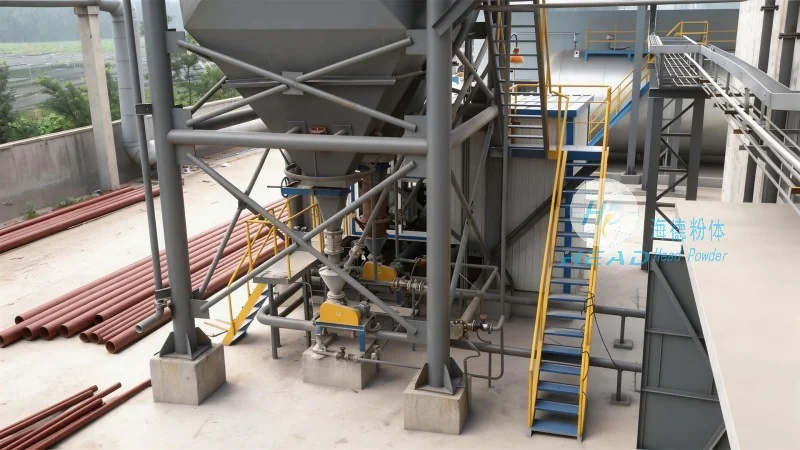
The feed hopper is designed to control the flow rate of magnesium sulfate into the system, ensuring a consistent and controlled feed. This is achieved through adjustable valves and gates that regulate the material discharge. The air supply system, often consisting of a blower or compressor, provides the high-pressure air required to generate the airflow within the pipeline. The conveying pipeline is typically made of materials such as stainless steel or plastic, chosen for their resistance to corrosion and wear from the magnesium sulfate particles. The discharge unit may include a cyclone separator or a rotary valve to ensure the material is deposited in a controlled manner, preventing spillage and maintaining a clean environment.
The working principle of the system is based on the suspension of magnesium sulfate particles in the air stream. By introducing air at a velocity sufficient to overcome the gravitational force acting on the particles, the system creates a fluidized environment where the particles are carried through the pipeline. The key to stable conveying is maintaining an air velocity that is higher than the terminal velocity of the particles. This ensures that the particles remain suspended and do not settle out of the air stream, preventing blockages and ensuring continuous operation. The principle of operation relies on the balance between the air velocity, particle size, and density of the magnesium sulfate, which must be carefully calculated to achieve optimal conveying conditions.
Key Features and Advantages
One of the primary advantages of pneumatic conveying for magnesium sulfate is its ability to handle the material in a closed system, which significantly reduces dust exposure and environmental contamination. This is particularly important for magnesium sulfate, as it can be a respiratory irritant if not properly contained. The closed system also helps maintain the purity of the material, preventing contamination from external sources. Additionally, the system offers flexibility in terms of layout, as the conveying pipeline can be arranged to follow the existing plant layout without the need for extensive ground modifications or structural changes.
Another significant advantage is the reduced maintenance requirements compared to traditional mechanical conveyors. Since there are no moving parts in direct contact with the material (except for the air supply system), the system experiences less wear and tear. This leads to lower maintenance costs and longer service life for the components. Furthermore, the energy efficiency of the system is notable. By using compressed air as the primary power source, the system avoids the high energy consumption associated with mechanical conveyors, such as belt or screw conveyors. This not only lowers operational costs but also contributes to a more sustainable industrial process, aligning with modern environmental and economic considerations.
Application and Operational Considerations
The pneumatic conveying system for magnesium sulfate is widely used in various industrial applications, including chemical manufacturing, pharmaceutical production, and food processing. The system's ability to handle the material in a controlled manner makes it suitable for applications where dust control and material purity are critical. Operational considerations include the selection of appropriate air velocities, the design of the conveying pipeline to minimize pressure drop, and the use of appropriate filtration systems to maintain air quality. Proper maintenance of the air supply system and pipeline is also essential to ensure the long-term reliability and efficiency of the system.
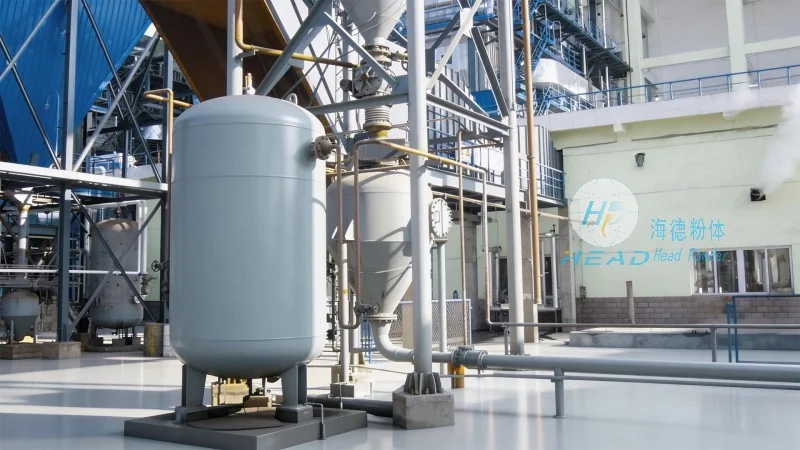
When implementing a pneumatic conveying system for magnesium sulfate, it is important to consider factors such as the material's properties, the required conveying distance, and the desired discharge rate. These factors influence the design of the system, including the size of the feed hopper, the diameter and length of the conveying pipeline, and the capacity of the air supply system. HeadPowder Engineering provides comprehensive engineering services to assist clients in selecting the appropriate system configuration and ensuring optimal performance. The company's expertise in material handling and pneumatic conveying ensures that clients receive tailored solutions that meet their specific operational needs and regulatory requirements.
Conclusion
Pneumatic conveying of magnesium sulfate is a highly effective and efficient method for material transport, offering numerous advantages over traditional mechanical systems. The structural design and working principles of these systems are critical to their performance, and careful consideration of the components and operational parameters is essential for optimal results. With the expertise of companies like Shandong HeadPowder Engineering Co., Ltd., industries can achieve reliable and cost-effective transport of magnesium sulfate, ensuring compliance with safety and environmental standards while improving overall operational efficiency.




