Pneumatic conveying is a widely used method for transporting bulk materials, including small stones and granular solids, through a pipeline using air or gas as the conveying medium. This technology offers several advantages over traditional mechanical conveying systems, such as reduced equipment wear, lower maintenance costs, and the ability to handle materials that are difficult to transport by other means. For industries dealing with small stone materials, like construction aggregates, mining products, or industrial minerals, pneumatic conveying provides an efficient and reliable solution to move these materials from one location to another.
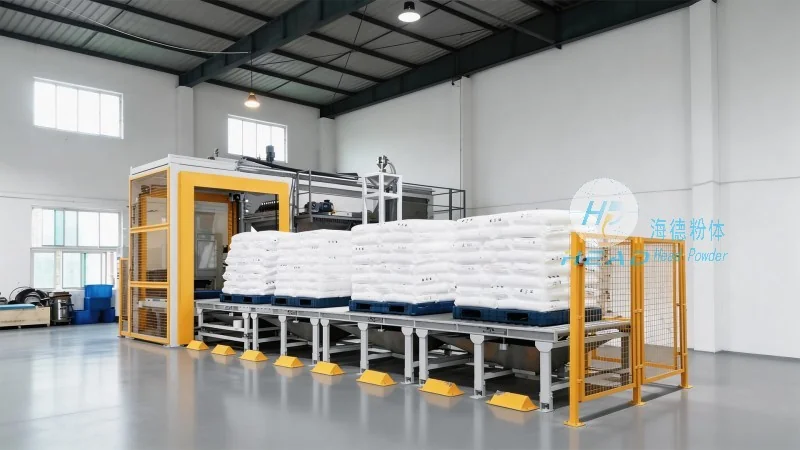
Structural Principles of Pneumatic Conveying Systems
The core of a pneumatic conveying system for small stones consists of several key components that work together to ensure effective material transport. The primary components include a hopper or feed device to introduce the material into the system, a blower or compressor to generate the air flow, a pipeline network to carry both the material and air, and a receiver or discharge unit to collect the conveyed material. The design of these components is critical to the system's performance, especially when handling small stone particles that may vary in size, density, and moisture content.
In the case of small stone pneumatic conveying, the system must be engineered to handle the specific characteristics of the material. For instance, the hopper design may incorporate a feeding mechanism that prevents material bridging or segregation, which are common issues in bulk material handling. The blower or compressor must provide sufficient air pressure and volume to overcome the resistance of the material in the pipeline, ensuring that the small stones are entrained and transported efficiently. The pipeline itself is typically made of durable materials like stainless steel or high-density polyethylene to withstand the abrasive nature of small stones and the internal pressure of the conveying air.
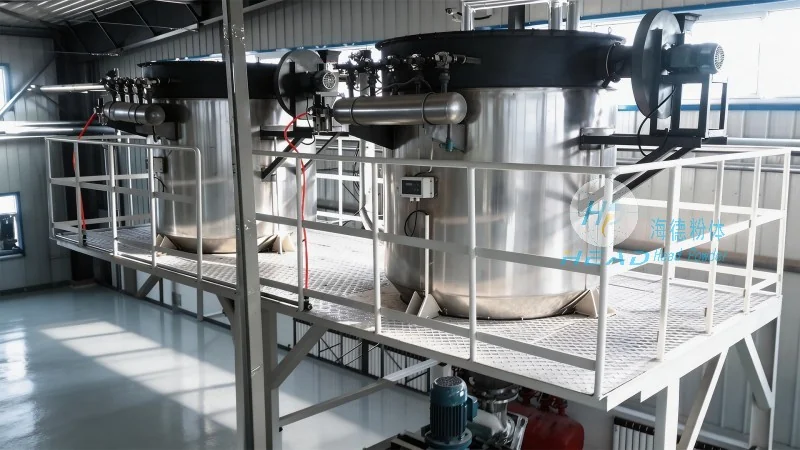
Company Overview: Shandong HeadPowder Engineering Co., Ltd.
HeadPowder, or Shandong HeadPowder Engineering Co., Ltd., is a professional manufacturer and supplier of pneumatic conveying equipment and systems, specializing in solutions tailored for small stone and bulk material transport. With a focus on innovation and quality, the company has developed advanced pneumatic conveying technologies that address the unique challenges of handling small stone materials in various industrial applications. HeadPowder's expertise lies in designing customized systems that meet the specific requirements of clients, ensuring optimal performance, efficiency, and reliability.
The company's headquarters is located in Shandong, China, where it operates a state-of-the-art manufacturing facility equipped with modern production lines and quality control systems. This infrastructure enables HeadPowder to produce high-quality pneumatic conveying equipment that adheres to international standards and meets the diverse needs of the global market. By leveraging its technical expertise and manufacturing capabilities, HeadPowder provides comprehensive solutions for small stone pneumatic conveying, from system design and installation to after-sales support and maintenance.
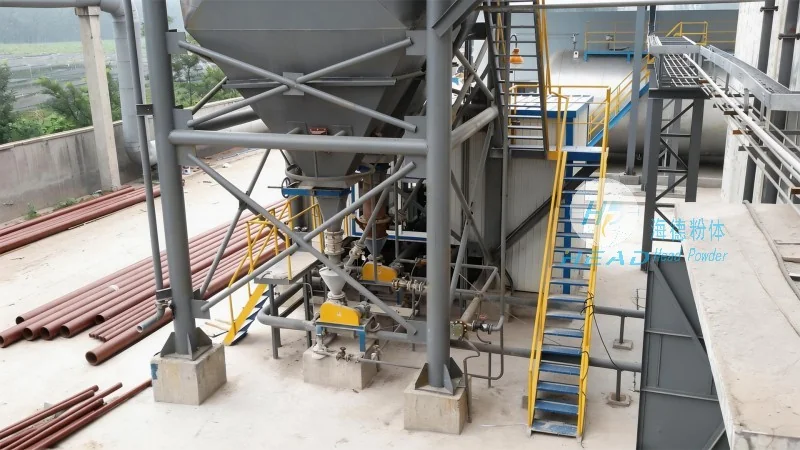
Key Features and Benefits of Small Stone Pneumatic Conveying
When considering the use of pneumatic conveying for small stone materials, several key features and benefits stand out. First, the system offers a dust-free operation, which is crucial for maintaining a clean and safe working environment, especially in industries where dust control is a regulatory requirement. Unlike mechanical conveyors, which can generate significant dust and require additional dust suppression measures, pneumatic conveying systems minimize airborne particles, reducing the risk of respiratory issues and contamination.
Second, the technology provides high efficiency in material transport, with the ability to move small stones over long distances with minimal energy consumption. The air flow in the pipeline can be precisely controlled to optimize the conveying rate, ensuring that the system operates at peak efficiency under varying load conditions. This efficiency translates into cost savings for businesses, as less energy is required to transport the material compared to traditional methods.
Third, pneumatic conveying systems are flexible and adaptable to different production layouts. The pipeline network can be easily reconfigured or expanded to accommodate changes in production volume or material handling requirements. This flexibility makes the system suitable for both new installations and retrofitting existing facilities, allowing businesses to upgrade their material handling capabilities without major disruptions.
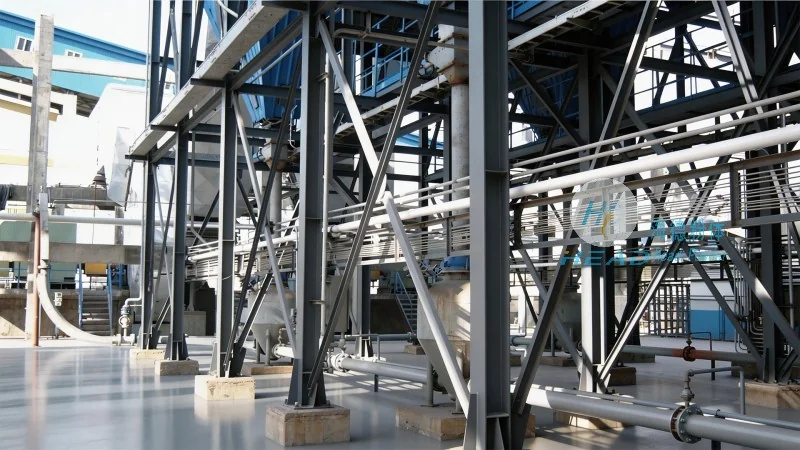
Application Examples in the Industry
Small stone pneumatic conveying systems are widely used in various industries that rely on the transport of bulk materials. In the construction industry, for example, these systems are used to move aggregates such as crushed stone, sand, and gravel from storage silos to mixing plants or construction sites. The ability to convey these materials efficiently and without dust helps improve the quality of concrete and other building materials. In the mining industry, pneumatic conveying is used to transport ore and other minerals from processing plants to storage or shipping facilities, ensuring a continuous and safe material flow.
In the chemical and food processing industries, small stone materials may be used as raw materials or additives. Pneumatic conveying systems provide a hygienic and contamination-free method of moving these materials, which is essential for maintaining product quality and meeting regulatory standards. Additionally, in the agricultural sector, small stone particles may be used as soil amendments or for other purposes, and pneumatic conveying can help transport these materials from storage to application sites.




