HeadPowder, a professional engineering company based in Shandong, China, specializes in the design and implementation of pneumatic conveying systems tailored for lithium-ion battery production. This article provides a comprehensive overview of the technology, focusing on its structural components and operational principles to help industry professionals understand the critical role of efficient material handling in battery manufacturing processes.
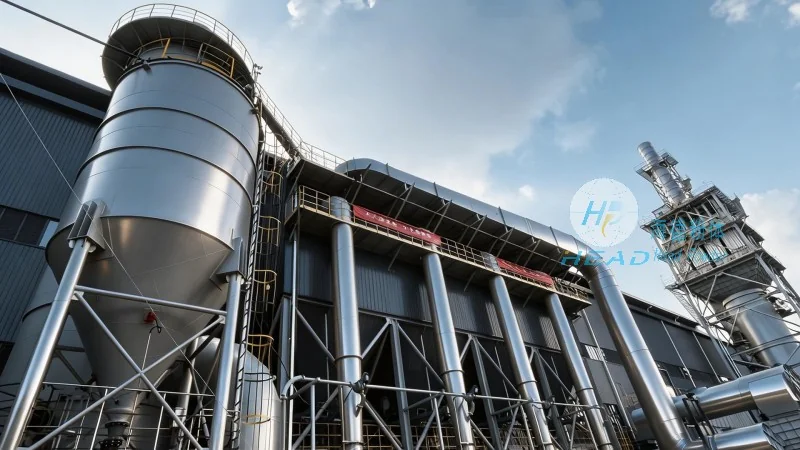
The pneumatic conveying system for lithium-ion batteries is a sophisticated mechanism that facilitates the transport of raw materials, intermediate products, and finished components within the battery production line. At the core of this system is the ability to move powders and granules in a controlled manner, ensuring minimal product degradation and maintaining high purity standards essential for battery performance. The system typically integrates several key components, each playing a vital role in the overall operation.
Firstly, the material feed system is crucial for introducing raw materials into the conveying line. This component may include hoppers, feeders, and dosing mechanisms that regulate the flow rate of materials such as lithium compounds, graphite, and other battery active materials. The design of the feed system must ensure consistent and uniform material input to prevent blockages or uneven flow, which could compromise the quality of the final battery product.
Secondly, the conveying pipeline is the backbone of the pneumatic system. It consists of a network of pipes, often made from materials like stainless steel or specialized polymers, that transport the material under pressure. The pipeline design considers factors such as material compatibility, pressure resistance, and the need for minimal friction to maintain material integrity. In lithium-ion battery production, the conveying lines must be carefully engineered to avoid contamination and ensure that sensitive materials are handled under controlled conditions.
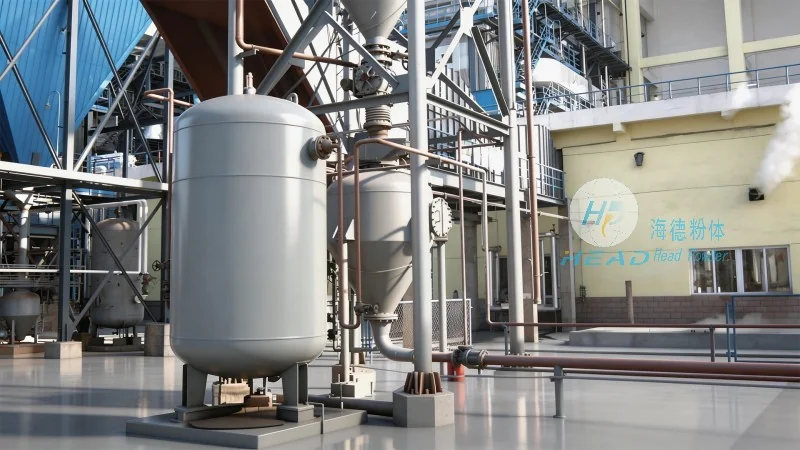
Thirdly, the air supply system provides the necessary force to move materials through the pipeline. This typically involves a blower or compressor that generates the air pressure required for conveying. The air system must be equipped with filters and moisture control devices to maintain air quality, as contaminants in the air can affect the purity of the battery materials. Proper air management is essential to prevent dust accumulation and ensure the longevity of the conveying equipment.
Fourthly, the control and monitoring system oversees the entire operation, ensuring that the conveying process runs smoothly and efficiently. This system includes sensors, valves, and control panels that monitor parameters such as pressure, flow rate, and material level. Real-time monitoring allows operators to detect and address issues promptly, minimizing downtime and maintaining product quality. The control system may also integrate automation features to optimize the conveying process based on production demands.
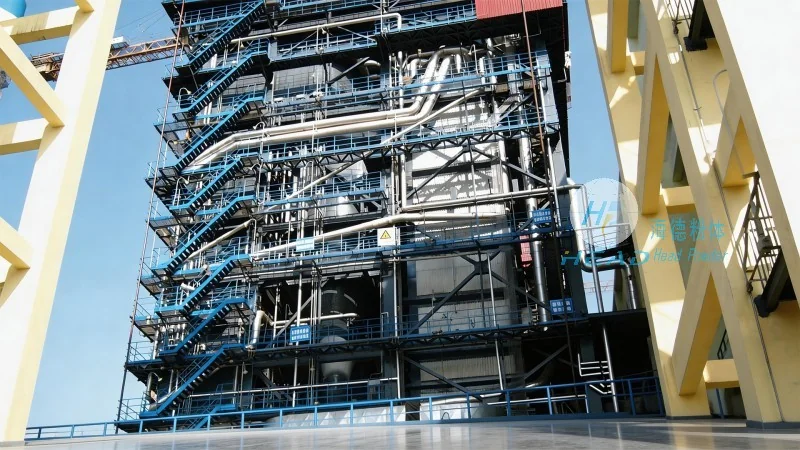
Finally, the material discharge system is responsible for delivering the conveyed materials to the next stage of the battery production process. This may involve hoppers, chutes, or other equipment that safely and accurately deposit the material into processing units or storage areas. The discharge system must be designed to prevent material spillage and ensure that the material is delivered in the correct quantity and condition.
Understanding the structure and principles of lithium-ion battery pneumatic conveying is essential for optimizing battery manufacturing operations. The integration of advanced engineering and precise control systems enables manufacturers to achieve high efficiency, reduce costs, and maintain the quality standards required for modern lithium-ion batteries. As the demand for lithium-ion batteries continues to grow, the importance of reliable and efficient material handling systems like pneumatic conveying cannot be overstated.
HeadPowder, with its expertise in engineering and manufacturing, offers tailored solutions for lithium-ion battery pneumatic conveying systems. By leveraging years of experience and cutting-edge technology, the company provides customized systems that meet the specific needs of battery manufacturers. The company's commitment to quality and innovation ensures that its clients receive reliable and efficient equipment that enhances their production capabilities. Based in Shandong, China, HeadPowder serves the global battery industry with professional engineering services and high-quality products.




