HeadPowder, a leading enterprise in the field of material handling solutions, specializes in the design and implementation of pneumatic conveying systems tailored for rubber powder applications. This article provides a comprehensive overview of rubber powder pneumatic conveying, focusing on its structural components and operational principles to help clients understand the technology's capabilities and benefits.
Company Overview and Expertise
Shandong HeadPowder Engineering Co., Ltd., commonly known as HeadPowder, is a professional manufacturer and supplier dedicated to providing high-quality pneumatic conveying equipment. With a strong presence in China, particularly in Shandong province, the company leverages decades of industry experience to deliver reliable solutions for handling rubber powders efficiently and safely. HeadPowder's commitment to innovation and customer satisfaction has established it as a trusted partner in the material handling sector.
What is Rubber Powder Pneumatic Conveying?
Rubber powder pneumatic conveying is a method of transporting rubber powder through a pipeline using compressed air or other gas as the conveying medium. Unlike traditional mechanical conveying systems, this technology eliminates the need for moving parts in the conveying line, reducing maintenance requirements and enhancing operational safety. The process involves feeding the rubber powder into a hopper, where it is then drawn into the pipeline by the pressure differential created by the air flow. This method is particularly advantageous for handling abrasive or dusty materials like rubber powder, as it minimizes material degradation and contamination.
Key Structural Components of a Pneumatic Conveying System
A typical rubber powder pneumatic conveying system consists of several critical components that work in tandem to ensure efficient material transport. The main structural elements include:
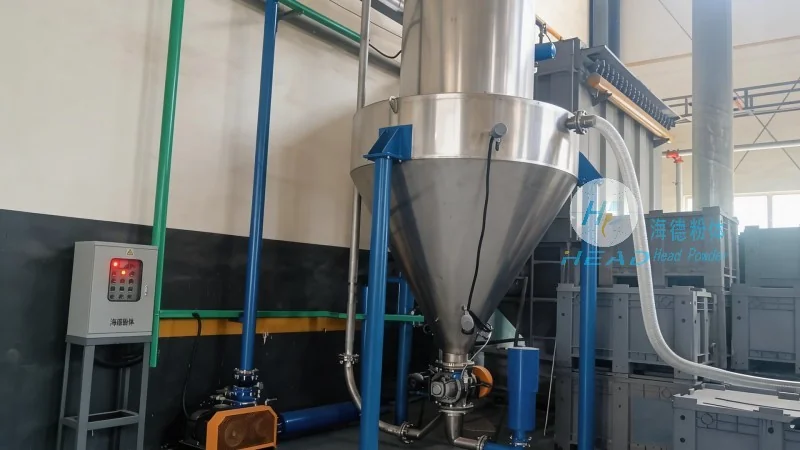
- Feeding Hopper: The hopper is the initial component where rubber powder is stored and fed into the system. It is designed to maintain a consistent material level and provide a smooth flow into the conveying line. The hopper may include features such as a rotary valve or a gate valve to control the discharge rate.
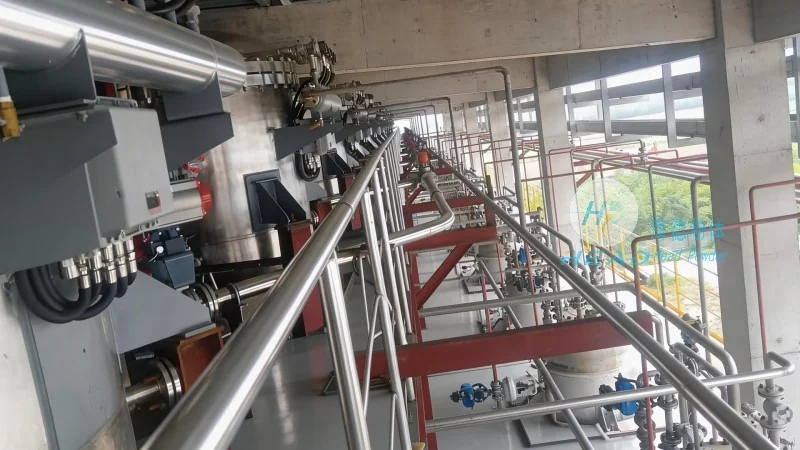
- Conveying Pipeline: The pipeline is the primary channel through which rubber powder is transported. It is typically made of corrosion-resistant materials like stainless steel or plastic to withstand the abrasive nature of rubber powder. The pipeline is equipped with bends, elbows, and straight sections to guide the material to the destination point. Proper sizing of the pipeline is crucial to maintain the required air velocity for effective conveying.
- Air Supply System: The air supply system generates the necessary pressure and flow of air to move the rubber powder. This includes a compressor, air filter, and regulator. The compressor provides the high-pressure air, while the filter and regulator ensure the air is clean and at the correct pressure to prevent system damage and maintain conveying efficiency.
- Control Valves and Regulators: These components are used to regulate the flow of air and material within the system. Control valves can adjust the air pressure and flow rate, while regulators maintain a consistent pressure to ensure stable conveying. This allows for precise control over the material handling process, adapting to varying production demands.
- Receiving Hopper or Discharge Point: The receiving hopper or discharge point is where the rubber powder is deposited at the end of the conveying line. It may include a rotary valve or a discharge chute to control the material flow into the final storage or processing unit. Proper design of the receiving hopper prevents material buildup and ensures smooth discharge.
Operational Principle of Rubber Powder Pneumatic Conveying
The operational principle of rubber powder pneumatic conveying is based on the interaction between the rubber powder particles and the air flow within the pipeline. When compressed air is introduced into the conveying line, it creates a low-pressure zone that draws the rubber powder particles into the air stream. The air velocity must be sufficient to overcome the gravitational force and the friction between the particles and the pipeline walls, ensuring that the material remains suspended and moves along the pipeline. The key to efficient conveying is maintaining an appropriate air-to-material ratio, which balances the energy consumption with the conveying capacity.
Advantages of Rubber Powder Pneumatic Conveying
Compared to traditional mechanical conveying methods, rubber powder pneumatic conveying offers several advantages that make it a preferred choice for many industries. These benefits include:
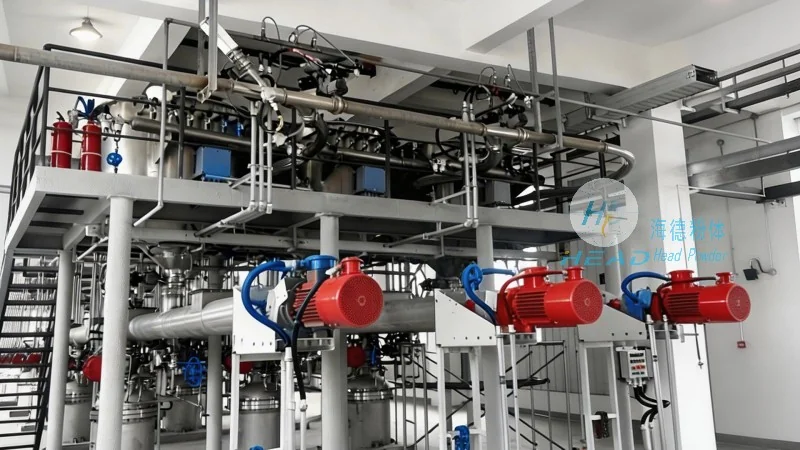
- Reduced Maintenance: As the system relies on a minimal number of moving parts, maintenance requirements are significantly lower. This reduces downtime and operational costs, making the system more cost-effective in the long run.
- Enhanced Safety: The absence of moving parts in the conveying line minimizes the risk of mechanical failure and material spillage. This improves workplace safety and compliance with environmental regulations.
- Improved Material Quality: Pneumatic conveying prevents material degradation and contamination, as the material is not subjected to friction or abrasion from mechanical components. This ensures that the rubber powder maintains its quality and properties throughout the conveying process.
- Flexibility and Scalability: The system can be easily modified or expanded to accommodate changing production volumes or material types. This flexibility allows businesses to adapt to evolving operational needs without significant capital investment.
- Space Efficiency: Pneumatic conveying systems can be installed in compact spaces, as the pipeline can be routed vertically or horizontally to fit the available area. This is particularly beneficial for facilities with limited floor space.
Applications of Rubber Powder Pneumatic Conveying
Rubber powder pneumatic conveying is widely used in various industries that handle rubber powders, including:
- Automotive Industry: For transporting rubber powders used in tire manufacturing and other automotive components.
- Construction Materials: For conveying rubber powder additives used in concrete and asphalt production.
- Plastic and Rubber Manufacturing: For handling rubber powders used as raw materials in the production of plastic and rubber products.
- Food and Beverage Industry: For transporting rubber powder-based additives or fillers in food processing.
- Environmental and Waste Management: For conveying rubber powder from recycling facilities to processing plants.
Conclusion
HeadPowder's expertise in rubber powder pneumatic conveying systems provides businesses with a reliable and efficient solution for handling rubber powders. By understanding the structural components and operational principles of this technology, companies can optimize their material handling processes, improve productivity, and enhance overall operational efficiency. With a strong commitment to quality and customer satisfaction, Shandong HeadPowder Engineering Co., Ltd. continues to be a leading provider of pneumatic conveying solutions tailored to the unique needs of the rubber powder industry.




