Centralized feeding pneumatic conveying systems represent a sophisticated approach to material handling, designed to efficiently transport bulk materials from multiple sources to a central processing or storage point. This technology is widely adopted in industries such as food processing, pharmaceuticals, and chemical manufacturing, where maintaining product integrity and operational efficiency is paramount. The system's design integrates various components that work in tandem to ensure reliable and consistent material flow, and is offered by Shandong HeadPowder Engineering Co., Ltd., a leading provider in the field.
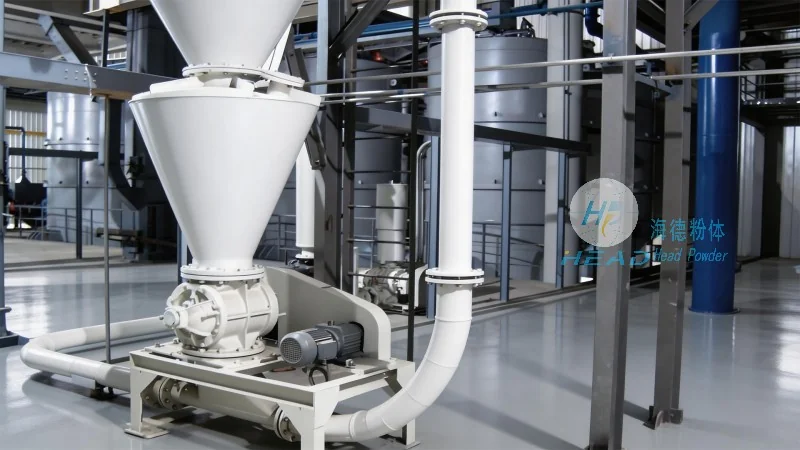
Structural Components and Working Principles
The core structure of a centralized feeding pneumatic conveying system comprises several key elements. At the heart of the system is the feeding mechanism, which can include hoppers, rotary valves, or vibratory feeders, responsible for delivering material from individual sources into the conveying line. The material is then introduced into a pipeline system, where it is propelled by a controlled flow of air or other gas. The gas source, typically a blower or compressor, generates the necessary pressure to move the material through the pipeline. The system may incorporate various sections, such as horizontal, vertical, or inclined pipelines, to accommodate the layout of the facility, ensuring flexibility in installation and operation.
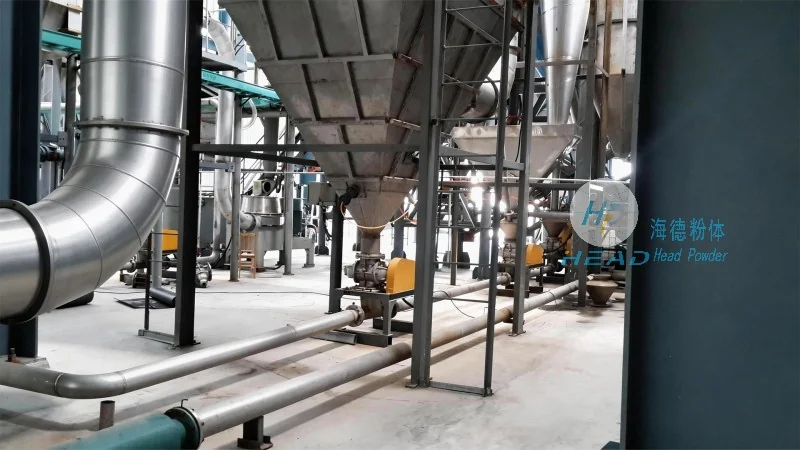
Key Functional Elements
Within the structural framework, several functional components contribute to the system's effectiveness. The separation and collection units are critical for processing the material after it has been conveyed. These units may include cyclones, filters, or baghouses, which separate the conveyed material from the air stream and collect it in designated containers, preventing dust and particulate matter from escaping into the environment. Additionally, the system may include control panels and monitoring equipment to regulate pressure, flow rates, and other operational parameters, ensuring optimal performance and safety. Sensors and alarms may also be integrated to detect blockages or pressure drops, allowing for immediate intervention and preventing system damage.
Advantages of Centralized Feeding Systems
Implementing a centralized feeding pneumatic conveying system offers numerous benefits for industrial operations. By consolidating material handling from multiple points into a single, centralized system, businesses can achieve significant improvements in efficiency and cost reduction. The system minimizes the need for manual handling and reduces the risk of material contamination, which is particularly important in industries with strict quality standards, such as food and pharmaceuticals. Furthermore, the modular design allows for scalability, enabling businesses to expand their material handling capabilities as their operations grow, without the need for major system overhauls.
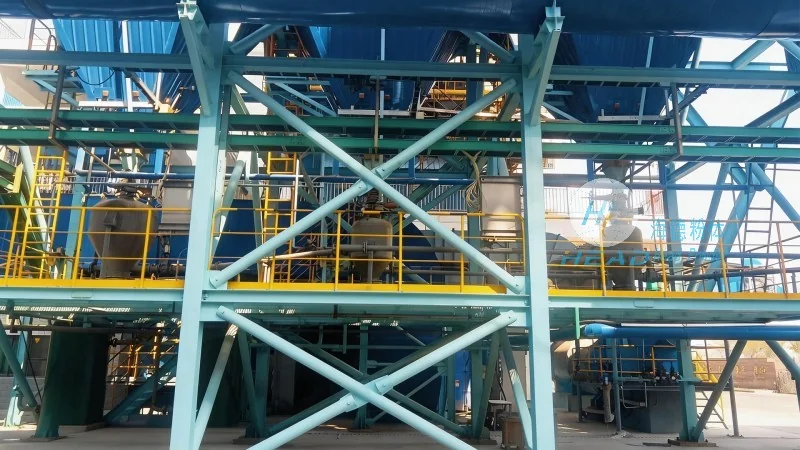
Application Examples
Centralized feeding pneumatic conveying systems are applied in diverse industrial settings. For instance, in a food processing plant, the system can transport raw ingredients like flour, sugar, or spices from storage silos to production lines, ensuring a continuous and hygienic supply of materials. In a pharmaceutical facility, the system can handle sensitive powders, maintaining the integrity of the product while adhering to stringent regulatory requirements, such as those from the FDA. Similarly, in chemical manufacturing, the system can transport various powders and granules, supporting the production of chemicals and other products, where consistent material flow is essential for process stability.




