

Operation Process and Working Principle of Fiber Material Conveying Lines
Fiber material conveying lines are critical in industrial settings where bulk fiber materials are processed, such as in textile manufacturing, paper production, and composite material fabrication. These systems are designed to efficiently transport fiber materials from one processing stage to another, ensuring smooth workflow and minimizing material loss. The operation of a fiber material conveying line involves a combination of mechanical components, control systems, and operational protocols that work in tandem to achieve reliable and consistent performance. Understanding the operation process and working principle of these lines is essential for optimizing production efficiency and maintaining product quality.
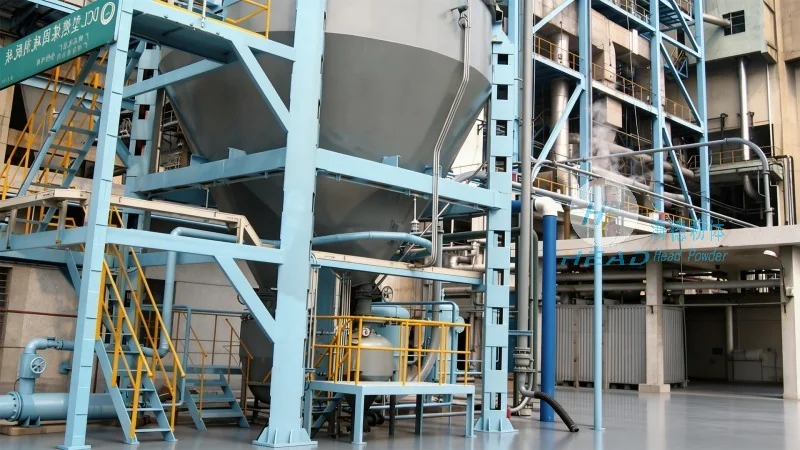
Fiber Material Conveying Lines: An Overview of Their Operation and Functionality
HeadPowder, a division of Shandong HeadPowder Engineering Co., Ltd., specializes in designing and manufacturing advanced fiber material conveying lines tailored to meet the specific needs of clients. Our systems are engineered to handle a wide range of fiber types, including natural fibers like cotton and wool, as well as synthetic fibers such as polyester and nylon. The core functionality of our conveying lines lies in their ability to transport these materials with minimal degradation, ensuring that the quality of the fiber is preserved throughout the process. This is achieved through the use of specialized conveyor components, such as belt conveyors, chain conveyors, and pneumatic systems, which are selected based on the characteristics of the fiber material and the operational requirements of the application.
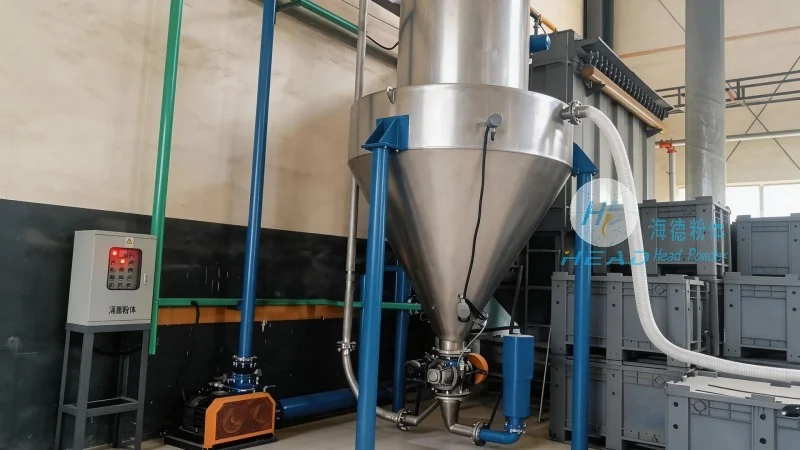
Key Components of the Conveying System
The operation of a fiber material conveying line is driven by several critical components that work together to ensure smooth material transport. The primary components include the drive system, which provides the necessary power to move the conveyor; the conveyor belt or chain, which serves as the transport medium; the idlers or rollers, which support the conveyor and maintain its alignment; and the control system, which regulates the speed and direction of the conveyor. Additionally, many modern fiber conveying lines incorporate sensors and monitoring devices to detect material flow, detect blockages, and adjust operational parameters in real-time. These components are carefully integrated to create a cohesive system that can handle high volumes of fiber material while maintaining precision and reliability.
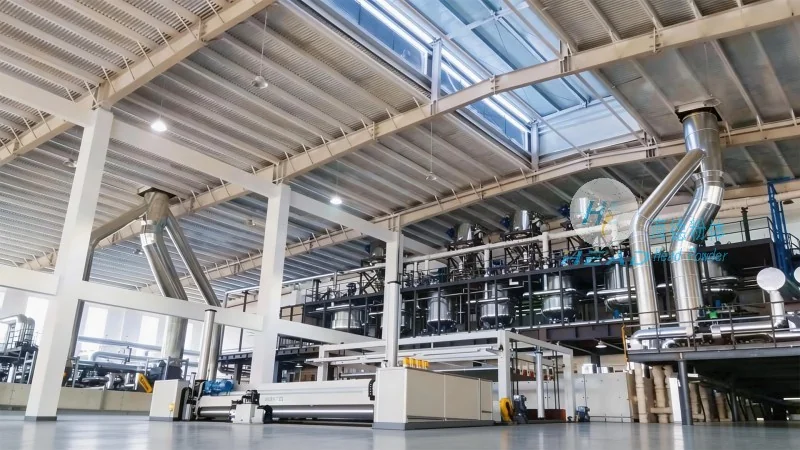
Step-by-Step Operation Process
The operation of a fiber material conveying line typically follows a structured sequence of steps to ensure efficient material handling. The process begins with the loading of fiber material into the feeding hopper or inlet. Once the material is loaded, the control system activates the drive motor, which starts the conveyor belt or chain moving. As the conveyor moves, the fiber material is transported from the inlet to the discharge point, where it is collected or transferred to the next processing stage. The system may include intermediate stations for material sorting, cleaning, or conditioning, which are integrated into the overall operation. The control system continuously monitors the flow rate and pressure, adjusting the conveyor speed as needed to maintain a consistent material flow. The operation concludes when the material has been fully transferred, and the system is either stopped or prepared for the next batch of material. This step-by-step process ensures that the conveying line operates efficiently and safely, minimizing downtime and maximizing productivity.
Working Principle: How the System Transfers Fiber Materials
The working principle of a fiber material conveying line is based on the mechanics of material transport through a conveyor system. For belt conveyors, the principle involves the friction between the conveyor belt and the material being conveyed. The drive system applies tension to the belt, causing it to move, and the material is carried along by the belt's surface. The idlers support the belt and maintain its tension, ensuring consistent movement. For chain conveyors, the principle is similar but uses a chain with attached buckets or plates to transport the material. The chain is driven by a motor, and the buckets lift and move the material along the conveyor path. Pneumatic conveying systems, on the other hand, use compressed air to create a flow that transports the fiber material through a pipeline. The air pressure propels the material, and the system includes cyclones or filters to separate the material from the air at the discharge point. Each type of system is chosen based on the specific characteristics of the fiber material, such as its density, moisture content, and abrasiveness, to ensure optimal performance and material integrity.
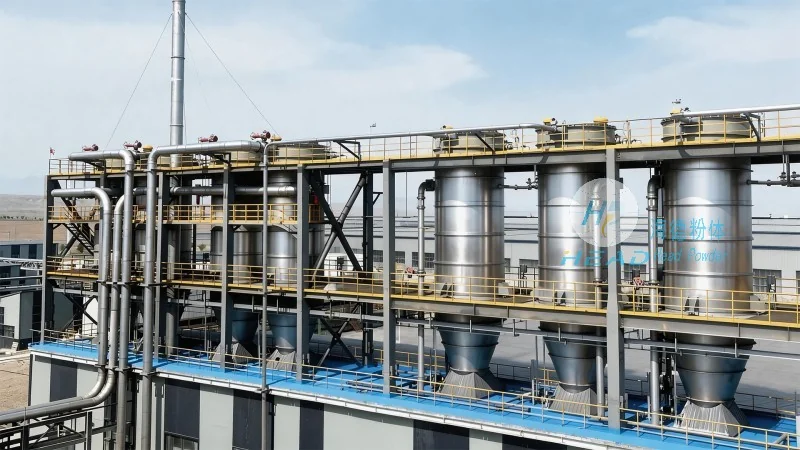
Ensuring Efficiency and Reliability with HeadPowder Engineering
Shandong HeadPowder Engineering Co., Ltd. is committed to providing high-quality fiber material conveying lines that deliver superior performance and reliability. Our engineering team designs systems that are tailored to the unique requirements of each application, ensuring that the conveying line operates efficiently and meets the production needs of our clients. We use advanced materials and manufacturing techniques to build durable components that can withstand the rigors of continuous operation. Our control systems are equipped with modern technology, including programmable logic controllers (PLCs) and human-machine interfaces (HMIs), which allow for precise control and monitoring of the conveying process. Additionally, we provide comprehensive maintenance and support services to ensure that our clients' systems operate at peak performance. By combining our expertise in engineering, manufacturing, and service, we help our clients optimize their production processes and achieve their business goals.