

Operation Process and Working Principle of Lithium Oxalate Material Handling Equipment
HeadPowder, a leading manufacturer based in Shandong, China, specializes in the design and production of advanced material handling equipment tailored for lithium oxalate processing. This article provides a detailed overview of the operation process and working principles of their lithium oxalate material handling systems, highlighting key components, operational sequences, and technical considerations essential for efficient material transport and processing.
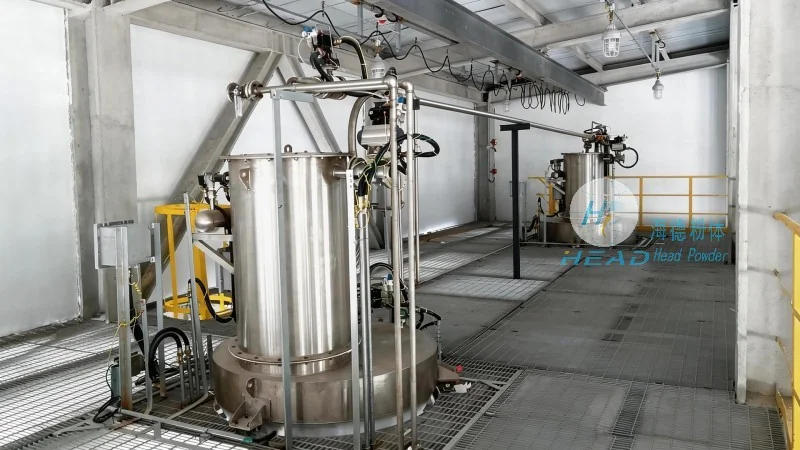
Introduction to Lithium Oxalate Material Handling Equipment
Lithium oxalate is a critical raw material in the production of lithium-ion batteries, and efficient material handling is crucial to maintain production efficiency and product quality. The equipment developed by Shandong HeadPowder Engineering Co., Ltd. is engineered to handle the unique properties of lithium oxalate, including its granular or powder form, and ensure safe, reliable, and high-throughput material transport within industrial settings.
Key Components of the Material Handling System
The lithium oxalate material handling equipment typically consists of several integrated components that work in concert to facilitate smooth material flow. These components include feeders, conveyors, storage silos, and control systems, each designed to address specific operational needs while ensuring compatibility with the material's characteristics.
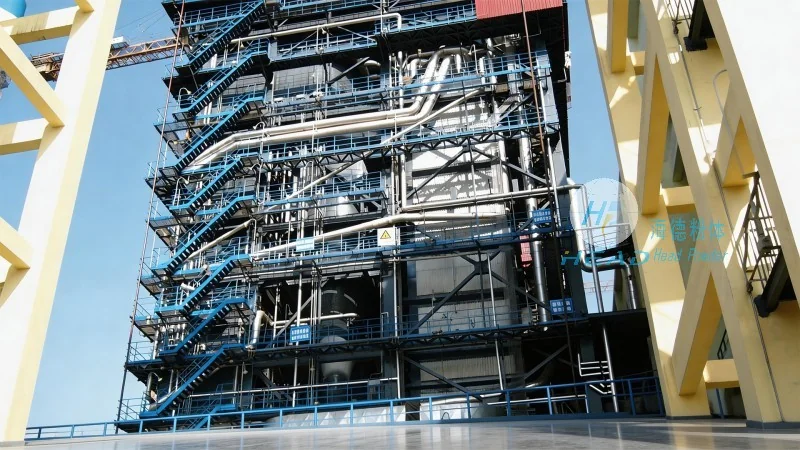
Operation Process: Step-by-Step Overview
The operation process of the lithium oxalate material handling equipment begins with the initial feeding of raw material into the system. The feeders, often equipped with adjustable speed controls, regulate the flow rate of lithium oxalate from storage silos or bulk containers. This controlled feeding ensures consistent material input to the subsequent conveying stages.
Following the feeder, the material is transferred to the primary conveyor system, which may include belt conveyors, screw conveyors, or pneumatic transport lines, depending on the specific application and plant layout. The conveyor system transports the lithium oxalate to the processing or packaging areas, maintaining a steady flow rate to avoid material buildup or bottlenecks.
In some systems, intermediate storage or blending units may be incorporated to adjust the material's composition or moisture content before further processing. These units are equipped with mixing mechanisms or conditioning devices to ensure the lithium oxalate meets the required specifications for downstream operations.
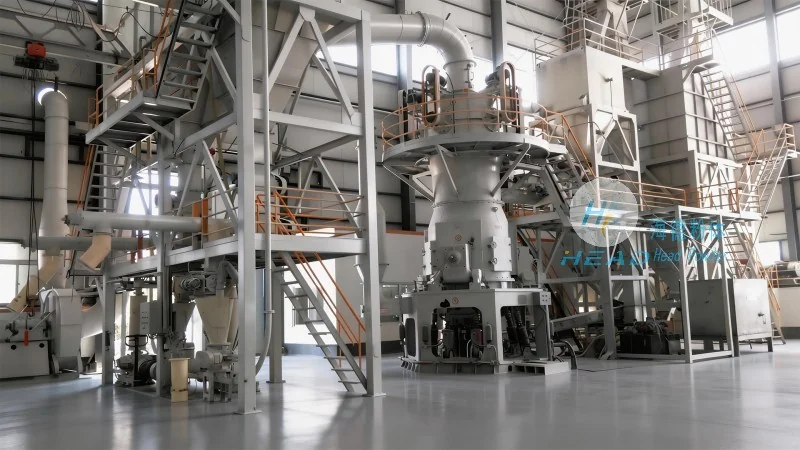
Working Principle: Mechanisms and Controls
The working principle of the lithium oxalate material handling equipment relies on a combination of mechanical and electrical controls to manage material movement and system safety. The feeders utilize gravity or mechanical force to move material, while conveyors employ rotating components or air pressure to transport the material along designated paths.
Advanced control systems, often integrated with sensors and monitoring devices, provide real-time feedback on material levels, flow rates, and system performance. These controls enable automated adjustments to maintain optimal operating conditions, such as adjusting feeder speed or conveyor tension based on real-time data. Safety features, including emergency stop buttons and overload protection, are also integral to the system to prevent accidents and equipment damage.
Technical Considerations for Efficient Operation
Several technical considerations are essential for the efficient and reliable operation of lithium oxalate material handling equipment. Material properties, such as particle size distribution, moisture content, and flowability, significantly impact system performance and require careful consideration during equipment design. For instance, cohesive or sticky materials may necessitate the use of special feeders or conditioning equipment to prevent blockages.
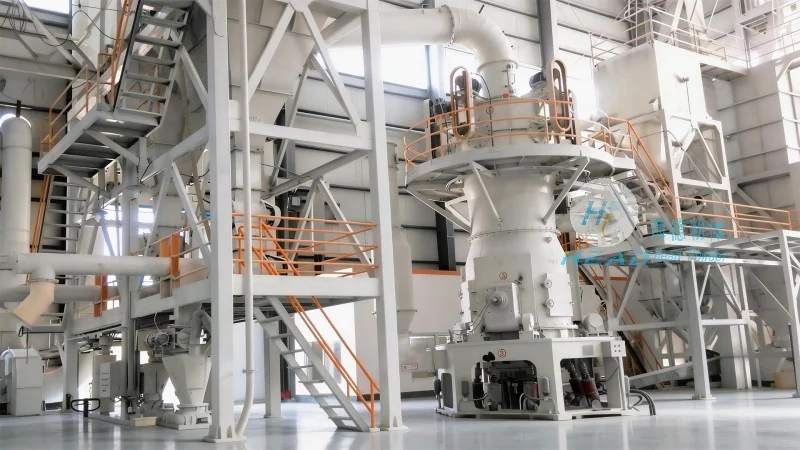
System integration and compatibility with existing plant infrastructure are also critical factors. The equipment must be designed to interface seamlessly with other processing units, such as reactors or drying systems, to ensure a continuous material flow throughout the production process. Maintenance and cleaning procedures are another key aspect, as lithium oxalate can adhere to equipment surfaces, requiring regular cleaning to prevent material buildup and maintain efficiency.
Conclusion: Advantages of HeadPowder's Lithium Oxalate Handling Solutions
Shandong HeadPowder Engineering Co., Ltd. offers comprehensive lithium oxalate material handling solutions that combine advanced technology with robust design to meet the demanding requirements of modern battery production facilities. By understanding the operation process and working principles of these systems, manufacturers can optimize material flow, enhance production efficiency, and ensure consistent product quality. The company's commitment to quality and innovation ensures that their equipment remains at the forefront of material handling technology for lithium oxalate processing.