Intelligent centralized powder material handling systems represent a sophisticated solution for the efficient and reliable transportation of bulk powders in industrial settings. These systems integrate advanced automation, real-time monitoring, and intelligent control to optimize the entire powder handling process, from source to destination. The following content provides a detailed overview of the operation process and working principle of such systems, highlighting the key aspects that contribute to their effectiveness and reliability.
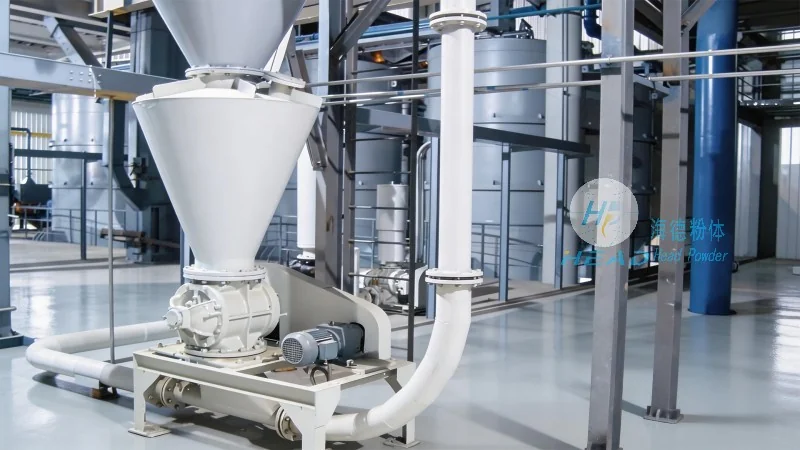
Company Overview: HeadPowder
HeadPowder, formally known as Shandong HeadPowder Engineering Co., Ltd., is a leading manufacturer and supplier of advanced powder handling technologies. With a strong presence in China, particularly in Shandong, the company specializes in developing and implementing intelligent centralized powder transport solutions tailored to the needs of various industries, including pharmaceuticals, chemicals, food processing, and more. HeadPowder's commitment to innovation and quality ensures that their systems meet the highest standards of performance, safety, and efficiency.
System Architecture and Key Components
The intelligent centralized powder handling system typically consists of several core components that work in tandem to achieve seamless material transport. These components include: (1) a central control unit equipped with advanced software for monitoring and control; (2) powder storage silos or hoppers with level sensors and aeration systems to maintain material flow; (3) pneumatic conveying pipelines with variable speed drives and pressure regulators; (4) automated valves and actuators for precise control of material flow direction; (5) dust collection and filtration systems to ensure environmental compliance and product purity; and (6) a user interface for operators to monitor system status and adjust parameters as needed. Each component is designed to integrate seamlessly, enabling the system to operate as a unified, intelligent unit.
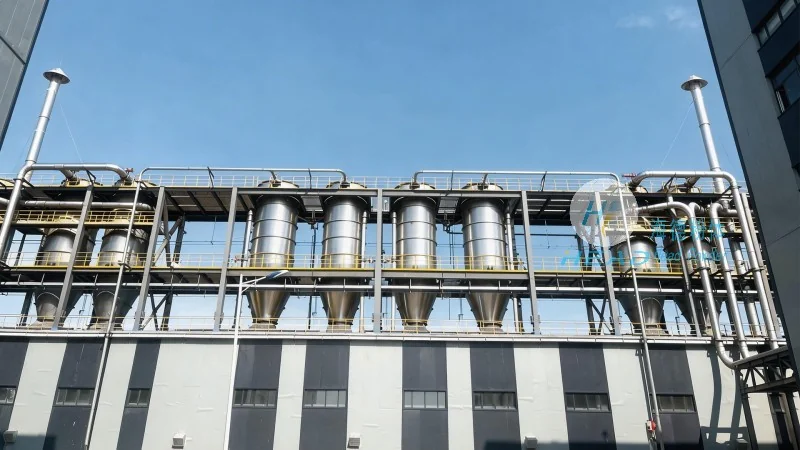
Operation Process: Step-by-Step Workflow
The operation process of an intelligent centralized powder handling system follows a systematic workflow that ensures efficient and safe material transport. The typical steps include: (1) Material Loading: Powders are loaded into the storage silos or hoppers from bulk containers or production lines. Level sensors monitor the material level to prevent overfilling or underfilling. (2) System Initialization: The central control unit is activated, and all components are checked for proper operation. The system performs a self-diagnostic routine to ensure all sensors, valves, and motors are functioning correctly. (3) Material Transfer: Based on the operator's instructions or pre-programmed schedules, the system initiates the transfer of powder from the source silo to the destination point. The pneumatic conveying pipelines use compressed air to create a flow of powder, with variable speed drives adjusting the air pressure and flow rate to maintain optimal transport conditions. (4) Flow Control: Automated valves and actuators regulate the flow of powder through the pipelines, ensuring that the material moves at a consistent and controlled rate. Pressure regulators maintain stable pressure within the system to prevent blockages or excessive pressure buildup. (5) Destination Delivery: The powder is delivered to the target silo, tank, or processing equipment. Level sensors at the destination monitor the arrival of material and signal the system to stop or adjust the flow as necessary. (6) System Monitoring and Reporting: Throughout the operation, the central control unit continuously monitors key parameters such as pressure, flow rate, and material level. Real-time data is displayed on the user interface, and any anomalies or deviations are immediately flagged for operator attention. The system also generates reports on material usage, transfer efficiency, and operational status for maintenance and performance analysis.
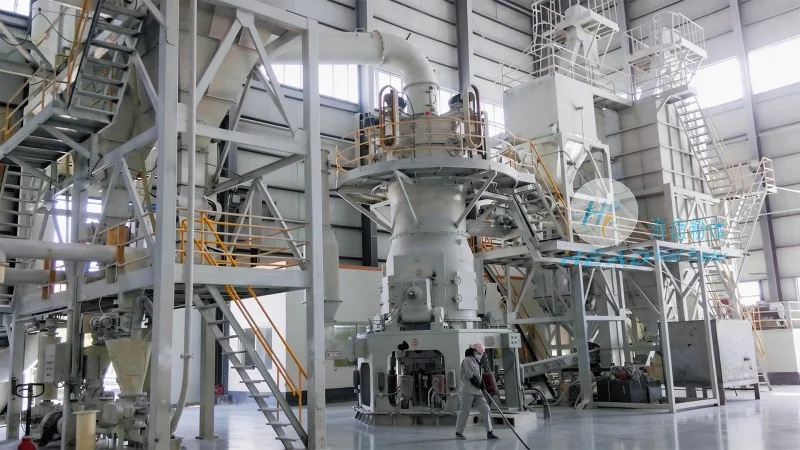
Working Principle: Technology and Mechanism
The working principle of an intelligent centralized powder handling system is based on the combination of pneumatic conveying technology and advanced control systems. Pneumatic conveying involves the use of compressed air to transport bulk powders through pipelines. The system operates by creating a pressure differential between the source and destination, causing the powder to be carried along with the air stream. The key mechanisms include: (1) Air-Liquid (or Air-Powder) Mixing: The powder is mixed with a controlled amount of air in the conveying line, which reduces friction and allows for smooth transport. The ratio of air to powder is carefully controlled to maintain optimal flow conditions and prevent material degradation or segregation. (2) Pressure and Flow Regulation: Variable speed drives and pressure regulators adjust the air pressure and flow rate to match the characteristics of the powder being transported. This ensures that the material moves at a consistent velocity, minimizing the risk of blockages or excessive wear on the system components. (3) Intelligent Control: The central control unit uses sensors and feedback loops to adjust the system parameters in real time. For example, if the pressure in the pipeline drops, the system automatically increases the air flow to maintain the desired transport conditions. Similarly, if the material level in the source silo decreases, the system adjusts the loading rate to prevent delays. (4) Safety and Compliance: The system incorporates safety features such as pressure relief valves, emergency stop buttons, and interlocks to prevent accidents and ensure compliance with industry regulations. Dust collection and filtration systems are also integrated to capture and remove airborne particles, maintaining a clean and safe working environment.
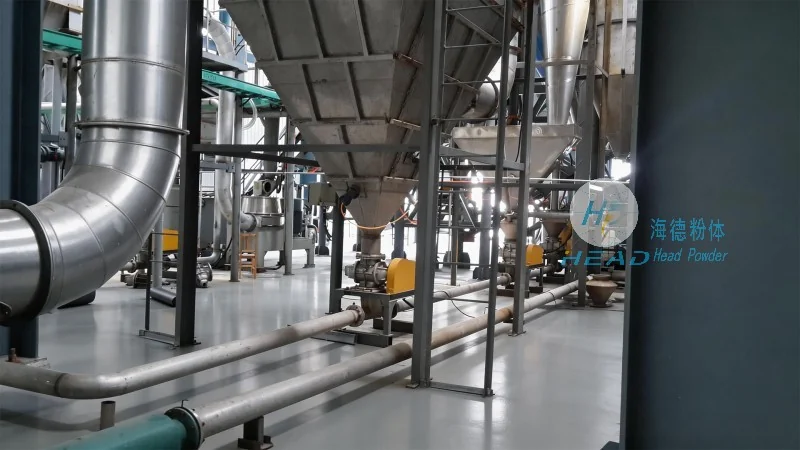
Benefits and Applications
The intelligent centralized powder handling system offers numerous benefits to industrial operations, including improved efficiency, reduced labor costs, enhanced safety, and increased product quality. By automating the entire powder transport process, the system minimizes the need for manual handling, which reduces the risk of human error and workplace accidents. The real-time monitoring and control features enable operators to optimize the system's performance, leading to higher throughput and lower energy consumption. Additionally, the system's ability to maintain consistent material flow and pressure conditions ensures that the powder remains in its original state, preventing segregation, agglomeration, or degradation. These advantages make the intelligent centralized powder handling system suitable for a wide range of applications, including pharmaceutical manufacturing, where product purity and consistency are critical, and chemical processing, where safety and efficiency are paramount.
Conclusion
In conclusion, the intelligent centralized powder material handling system is a highly effective solution for the efficient and reliable transport of bulk powders in industrial settings. By integrating advanced automation, real-time monitoring, and intelligent control, the system optimizes the entire powder handling process, from source to destination. HeadPowder, as a leading manufacturer in this field, provides comprehensive solutions that meet the diverse needs of various industries. The operation process and working principle of such systems are designed to ensure high performance, safety, and efficiency, making them an essential component of modern industrial operations.




