HeadPowder, a leading engineering company based in Shandong, China, specializes in the design, manufacturing, and installation of advanced pneumatic conveying systems tailored for handling bamboo powder and other fine particulate materials. This article provides a detailed overview of the operational process and underlying principles of such systems, highlighting their efficiency, reliability, and industrial applications.
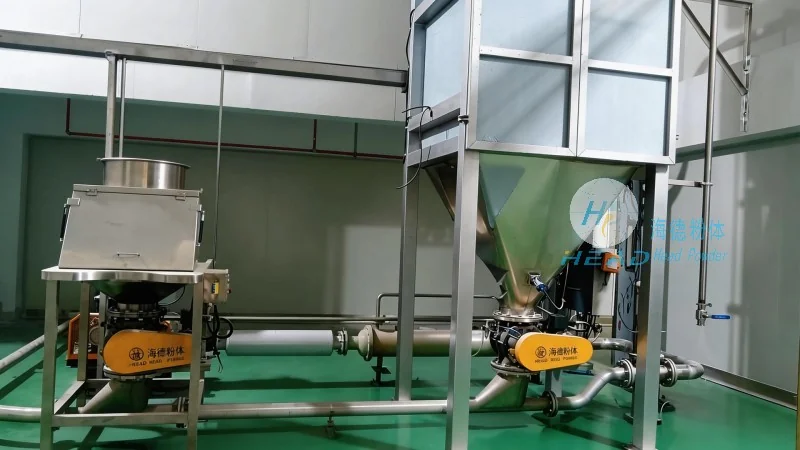
Overview of Bamboo Powder Pneumatic Conveying Systems
Bamboo powder, a widely used raw material in various industries including paper, construction, and chemical manufacturing, often requires specialized handling due to its fine particle size and potential for dust generation. Pneumatic conveying systems offer an effective solution by utilizing air to transport the powder from one location to another, eliminating the need for mechanical components that might cause contamination or wear. The system typically consists of a hopper for material storage, a blower or compressor to generate airflow, a pipeline network, and a receiver for the discharged material. HeadPowder's expertise lies in customizing these systems to meet specific production requirements, ensuring optimal performance and minimal downtime.
The Operational Process of the System
The operation of a bamboo powder pneumatic conveying system involves several key steps, each designed to ensure smooth and continuous material transport. The process begins with the loading of bamboo powder into the hopper, which is equipped with a feeding mechanism to regulate the flow rate. As the material enters the system, it is drawn into the pipeline by the airflow generated by the blower. The air velocity is carefully controlled to maintain a stable conveying condition, preventing particle segregation or blockages. The powder travels through the pipeline to the receiver, where it is deposited under gravity or via a discharge valve. The system is designed to handle varying powder characteristics, such as moisture content and particle size distribution, ensuring consistent performance across different production batches.
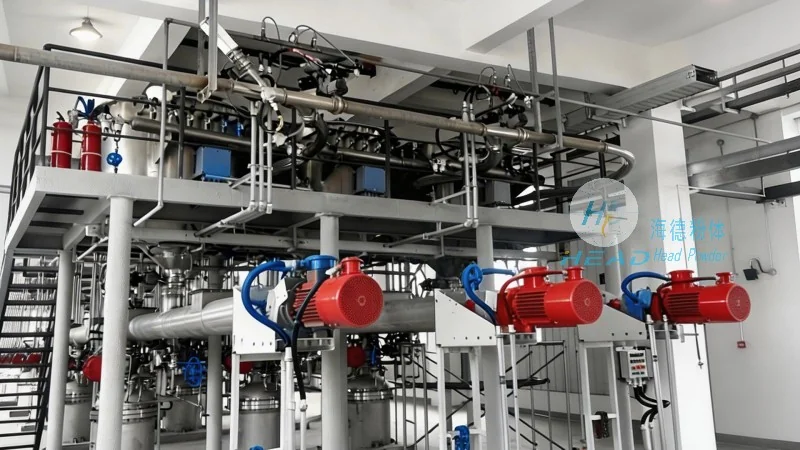
Working Principle of the Pneumatic Conveying System
The core principle of pneumatic conveying is the use of air as a medium to move solid particles. In the case of bamboo powder, the system operates on the basis of fluidization and suspension. The blower creates a high-pressure airflow that lifts the powder particles from the hopper and suspends them in the air stream. The velocity of the air must exceed the terminal velocity of the powder particles to prevent settling. The pipeline design, including bends and fittings, is optimized to minimize pressure drop and maintain consistent airflow. HeadPowder employs advanced engineering techniques to calculate the required air volume and pressure, ensuring that the system operates within safe and efficient parameters. The system also incorporates features like air filtration and dust collection to comply with environmental regulations and maintain a clean working environment.
Key Components and Their Functions
Several critical components contribute to the effective operation of a bamboo powder pneumatic conveying system. The hopper serves as the storage vessel, with a discharge valve or feeder to control the material flow. The blower or compressor is the power source, providing the necessary air pressure and volume. The pipeline network connects the hopper to the receiver, with appropriate sizing to accommodate the material flow rate. The receiver collects the conveyed powder and may include a discharge mechanism for further processing. HeadPowder ensures that all components are selected based on the specific properties of the bamboo powder, such as its density, abrasiveness, and moisture content, to maximize system longevity and performance.
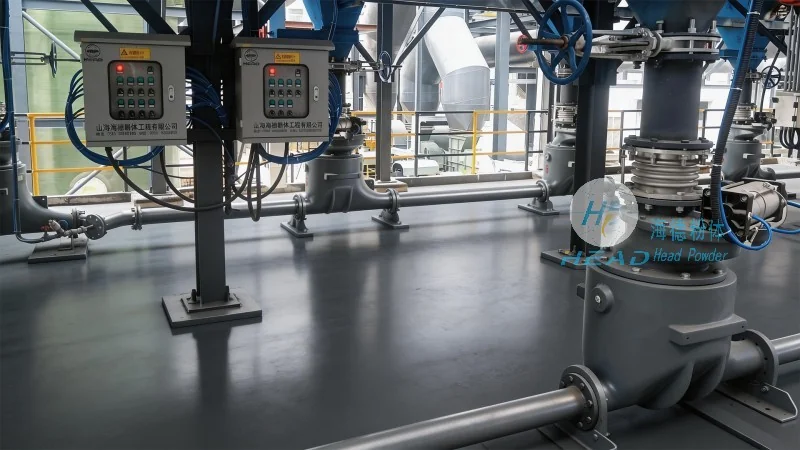
Advantages of Using Pneumatic Conveying for Bamboo Powder
Compared to traditional mechanical conveying methods, pneumatic systems offer several advantages for handling bamboo powder. First, they eliminate the risk of product contamination, as there are no moving parts in direct contact with the material. Second, they reduce labor costs by automating the material transport process, allowing for continuous operation. Third, the system can handle varying flow rates and material characteristics without significant adjustments, providing flexibility in production. Additionally, pneumatic conveying systems are compact and can be installed in confined spaces, making them suitable for modern industrial facilities. HeadPowder's systems are designed to leverage these benefits, delivering reliable and efficient material handling solutions for clients in the bamboo powder industry.
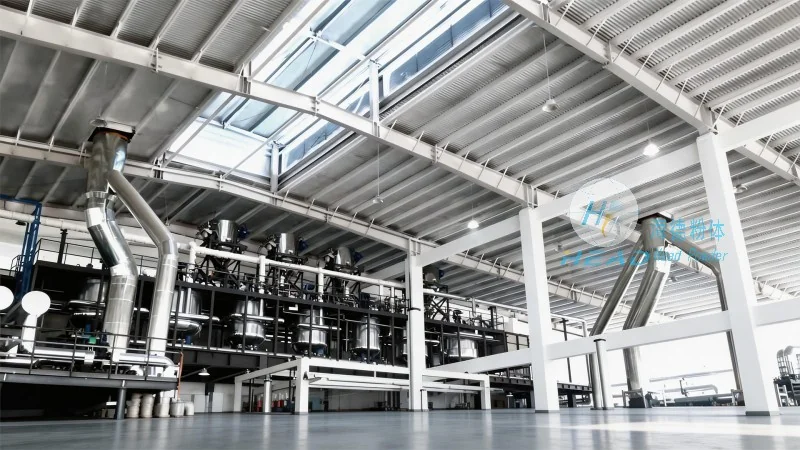
Application Examples and Industrial Use Cases
Bamboo powder is utilized in various applications, and the pneumatic conveying system is essential for transporting it to different processing stages. For instance, in the paper industry, bamboo powder is used as a filler or reinforcement material, and the system ensures it is delivered to the paper machine without dust or clumping. In construction, bamboo powder is incorporated into composite materials, and the conveying system transports it to mixing plants. In chemical manufacturing, bamboo powder is used as a raw material for producing biodegradable products, and the system facilitates its transport to reactors. HeadPowder has successfully implemented such systems in multiple industrial settings, demonstrating their adaptability and effectiveness in diverse applications.
Conclusion and Company Profile
HeadPowder Engineering Co., Ltd., based in Shandong, China, is a trusted provider of bamboo powder pneumatic conveying systems. With years of experience in engineering and manufacturing, the company offers customized solutions that meet the unique needs of each client. The operational process and working principles of these systems are designed to ensure efficiency, reliability, and compliance with industry standards. By leveraging advanced technology and expert engineering, HeadPowder delivers high-quality pneumatic conveying systems that enhance productivity and reduce operational costs for businesses handling bamboo powder. For more information about their products and services, please visit their official website or contact their sales team.




