

Inert Gas Circulation Pneumatic Conveying System: Operation Process and Working Principle
HeadPowder, a leading provider in the field of material handling solutions, specializes in advanced pneumatic conveying systems. Based in Shandong, China, the company has established itself as a trusted partner for industries requiring efficient and reliable material transport. This article delves into the operation process and working principles of the inert gas circulation pneumatic conveying system, a technology designed to enhance material handling efficiency while maintaining safety and environmental standards.
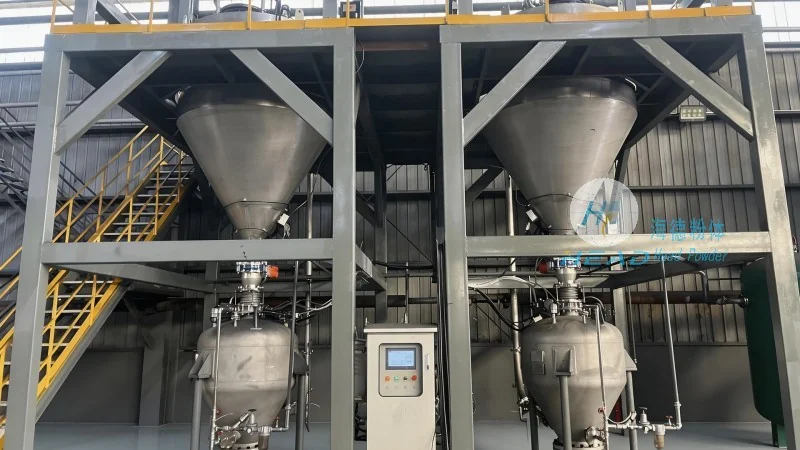
Overview of the Inert Gas Circulation Pneumatic Conveying System
The inert gas circulation pneumatic conveying system is a sophisticated solution for transporting bulk materials through a closed-loop system using inert gases. Unlike traditional pneumatic conveying systems that rely on air, this system employs inert gases such as nitrogen or carbon dioxide to create a safe and controlled environment. The primary goal is to prevent oxidation, combustion, or contamination of the conveyed materials, making it ideal for handling sensitive or hazardous substances. The system integrates components like a material feeder, conveying pipeline, gas circulation unit, and control system to achieve seamless material transport.
Working Principle of the Inert Gas Circulation System
The core of the inert gas circulation system lies in its closed-loop gas management. The process begins with the material being fed into the system via a hopper or feeder. Simultaneously, an inert gas is introduced into the system, creating a pressurized environment within the pipeline. As the material moves through the pipeline, it is entrained by the gas flow, which carries the material particles to the destination point. The gas, now mixed with the material, continues to circulate through the system, ensuring a continuous and stable flow. At the receiving end, the material is separated from the gas, often through a cyclone or filter, and the gas is recirculated back to the system, minimizing waste and energy consumption.
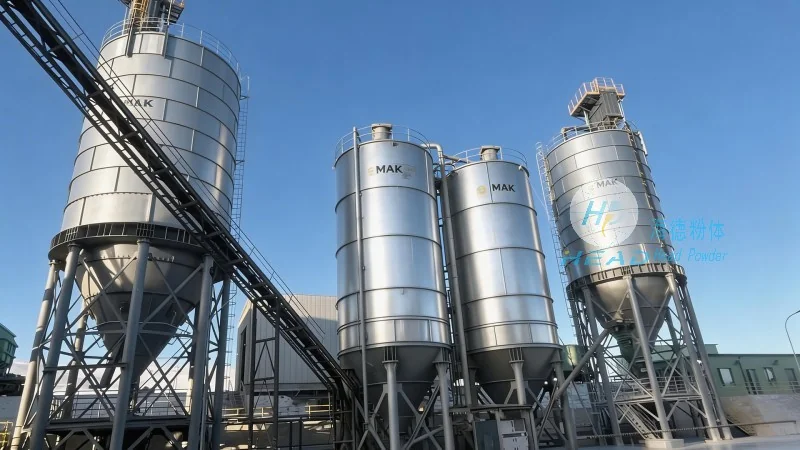
Step-by-Step Operation Process
The operation of the inert gas circulation pneumatic conveying system follows a systematic sequence to ensure optimal performance. First, the system is prepared by checking the gas supply and ensuring all components are properly sealed. Next, the material is loaded into the feeder, and the inert gas is activated, establishing the necessary pressure and flow rate. The material feeder then releases the material into the pipeline, where it is immediately entrained by the gas flow. The conveying process continues until the material reaches the discharge point. At the discharge end, the material is collected in a storage bin or processing unit, while the gas is filtered and returned to the circulation loop. The system then enters a standby mode until the next batch of material is required.
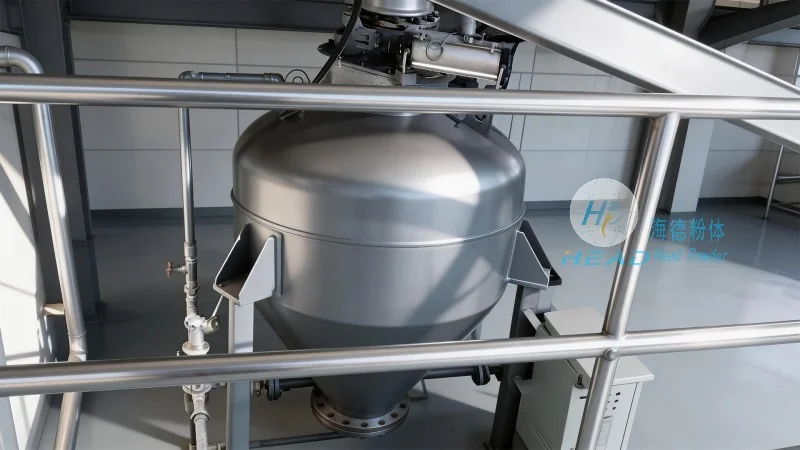
Key Technical Advantages
Several technical advantages distinguish the inert gas circulation pneumatic conveying system from conventional methods. Firstly, the use of inert gases eliminates the risk of fire or explosion, making it suitable for transporting flammable or explosive materials. Secondly, the closed-loop system reduces energy consumption by recycling the gas, leading to cost savings and environmental benefits. Additionally, the system minimizes material degradation due to reduced exposure to air and moisture, preserving the quality of the conveyed product. The modular design allows for easy integration with existing production lines, and the system can be customized to handle various material types and flow rates.
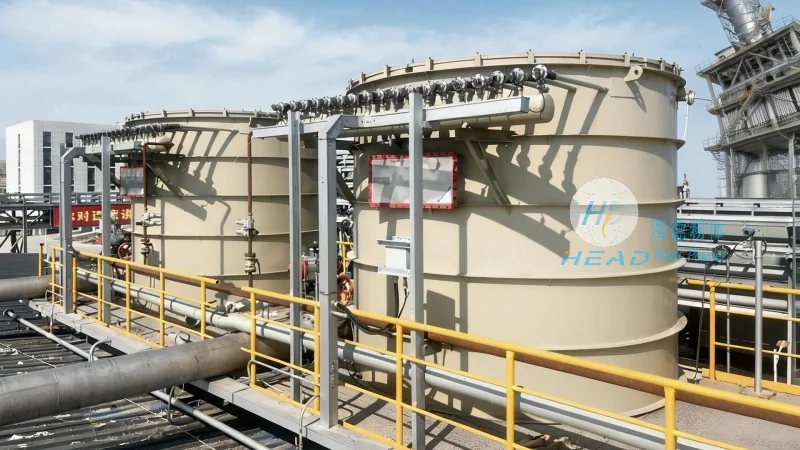
Applications and Industries
The inert gas circulation pneumatic conveying system is widely used across multiple industries where material handling requires precision and safety. In the chemical industry, it is used to transport powders and granules that are sensitive to air or moisture, such as pharmaceuticals, food additives, and specialty chemicals. The petrochemical sector employs this system for handling hazardous materials like catalysts and catalyst carriers. In the food and beverage industry, the system ensures the safe transport of ingredients while maintaining hygiene standards. Additionally, it is utilized in the mining and minerals industry for transporting ores and concentrates, and in the pharmaceutical manufacturing sector for handling active pharmaceutical ingredients (APIs).
Conclusion
HeadPowder's inert gas circulation pneumatic conveying system represents a cutting-edge solution for efficient and safe material transport. By leveraging inert gas circulation and advanced control systems, the technology offers significant advantages in terms of safety, energy efficiency, and material quality. With its ability to handle a wide range of materials and industries, this system is a valuable asset for companies seeking to optimize their material handling processes. Based in Shandong, China, HeadPowder continues to innovate and provide tailored solutions to meet the evolving needs of its clients.