

Principle and Working Scene Characteristics of Sodium Nitrate Material Pneumatic Conveying Line
Sodium nitrate, a critical chemical compound widely used in agriculture, food preservation, and industrial applications, requires efficient and reliable material handling solutions to ensure safe and effective processing. Pneumatic conveying lines offer a sophisticated method for transporting sodium nitrate, combining precision, safety, and operational efficiency. This article explores the fundamental principles behind pneumatic conveying systems for sodium nitrate, along with the specific working scene characteristics that make them ideal for various industrial applications.
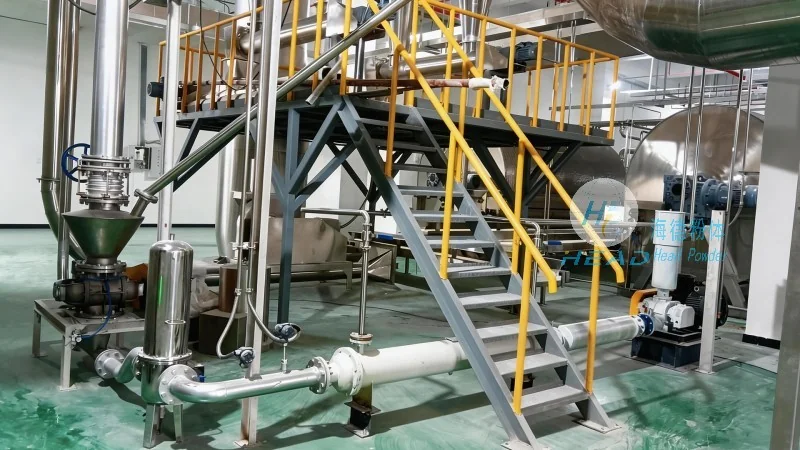
Principle of Pneumatic Conveying for Sodium Nitrate
The core principle of pneumatic conveying involves the use of air or gas to transport bulk materials like sodium nitrate through a pipeline system. Unlike traditional mechanical conveyors, which rely on physical components such as belts or buckets, pneumatic systems utilize pressure differentials to move material. In the case of sodium nitrate, the system typically operates under positive pressure, where compressed air forces the material through the pipeline. This method ensures minimal product degradation, as the material remains in a dry, enclosed environment, reducing the risk of moisture absorption or contamination. The process begins with the material being fed into a hopper or feeder, where it is then introduced into the pipeline alongside the air stream. The air velocity is carefully controlled to maintain a stable flow, preventing material segregation or blockages. For sodium nitrate, which is a fine to medium-grained powder, the selection of appropriate air velocities and pipeline diameters is crucial to avoid excessive pressure drops or material deposition.
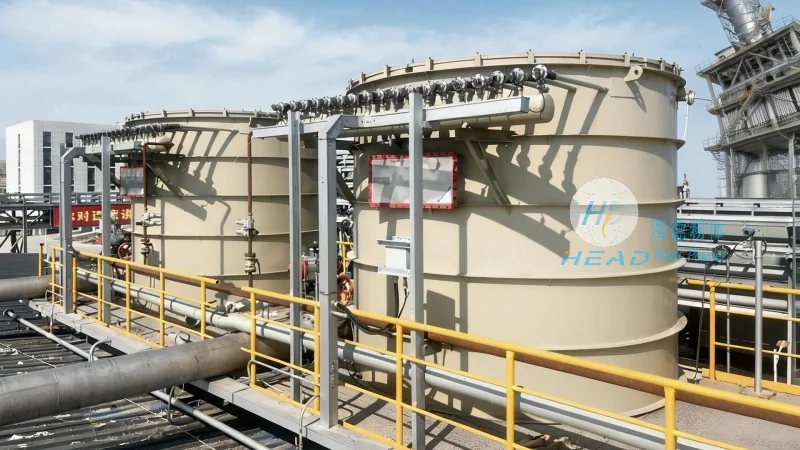
Key Components of a Sodium Nitrate Pneumatic Conveying Line
A typical pneumatic conveying line for sodium nitrate consists of several key components, each designed to optimize the transport process. The primary components include a feeder system, a pipeline network, a pressure vessel or receiver, and a control system. The feeder, often a rotary valve or a screw feeder, ensures a consistent and controlled flow of sodium nitrate into the system. The pipeline, made from materials resistant to corrosion and chemical interaction (such as stainless steel or special plastics), is designed to withstand the pressure and potential abrasion from the material. The pressure vessel or receiver is used to collect the conveyed material at the destination point, allowing for easy discharge and storage. The control system, which may include sensors and valves, monitors and adjusts the air pressure and flow rate to maintain optimal operation. For sodium nitrate, which can be hygroscopic (absorbing moisture from the air), the system may incorporate drying or moisture control mechanisms to prevent material clumping or degradation.
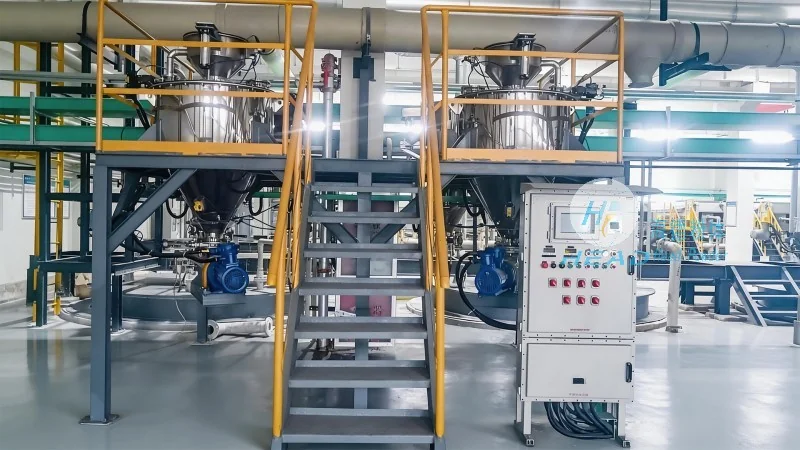
Working Scene Characteristics and Applications
The working scene characteristics of sodium nitrate pneumatic conveying lines are tailored to the specific needs of industrial environments. These systems are commonly used in fertilizer production facilities, where sodium nitrate is mixed with other nutrients to create customized fertilizer blends. In such applications, the conveying line must handle large volumes of material while maintaining precise control over the flow rate to ensure uniform mixing. Another common application is in food processing, where sodium nitrate is used as a preservative in meat products. Here, the system must adhere to strict hygiene standards, with components made from food-grade materials and the entire process being monitored for contamination. Additionally, in industrial chemical plants, sodium nitrate is used as an oxidizer in various processes, and the conveying line must be designed to handle the material safely, with explosion-proof features and proper ventilation to prevent dust accumulation. The working scene characteristics also include considerations for space constraints, as pneumatic systems can be installed in compact areas, making them suitable for facilities with limited floor space. Furthermore, the systems are designed for easy maintenance, with accessible components and quick replacement parts, reducing downtime and operational costs.
Advantages of Using Pneumatic Conveying for Sodium Nitrate
Implementing a pneumatic conveying line for sodium nitrate offers several advantages over traditional material handling methods. One of the most significant benefits is the reduction in labor costs, as the system automates the material transport process, eliminating the need for manual handling. This not only improves efficiency but also enhances workplace safety by minimizing the risk of accidents associated with manual lifting and moving of bulk materials. Another advantage is the improved product quality, as the enclosed system prevents contamination from dust, moisture, or other environmental factors. This is particularly important for sodium nitrate, which is sensitive to moisture and can degrade if exposed to air for extended periods. The system also allows for precise control over the flow rate and pressure, enabling accurate dosing and mixing, which is critical in applications such as fertilizer production or food processing. Additionally, pneumatic conveying systems are highly flexible, allowing for easy reconfiguration or expansion as production needs change. This adaptability makes them a cost-effective solution for growing businesses. Finally, the system’s ability to handle large volumes of material in a continuous operation increases overall productivity, contributing to higher output and reduced operational costs.
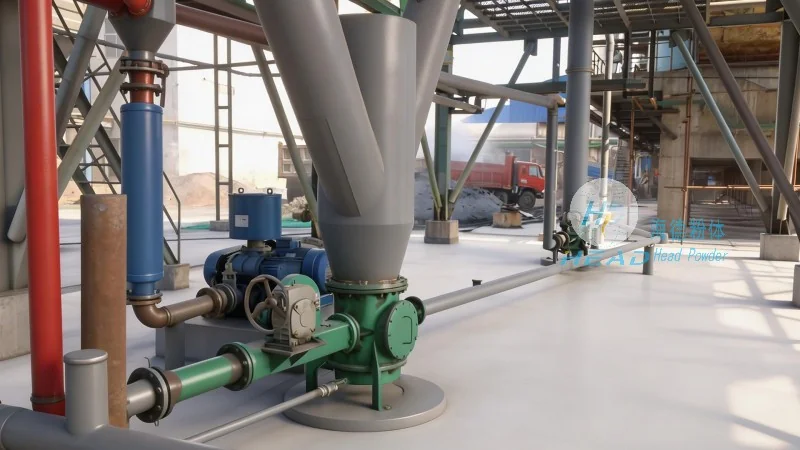
Company Profile: Shandong HeadPowder Engineering Co., Ltd.
Shandong HeadPowder Engineering Co., Ltd., commonly known as HeadPowder, is a leading provider of specialized material handling solutions, including pneumatic conveying systems for sodium nitrate and other bulk materials. With a strong commitment to innovation and quality, HeadPowder has established itself as a trusted partner in the chemical and industrial sectors. The company’s headquarters is located in Shandong, China, where it leverages advanced technology and expertise to design and manufacture customized conveying systems tailored to the unique needs of its clients. HeadPowder’s team of engineers and technicians work closely with customers to understand their operational requirements, ensuring that the final solution is both efficient and cost-effective. The company’s products are known for their durability, reliability, and adherence to international safety and quality standards. By focusing on customer satisfaction and continuous improvement, HeadPowder has built a reputation for delivering high-performance pneumatic conveying systems that meet the demanding requirements of modern industrial applications.