

Principle and Working Scene Characteristics of Pneumatic Conveying Equipment for Lithium-Ion Battery
HeadPowder, a leading manufacturer based in Shandong, China, specializes in advanced pneumatic conveying equipment tailored for the handling of lithium-ion battery nanomaterials. This equipment is designed to address the unique challenges associated with processing fine powders, such as high reactivity, potential for agglomeration, and strict safety requirements in battery production lines.
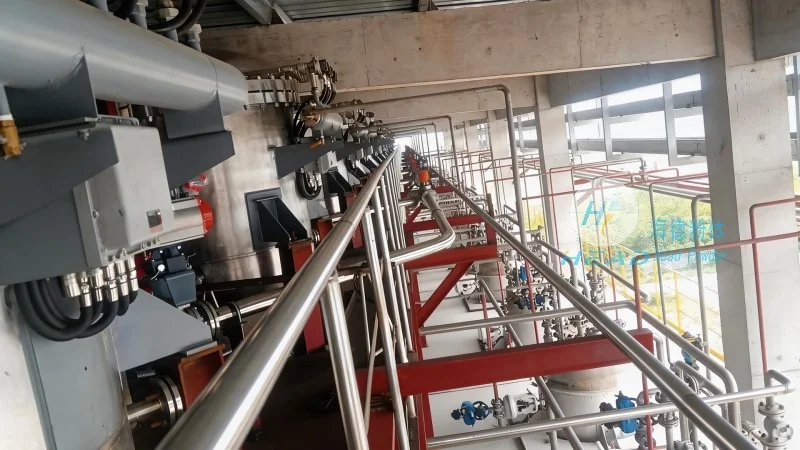
Principle of Pneumatic Conveying for Lithium-Ion Battery Nanomaterials
The core principle of pneumatic conveying involves the use of compressed air or gas to transport bulk materials through a pipeline system. For lithium-ion battery nanomaterials, which often include active materials like lithium cobalt oxide (LiCoO₂), lithium iron phosphate (LiFePO₄), or graphite, this method offers several advantages over traditional mechanical conveying. The equipment typically operates by creating a pressure differential, either through positive pressure (where air is blown into the pipeline) or negative pressure (where air is drawn out), to move the material from the source to the destination. This process minimizes material contact with equipment surfaces, reducing contamination and ensuring product purity—critical factors in battery manufacturing where even trace impurities can impact performance and safety.
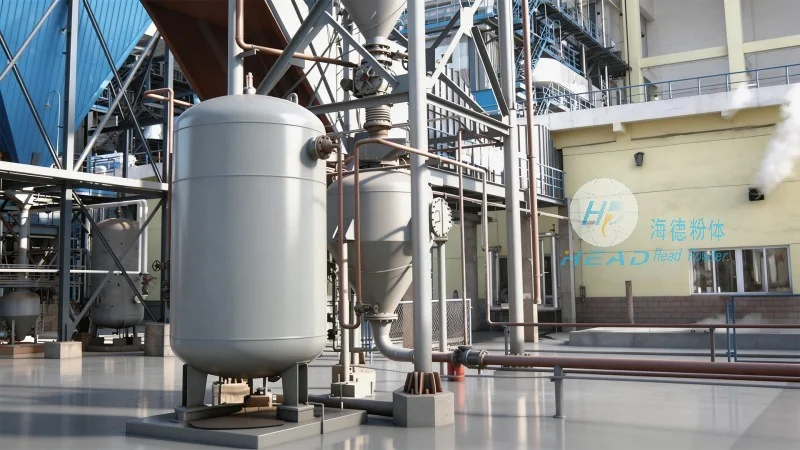
Key Working Scene Characteristics
The application of pneumatic conveying equipment in lithium-ion battery production environments exhibits distinct characteristics that enhance operational efficiency and safety. One primary scenario is the transfer of nanomaterials between processing stages, such as from a mixing or grinding unit to a drying or packaging system. In these settings, the equipment’s ability to handle fine powders without clogging or loss of material is paramount. Another key scene is the integration of the system into automated production lines, where the equipment works in tandem with other machinery to maintain a continuous flow of materials. This integration reduces downtime and improves overall line throughput, which is essential for meeting high-volume production demands in the battery industry.
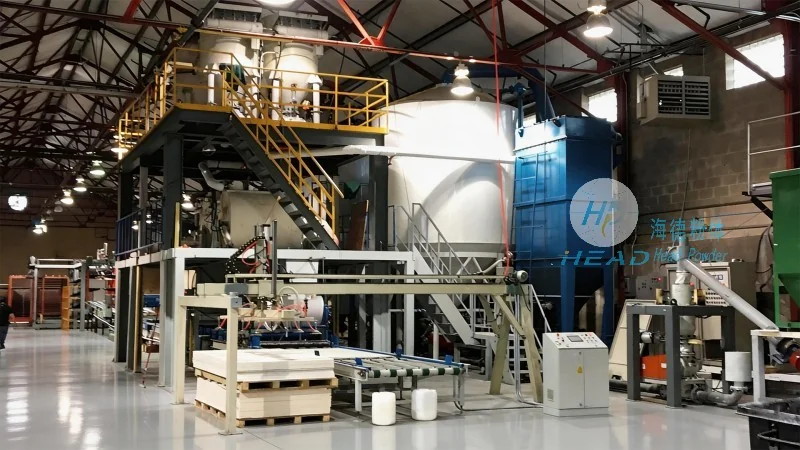
Advantages in Handling Nanomaterials
When dealing with lithium-ion battery nanomaterials, conventional conveying methods like belt conveyors or screw conveyors may pose challenges due to the material’s fine particle size and potential for static electricity. Pneumatic conveying systems, however, are specifically engineered to mitigate these issues. The use of air as the conveying medium prevents particle buildup on equipment surfaces, which helps maintain consistent material flow and reduces the risk of fire or explosion—critical safety considerations in battery manufacturing facilities. Additionally, the equipment’s design allows for precise control over material velocity and pressure, enabling operators to adjust the conveying parameters based on the specific properties of the nanomaterial being handled. This adaptability ensures optimal performance across a range of applications, from low to high flow rates, and from low to high particle concentrations.
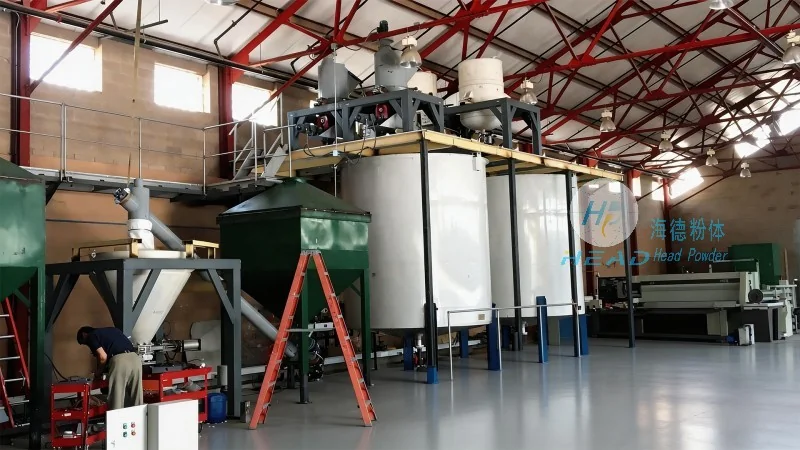
Company Expertise and Solutions
Shandong HeadPowder Engineering Co., Ltd., the parent company of HeadPowder, leverages decades of experience in powder processing technology to develop customized pneumatic conveying solutions for the lithium-ion battery sector. The company’s equipment is designed to meet the stringent standards of battery manufacturers, with features such as explosion-proof motors, corrosion-resistant materials, and advanced control systems. By integrating local manufacturing capabilities with global research and development, HeadPowder ensures that its products are both cost-effective and technologically advanced. The company’s commitment to quality and customer support has made it a trusted partner for battery manufacturers seeking reliable and efficient material handling solutions.