

Principle and Working Scene Characteristics of Pneumatic Conveying Equipment for Polyethylene Resin
HeadPowder, a leading provider of industrial material handling solutions, specializes in the design and manufacturing of pneumatic conveying systems tailored for polyethylene resin powder applications. This article explores the fundamental principles behind such equipment and highlights key working scene characteristics that define its operational effectiveness in industrial settings.
Pneumatic Conveying: The Core Principle
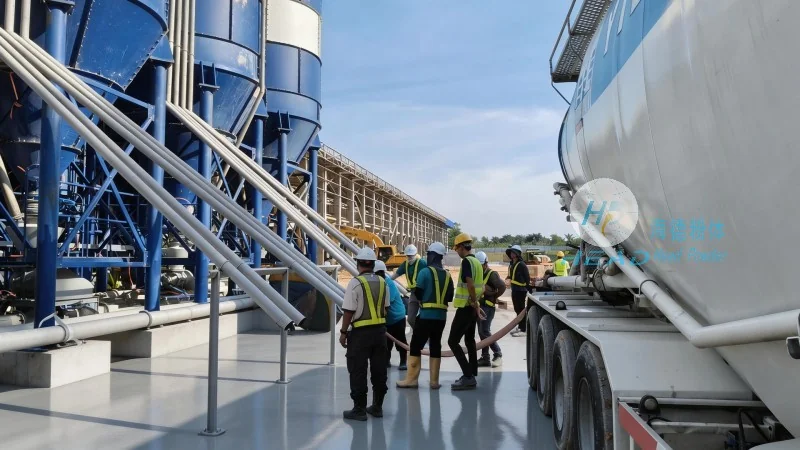
Pneumatic conveying equipment operates on the principle of transporting bulk materials, such as polyethylene resin powders, through a pipeline using a pressurized or vacuum air stream. The system typically consists of a hopper, a conveyor line, and a receiver, with the material being fed into the system and propelled by the air flow. For polyethylene resin powders, which are often fine and abrasive, the choice of conveying method—whether positive pressure, negative pressure, or a combination—plays a critical role in ensuring efficient and reliable material transport. The equipment must be designed to handle the specific properties of the resin, including its particle size, moisture content, and flowability, to prevent issues like blockages or degradation during transport.
Key Working Scene Characteristics
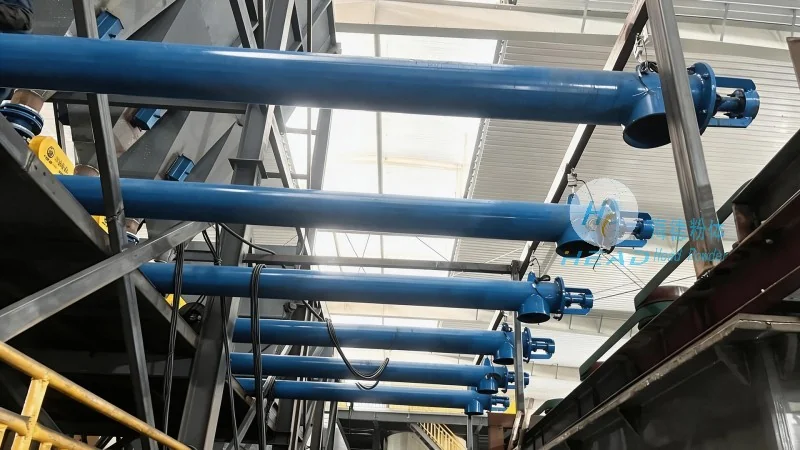
The operational characteristics of pneumatic conveying equipment for polyethylene resin powder materials are shaped by several factors that influence its performance in real-world industrial applications. First, the system's ability to maintain consistent material flow is paramount. This involves controlling the air pressure and flow rate to match the material's characteristics, ensuring that the powder moves smoothly without clogging or uneven distribution. Second, the equipment's durability and resistance to wear are critical, as polyethylene resin powders can be abrasive and may cause friction within the pipeline. High-quality materials, such as stainless steel or specialized coatings, are often used to protect the conveying components from corrosion and wear, extending the equipment's service life.
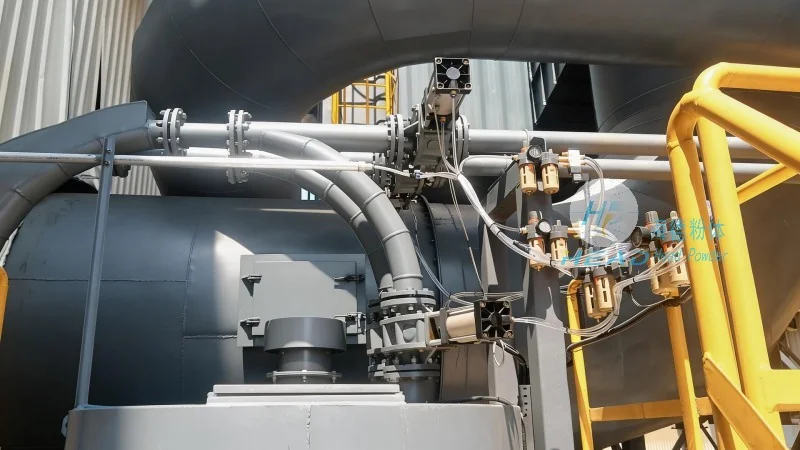
Third, the system's flexibility in handling varying production volumes is a key working scene characteristic. Industrial processes often require adjustments to material throughput, and the pneumatic conveying equipment must be able to adapt to these changes without compromising efficiency. This flexibility is achieved through adjustable air flow controls and modular components that can be easily reconfigured to meet changing production demands. Additionally, the equipment's integration with other industrial processes is another important factor. In many manufacturing settings, the polyethylene resin powder is used as an input for subsequent processes, such as extrusion or molding. The conveying system must be seamlessly integrated with these downstream processes to ensure a continuous and uninterrupted production flow.
Application Scenarios and Operational Efficiency
The working scene characteristics of pneumatic conveying equipment for polyethylene resin powder materials are evident in various industrial applications where efficient material handling is essential. For example, in the plastics manufacturing industry, these systems are commonly used to transport resin powders from storage silos to processing lines. The equipment's ability to handle fine powders without segregation or loss of material quality is crucial for maintaining product consistency. In addition, the system's compact design and ability to operate in confined spaces make it suitable for applications where traditional bulk handling methods may not be feasible. The operational efficiency of the equipment is further enhanced by its ability to minimize material waste and reduce labor costs associated with manual handling. By automating the transport process, the system improves overall productivity and reduces the risk of human error.
Conclusion: Tailored Solutions for Polyethylene Resin Powder Handling
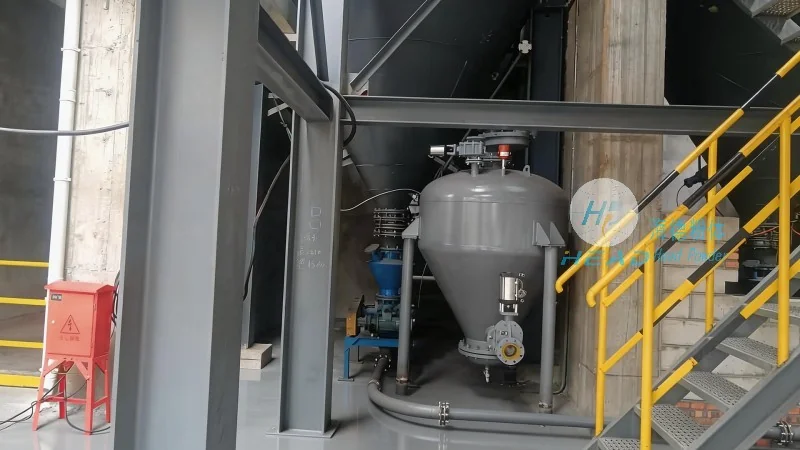
HeadPowder's pneumatic conveying equipment for polyethylene resin powder materials exemplifies the integration of advanced engineering principles with practical working scene considerations. By understanding the unique properties of polyethylene resin and the demands of industrial applications, the company has developed systems that offer reliable, efficient, and durable material handling solutions. The key working scene characteristics—consistent flow, durability, flexibility, and integration—ensure that the equipment performs optimally in diverse industrial settings, supporting the smooth operation of production processes and contributing to the overall success of manufacturing operations. With its headquarters in Shandong, China, HeadPowder continues to provide innovative solutions for the material handling needs of industries worldwide.