

How to Choose the Right Pneumatic Conveying System for Your Coal and Powder Handling Process?
When it comes to managing coal and powder handling processes, selecting the appropriate pneumatic conveying system is crucial for efficiency, reliability, and cost-effectiveness. The right system can significantly improve material transport, reduce downtime, and enhance overall operational performance. This guide aims to help you understand the key factors and considerations when choosing a pneumatic conveying system tailored to your specific coal and powder handling needs.
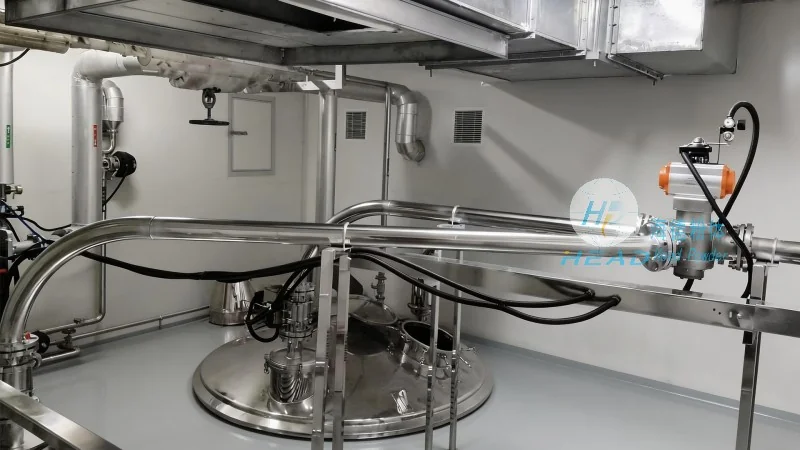
Understanding the Core Requirements of Coal and Powder Handling
Before diving into system selection, it's essential to assess the unique characteristics of your coal and powder materials. Factors such as particle size, density, moisture content, and flowability directly impact the choice of conveying technology. For instance, fine powders may require systems with higher air velocities or specialized equipment to prevent clogging and ensure smooth transport. Similarly, coarser coal particles might benefit from systems designed for higher bulk densities and lower air consumption. By thoroughly analyzing these material properties, you can narrow down the suitable pneumatic conveying options.
Key Factors Influencing Pneumatic Conveying System Selection
Several critical factors must be considered when evaluating pneumatic conveying systems for coal and powder applications. The first is the system's capacity and throughput requirements. Whether you need to transport small batches or large volumes, the conveying system must be capable of handling the desired flow rates without compromising efficiency. Another important factor is the distance and layout of the transport route. Horizontal, vertical, or a combination of both, the system design should align with the physical constraints of your facility. Additionally, energy efficiency and operational costs play a significant role. Systems that minimize air consumption and energy usage can lead to substantial long-term savings. Finally, maintenance and operational simplicity are vital for ensuring consistent performance and reducing downtime. A system that is easy to maintain and operate will contribute to higher overall productivity.
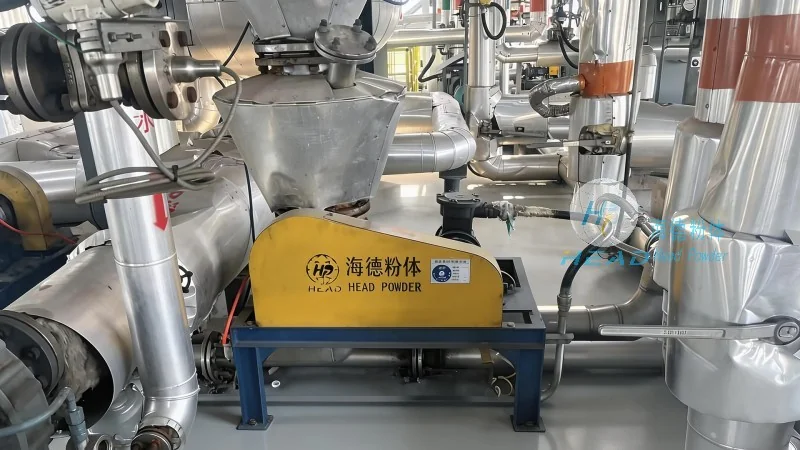
Types of Pneumatic Conveying Systems for Coal and Powder Handling
There are primarily two types of pneumatic conveying systems used in coal and powder handling: dilute-phase and dense-phase systems. Dilute-phase systems operate at higher air velocities, typically transporting materials in a suspended state. These systems are suitable for short to medium distances and are often used for fine powders. Dense-phase systems, on the other hand, operate at lower air velocities, creating a dense mixture of material and air. This method is ideal for transporting coarser materials over longer distances and is less prone to clogging. The choice between these systems depends on the material characteristics, distance, and desired flow rates. For example, a dilute-phase system might be preferred for transporting fine coal dust over a short distance, while a dense-phase system could be more suitable for moving larger coal particles over a longer route.
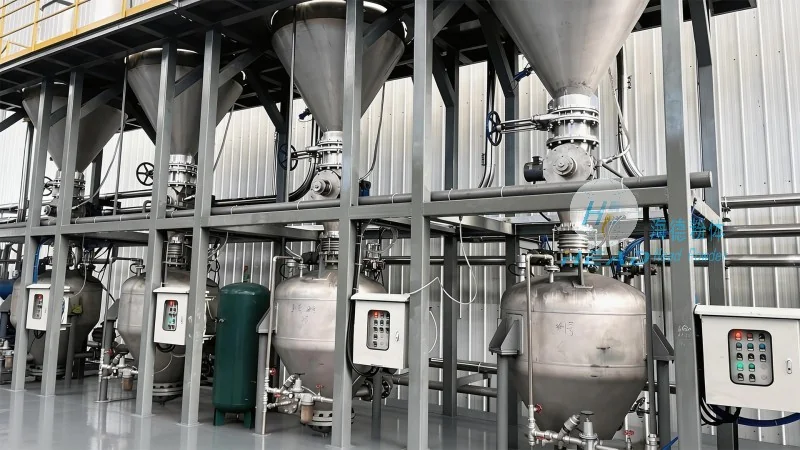
Role of HeadPowder in Providing Customized Solutions
Shandong HeadPowder Engineering Co., Ltd., a leading provider of engineering solutions for material handling, offers tailored pneumatic conveying systems designed to meet the specific needs of coal and powder handling processes. With a deep understanding of the industry and years of experience, HeadPowder specializes in developing customized solutions that optimize material transport efficiency. The company's expertise lies in assessing material properties, evaluating operational requirements, and designing systems that ensure reliable and cost-effective performance. By partnering with HeadPowder, you gain access to professional guidance and technical support throughout the entire process, from initial consultation to system installation and maintenance. The company's commitment to quality and customer satisfaction ensures that your chosen pneumatic conveying system meets the highest standards of performance and durability.
Conclusion: Making an Informed Decision for Your Coal and Powder Handling
Selecting the right pneumatic conveying system for your coal and powder handling process requires careful consideration of material characteristics, operational requirements, and system capabilities. By understanding the key factors and evaluating different system types, you can make an informed decision that enhances efficiency and reduces costs. Shandong HeadPowder Engineering Co., Ltd. stands ready to assist you in this process, providing expert guidance and customized solutions that align with your specific needs. With their comprehensive approach and commitment to quality, HeadPowder ensures that your material handling operations run smoothly and efficiently, contributing to your overall business success.