

Principle and Working Scene Characteristics of Pneumatic Conveying for Aluminum Hydride Powder Mater
Pneumatic conveying is a critical technology in material handling, particularly for handling powders like aluminum hydride. This method involves transporting bulk materials through a pipeline using air or other gas as the conveying medium. The process is widely adopted in industries where aluminum hydride is processed due to its unique properties and the need for efficient, safe material transport. Understanding the principles and operational characteristics of this technology is essential for optimizing material handling systems and ensuring process efficiency.
The Fundamental Principles of Pneumatic Conveying for Aluminum Hydride
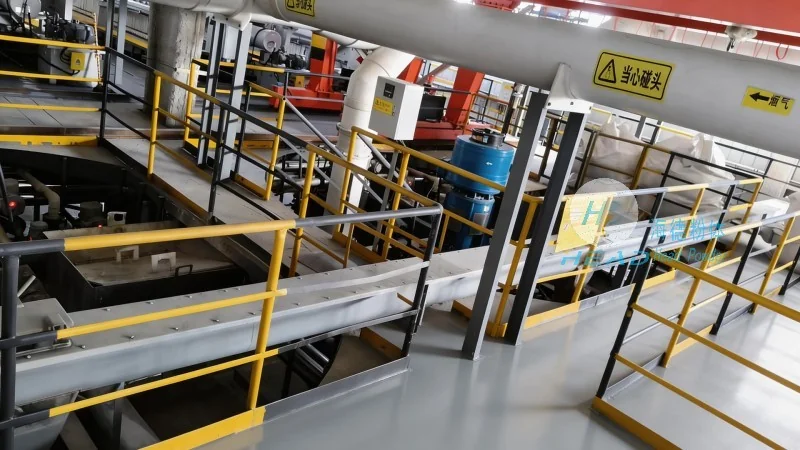
The core principle of pneumatic conveying for aluminum hydride powder lies in the use of air flow to move particles through a sealed system. The process typically involves a hopper or feeder that releases the powder into a pipeline, where it is entrained by a high-velocity air stream. The air velocity must be sufficient to overcome the gravitational forces and frictional resistance of the particles, ensuring stable and continuous transport. There are two main types of pneumatic conveying systems: dilute-phase and dense-phase. Dilute-phase systems operate at higher air velocities, suitable for lighter powders like aluminum hydride, while dense-phase systems use lower velocities and higher particle concentrations, often used for more abrasive or sensitive materials. For aluminum hydride, dilute-phase systems are commonly preferred due to the material's low density and the need for minimal pressure differentials. The conveying process relies on the balance between air velocity, particle size, and system pressure to maintain a stable flow. Proper design of the conveying line, including pipe diameter, length, and bends, is crucial to minimize pressure drop and prevent particle degradation or segregation.
Key Working Scene Characteristics of Aluminum Hydride Pneumatic Conveying
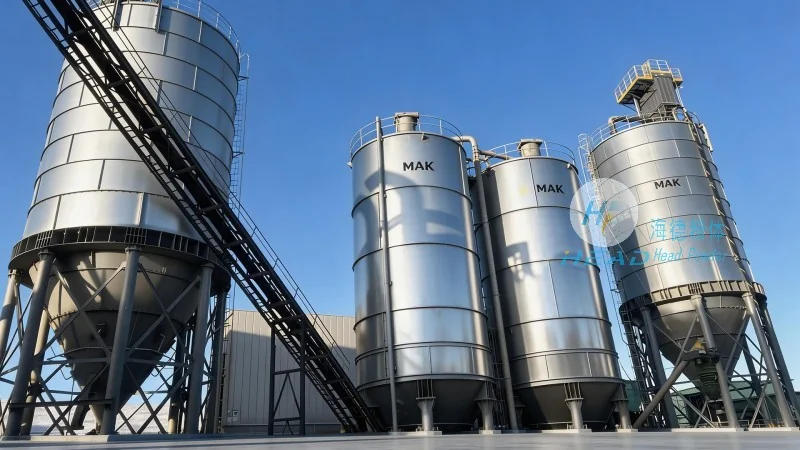
The operational characteristics of pneumatic conveying for aluminum hydride are shaped by several factors that influence system performance and safety. First, the material's reactivity and sensitivity to moisture and air are critical considerations. Aluminum hydride is hygroscopic and can react with water or oxygen, releasing hydrogen gas and heat. Therefore, conveying systems must be designed to minimize exposure to ambient air and moisture, often incorporating sealed hoppers and dry air or inert gas (like nitrogen) as the conveying medium. This ensures that the material remains stable during transport and reduces the risk of fire or explosion hazards. Second, the particle size distribution of aluminum hydride affects the conveying efficiency. Finer particles have a higher surface area and are more prone to segregation and caking, which can lead to blockages or uneven flow. Proper sizing and classification of the powder before conveying help maintain consistent particle size, improving system reliability. Third, the system's pressure and velocity requirements are tailored to the material's properties. Aluminum hydride is relatively light, with a density lower than many other industrial powders, which means lower air velocities and pressure drops are sufficient for transport. However, the material's reactivity means that the system must be equipped with pressure relief valves and explosion-proof components to handle any potential gas buildup. Additionally, the conveying line must be constructed from materials that are compatible with aluminum hydride, such as stainless steel or specialized plastics, to prevent corrosion or chemical reactions.
Applications and Operational Scenarios in Industrial Settings
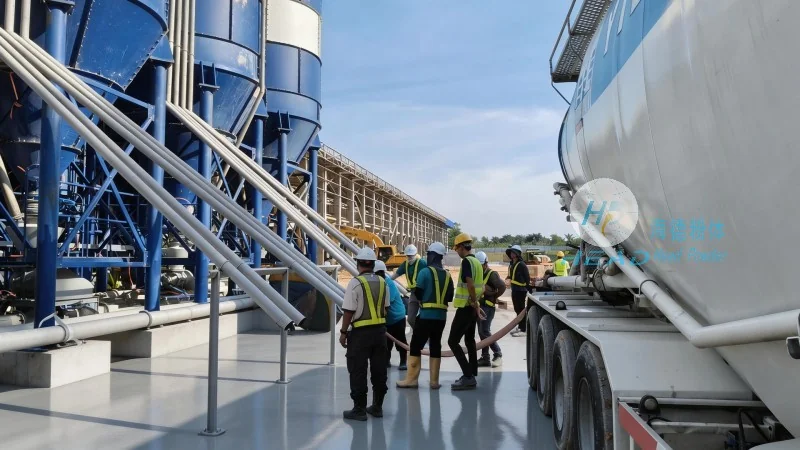
Pneumatic conveying of aluminum hydride is widely used in various industrial applications, including chemical manufacturing, pharmaceutical processing, and material processing plants. In chemical manufacturing, aluminum hydride is often used as a reducing agent or in the production of other aluminum compounds. The material is typically conveyed from storage silos to reactors or processing units, where it is mixed with other chemicals. The conveying system must be integrated with the process equipment to ensure a continuous and controlled feed, minimizing downtime and maintaining product quality. In pharmaceutical processing, aluminum hydride may be used as a raw material or in the production of active pharmaceutical ingredients (APIs). The strict regulatory requirements in this industry mean that the conveying system must meet high standards for cleanliness, contamination control, and safety. This includes using stainless steel components, implementing dust collection systems, and ensuring that the material is handled in a sterile environment. In material processing plants, aluminum hydride may be used as a catalyst or in the production of aluminum-based products. The operational scenarios vary depending on the specific application, but all require a reliable and efficient conveying system that can handle the material's unique properties. For example, in a plant producing aluminum alloys, aluminum hydride may be conveyed from a storage tank to a melting furnace, where it is added to the molten metal to adjust its properties. The system must be designed to handle the high temperatures and corrosive environment of the furnace, ensuring that the material is transported safely and without degradation.
Company Overview: Shandong HeadPowder Engineering Co., Ltd.
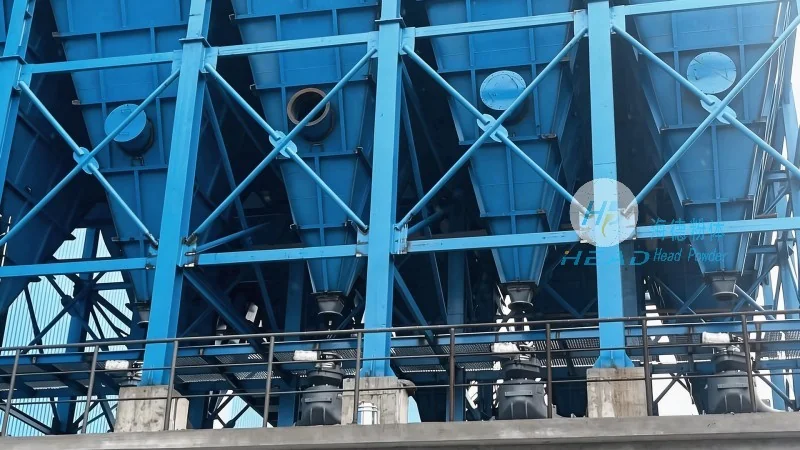
Shandong HeadPowder Engineering Co., Ltd. is a leading provider of material handling solutions, specializing in the design and implementation of pneumatic conveying systems for industrial powders, including aluminum hydride. With a focus on innovation and customer satisfaction, the company has developed advanced technologies to optimize material transport and ensure process efficiency. HeadPowder's expertise lies in understanding the unique properties of materials like aluminum hydride and designing systems that meet the specific needs of industrial applications. The company's team of engineers and technicians work closely with clients to assess their material handling challenges and provide tailored solutions. HeadPowder's facilities are located in Shandong, China, where the company operates a state-of-the-art research and development center, manufacturing facility, and customer support office. The company adheres to international quality standards and safety regulations, ensuring that all products and services meet the highest industry benchmarks. By leveraging its experience and expertise, HeadPowder helps clients improve their operational efficiency, reduce costs, and enhance safety in material handling processes.