

Principles and Working Scene Characteristics of Pneumatic Conveying for Seaweed Powder Materials
Seaweed powder, a valuable byproduct in the marine bioresource industry, often requires efficient material handling solutions for processing and distribution. Pneumatic conveying stands out as a key technology for transporting such powders, offering advantages in terms of hygiene, flexibility, and reduced contamination risks compared to traditional methods like belt conveyors or bucket elevators.
Understanding Pneumatic Conveying Principles
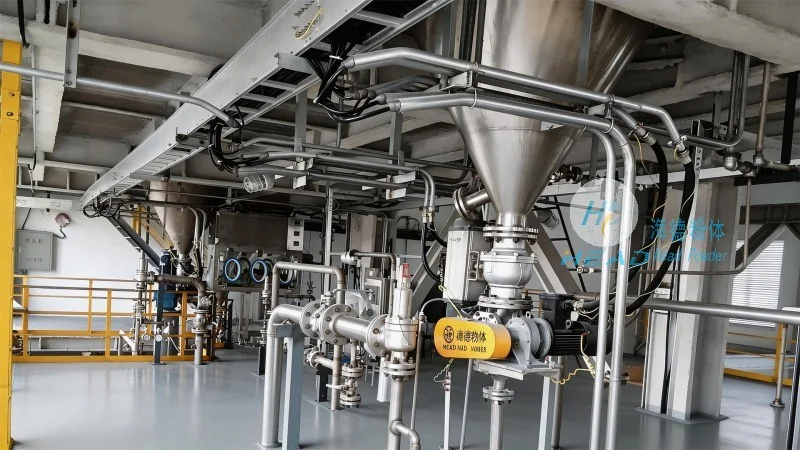
Pneumatic conveying systems operate by using compressed air or gas to move bulk materials through a pipeline. The core principle involves creating a pressure differential that propels the material along the conveying line. There are two primary types of pneumatic conveying: aspiration (or vacuum) systems and pressure systems. Aspiration systems use a vacuum at the receiving end to draw material from a source, while pressure systems utilize compressed air to push material from a source to a destination. For seaweed powder, which is often fine and prone to dusting, pressure systems are commonly preferred due to their ability to maintain consistent flow rates and minimize material degradation.
Key Working Scene Characteristics of Pneumatic Conveying for Seaweed Powder
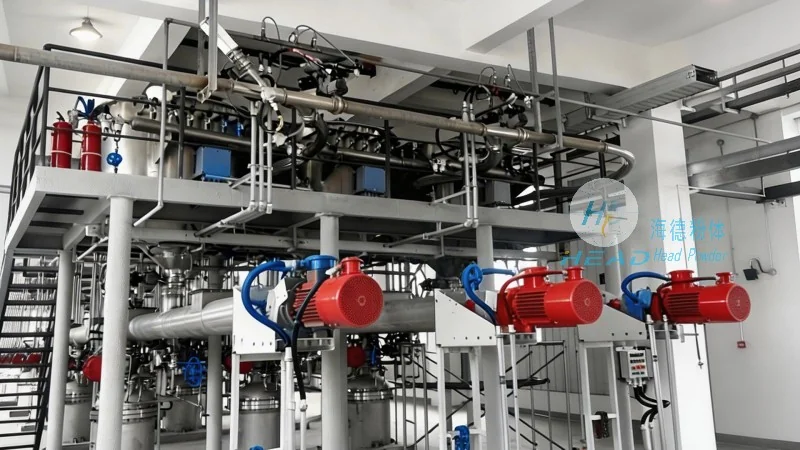
The application of pneumatic conveying in seaweed powder processing environments is defined by several critical characteristics that enhance operational efficiency and product quality. Firstly, hygienic and dust-free operation is paramount in food and pharmaceutical applications where seaweed powder is used. Pneumatic systems, especially when equipped with sealed pipelines and positive pressure control, prevent cross-contamination and maintain product purity. Secondly, flexibility in layout allows for the integration of conveying lines into existing production facilities without the need for extensive structural modifications. This is particularly beneficial in compact processing plants where space is limited. Thirdly, energy efficiency is a significant advantage, as modern pneumatic systems can achieve high material throughput with relatively low energy consumption compared to mechanical conveyors. Additionally, compactness of the system contributes to reduced footprint, making it suitable for both large-scale industrial operations and smaller processing units.
Application Scenarios in Industrial Processing
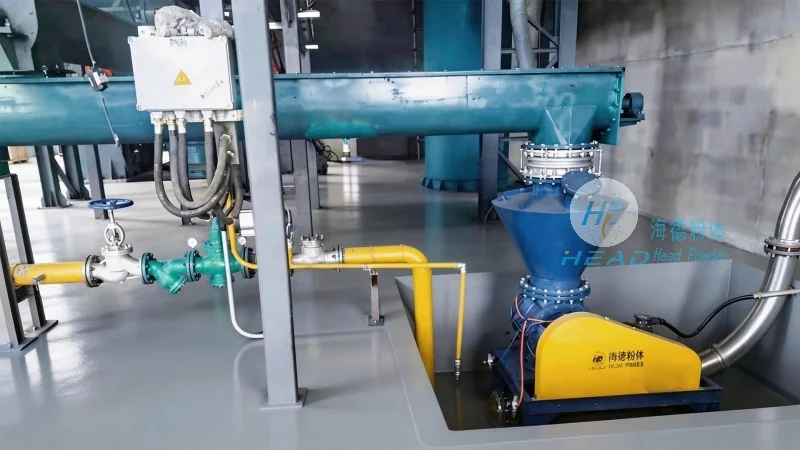
In industrial settings, pneumatic conveying for seaweed powder is widely used across various stages of the processing chain. For instance, in the initial drying and grinding stages, the material is often pneumatically conveyed from the drying chambers to grinding mills for size reduction. This ensures that the material is handled gently, preserving its nutritional and functional properties. During the blending and packaging phases, pneumatic systems efficiently transport the final seaweed powder to storage silos or packaging lines, maintaining consistent product quality and preventing agglomeration. Moreover, in research and development facilities, pneumatic conveying is utilized for small-scale testing and sample preparation, where precise control over material flow is essential.
Operational Considerations and Maintenance
Effective operation of pneumatic conveying systems for seaweed powder requires careful consideration of several factors. Material properties, such as particle size, moisture content, and bulk density, directly impact the system's performance. For example, fine particles may require higher air velocities to prevent blockages, while cohesive materials might need additional equipment like rotary valves or air knives to ensure smooth flow. Regular maintenance is also crucial to prevent system downtime. This includes cleaning of pipelines to avoid material buildup, checking air compressor performance, and inspecting seals for any leaks that could compromise system efficiency. By adhering to proper maintenance protocols, operators can ensure the longevity and reliability of the pneumatic conveying system.
About Shandong HeadPowder Engineering Co., Ltd.
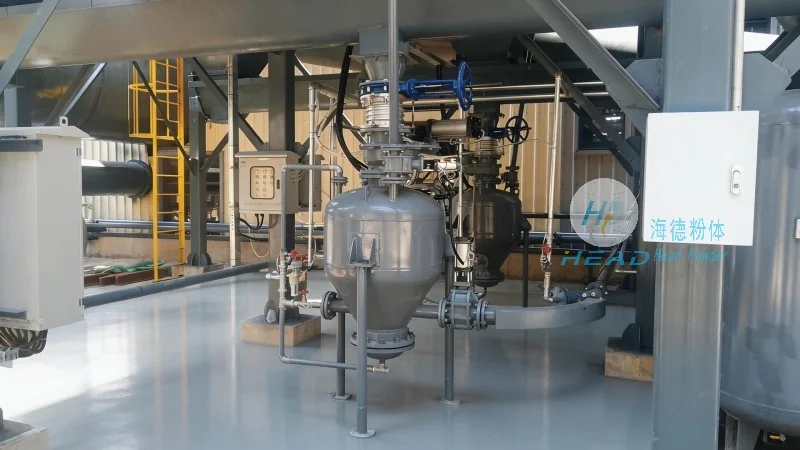
Shandong HeadPowder Engineering Co., Ltd., commonly known as HeadPowder, is a leading provider of specialized engineering solutions for material handling and processing in the marine bioresource sector. With a focus on innovation and customer-centric design, HeadPowder develops and manufactures pneumatic conveying systems tailored to the unique needs of seaweed powder and other fine powders. The company's headquarters is located in Shandong, China, where it leverages advanced technology and local expertise to deliver high-quality products and services to clients worldwide. HeadPowder's commitment to quality and efficiency has established it as a trusted partner in the industry, helping businesses optimize their material handling processes and enhance overall productivity.