Polycrystalline silicon powder pneumatic conveying lines are specialized systems designed to transport fine powders, such as polycrystalline silicon, through a pneumatic process. These systems utilize compressed air or other gases to move the material from one location to another, offering an efficient and often dust-free alternative to traditional mechanical conveying methods. The technology is widely adopted in the semiconductor and solar energy industries due to the unique properties of polycrystalline silicon, which require careful handling to maintain purity and prevent contamination.
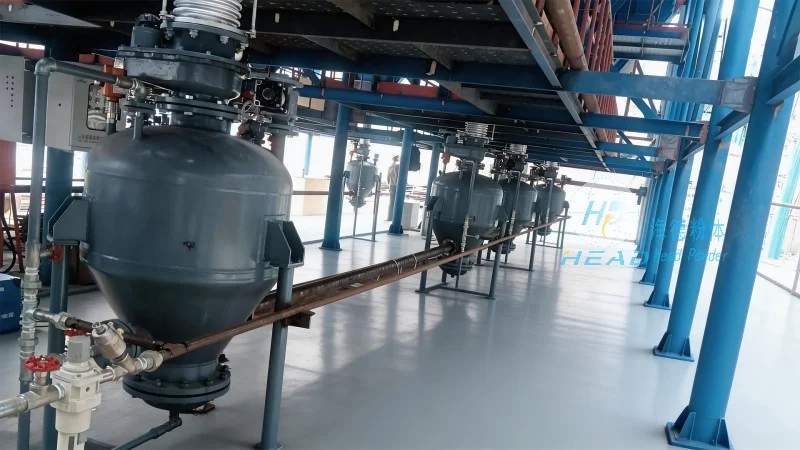
The Working Principle of Pneumatic Conveying Systems
The core principle of pneumatic conveying involves creating a flow of air or gas that carries the powder particles through a pipeline. This can be achieved through two main methods: dilute-phase and dense-phase conveying. In dilute-phase systems, the powder is suspended in the air stream, moving at high velocities, while in dense-phase systems, the powder is conveyed in a more concentrated form, often with lower air velocities. For polycrystalline silicon, which is a high-value material, dense-phase conveying is frequently preferred as it minimizes particle degradation and ensures consistent material quality. The system typically includes components like a hopper for material storage, a feeder to control the flow rate, a conveying line, and a receiver for the material at the destination. The entire process is controlled by a system of valves, sensors, and a control panel to ensure smooth operation and optimal performance.
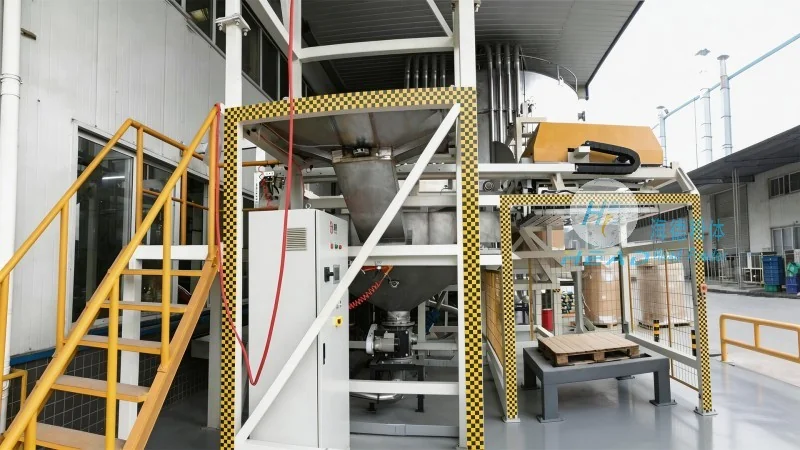
Key Working Scene Characteristics
The working scene characteristics of polycrystalline silicon powder pneumatic conveying lines are tailored to the specific requirements of industrial applications. These characteristics include high material purity, low contamination risk, and efficient handling of fine powders. In manufacturing environments, such as polysilicon production facilities, the system must be able to handle large volumes of material while maintaining the integrity of the product. The design of the conveying line often considers factors like the particle size distribution of the polycrystalline silicon, which can range from sub-micron to several microns, and the moisture content, as these factors affect the conveying efficiency and system performance. Additionally, the system must be compatible with the existing infrastructure of the facility, including the layout of the production floor and the integration with other processing equipment. The working scene may also involve different operational modes, such as continuous or batch conveying, depending on the production schedule and the needs of the downstream processes. For example, in a solar cell manufacturing plant, the conveying line may need to transport polycrystalline silicon from a storage silo to a reactor, where it will be further processed into solar cells. The system must be able to handle the material under these specific conditions, ensuring that the material reaches the reactor in the correct form and quantity.
Application Examples and Operational Efficiency
Polycrystalline silicon powder pneumatic conveying lines are applied in various industrial scenarios, particularly in the production of solar panels and semiconductor components. In these applications, the efficiency of the conveying system directly impacts the overall production throughput and cost. The system's ability to maintain a consistent flow rate and minimize downtime is crucial for maintaining production schedules. For instance, in a polysilicon production plant, the conveying line may need to transport several tons of material per hour, and any disruption in the system can lead to significant production losses. The design of the system, including the selection of the air compressor and the pipeline diameter, is optimized to achieve the required flow rate while minimizing energy consumption. The use of high-quality materials for the conveying line, such as stainless steel or special alloys, ensures that the system can withstand the corrosive nature of the polycrystalline silicon and the abrasive effects of the powder particles over time. This contributes to the long-term reliability and durability of the system, reducing maintenance costs and increasing the overall operational efficiency. Additionally, the integration of advanced control systems allows for real-time monitoring of the system's performance, enabling operators to detect and address any issues promptly. This proactive approach to maintenance helps to prevent system failures and ensures that the conveying line operates at peak efficiency throughout its service life.
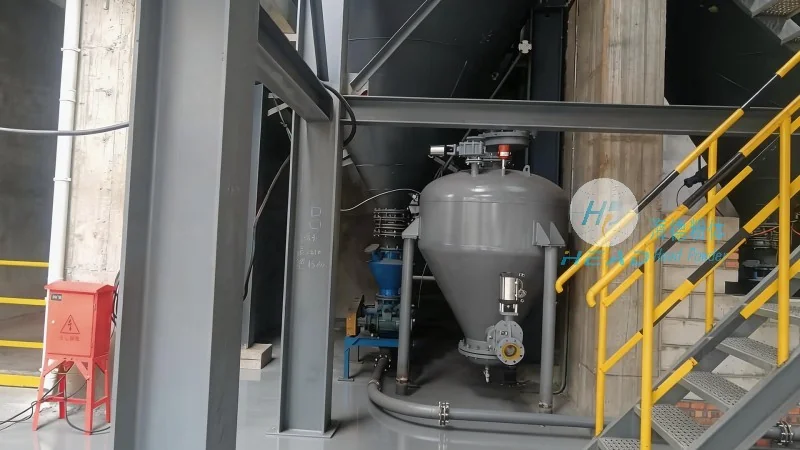
Conclusion and Company Overview
Polycrystalline silicon powder pneumatic conveying lines are essential equipment in the modern manufacturing of high-purity materials, particularly in the solar and semiconductor industries. The systems are designed to meet the stringent requirements of these industries, ensuring that the material is transported efficiently and without compromising its quality. As a leading manufacturer in this field, Shandong HeadPowder Engineering Co., Ltd. specializes in the design, manufacturing, and installation of such systems. With a focus on innovation and quality, HeadPowder provides customized solutions tailored to the specific needs of its clients. The company's facilities, located in Shandong, China, are equipped with advanced technology and skilled personnel to ensure that each system is built to the highest standards. By leveraging its expertise and experience, HeadPowder helps its clients to improve their production processes, reduce costs, and enhance their overall competitiveness in the market. The company's commitment to customer satisfaction and product excellence has made it a trusted partner for many leading manufacturers in the industry.




