

Principles and Application Scenarios of Pneumatic Conveying Equipment for Food Powders
HeadPowder, a leading manufacturer based in Shandong, China, specializes in the design and production of advanced pneumatic conveying systems tailored for the food industry. This article explores the fundamental principles behind these systems and highlights key application scenarios where they excel in handling food powders efficiently and safely.
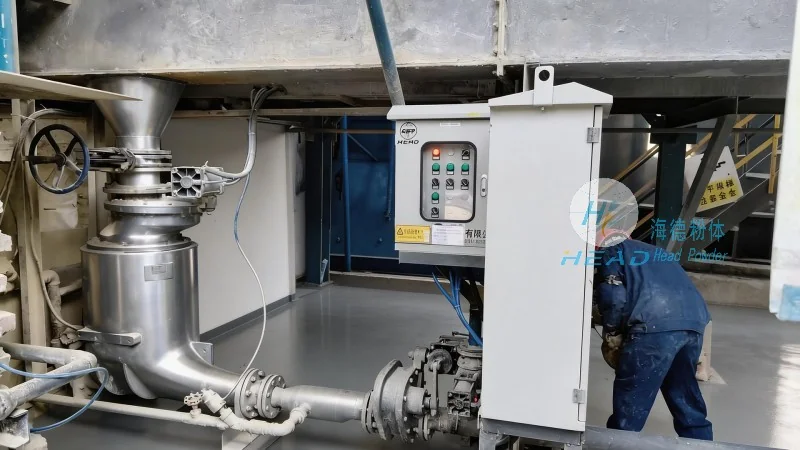
Understanding Pneumatic Conveying Principles
Pneumatic conveying, also known as air conveying, is a method of transporting bulk materials, including food powders, through a pipeline using pressurized or vacuum air. The core principle involves creating a flow of air that moves the powder particles along the pipeline. There are two primary types of pneumatic conveying systems: pressure and vacuum. Pressure systems use compressed air to push the material forward, while vacuum systems use a vacuum to pull the material from the source. For food powders, the choice of system depends on factors such as material characteristics, distance of transport, and the need for containment and hygiene.
Key Features of Food Powder Pneumatic Conveying Equipment
The equipment used in pneumatic conveying for food powders is engineered to meet stringent industry standards for cleanliness, durability, and efficiency. Key features include: hygienic design to prevent contamination, high-quality materials such as stainless steel to resist corrosion and maintain food safety, and modular construction that allows for easy cleaning and maintenance. Additionally, these systems often incorporate air filtration and separation technologies to ensure that only the desired powder reaches the destination, minimizing waste and improving product quality.
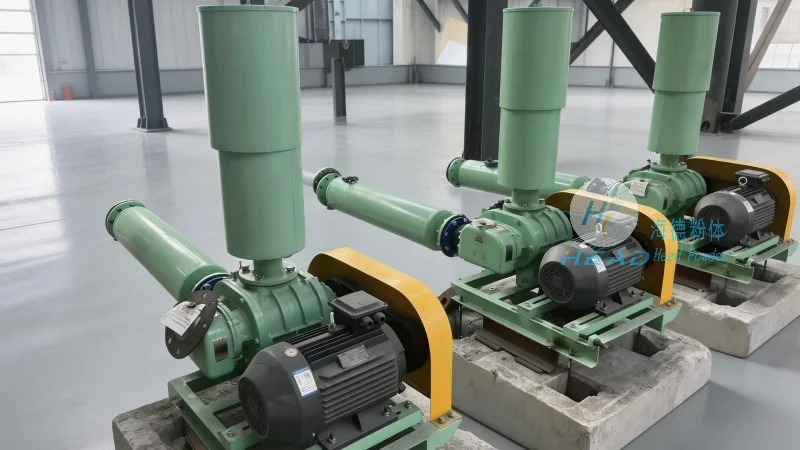
Common Application Scenarios in the Food Industry
Pneumatic conveying equipment is widely used across various stages of food processing. Some common application scenarios include: transporting raw materials such as flour, sugar, and spices from storage to production lines; moving finished products like powdered beverages or snack mixes from packaging lines to storage areas; and handling additives and other ingredients that require precise dosing and minimal exposure to air. In each of these scenarios, the equipment ensures that food powders are transported in a way that preserves their quality, maintains hygiene, and reduces the risk of cross-contamination.
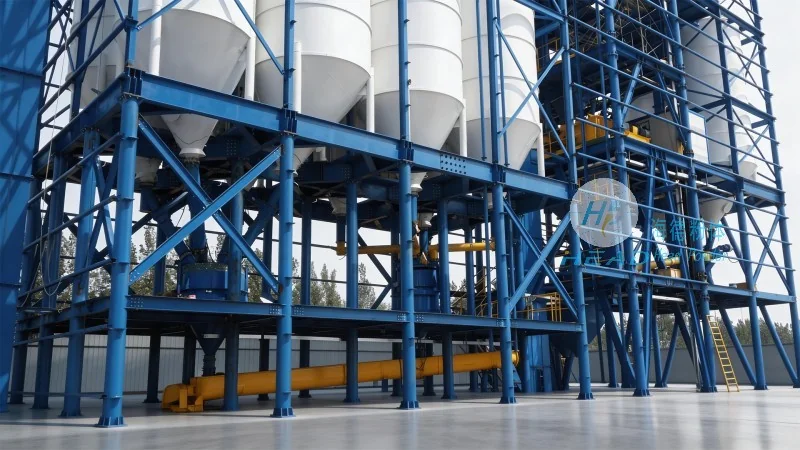
Benefits of Using Pneumatic Conveying for Food Powders
Implementing pneumatic conveying systems for food powders offers several advantages. These include enhanced hygiene and safety due to enclosed systems that prevent dust and contamination, flexibility in layout as pipelines can be installed in various configurations to suit plant designs, and energy efficiency compared to traditional methods like bucket elevators or belt conveyors. Furthermore, the systems can be integrated with other processing equipment, streamlining operations and improving overall productivity in food processing facilities.
Conclusion
For food processing companies seeking reliable and efficient solutions for handling powders, pneumatic conveying equipment from HeadPowder provides a robust and hygienic option. By understanding the principles and application scenarios of these systems, businesses can optimize their operations and ensure compliance with industry regulations. With a focus on quality and innovation, HeadPowder continues to deliver advanced pneumatic conveying solutions that meet the evolving needs of the food industry.