

Principle and Working Scene Characteristics of Fertilizer Granule Material Conveying Lines
HeadPowder, a leading manufacturer based in Shandong, China, specializes in the design and production of advanced fertilizer granule material conveying lines. These systems are engineered to efficiently transport bulk fertilizer granules from storage silos to processing units or packaging stations, ensuring smooth and reliable operation in agricultural and industrial settings.
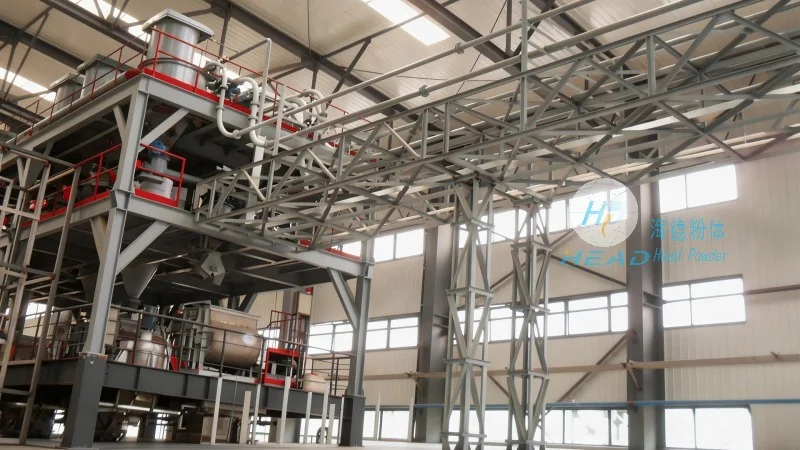
Understanding the Core Principle of Fertilizer Granule Conveying Systems
The fundamental principle behind fertilizer granule material conveying lines revolves around the use of mechanical components to move granular materials through a defined pathway. These systems typically incorporate components such as screw conveyors, belt conveyors, or pneumatic conveyors, each tailored to handle the specific characteristics of fertilizer granules—such as size, density, and moisture content. The design aims to minimize material degradation, prevent blockages, and maintain consistent flow rates, which are critical for maintaining production efficiency and product quality.
Key Components and Their Functions in the Conveying Line
At the heart of a fertilizer granule conveying line are several key components that work in tandem to ensure optimal performance. The primary components include the feed hopper, which collects granules from storage and feeds them into the conveyor system; the conveyor itself, which transports the material through the line; and the discharge mechanism, which delivers the granules to the next stage of processing. Additionally, many systems incorporate control panels, sensors, and safety features to monitor and regulate the conveying process, ensuring that any deviations are detected and addressed promptly.
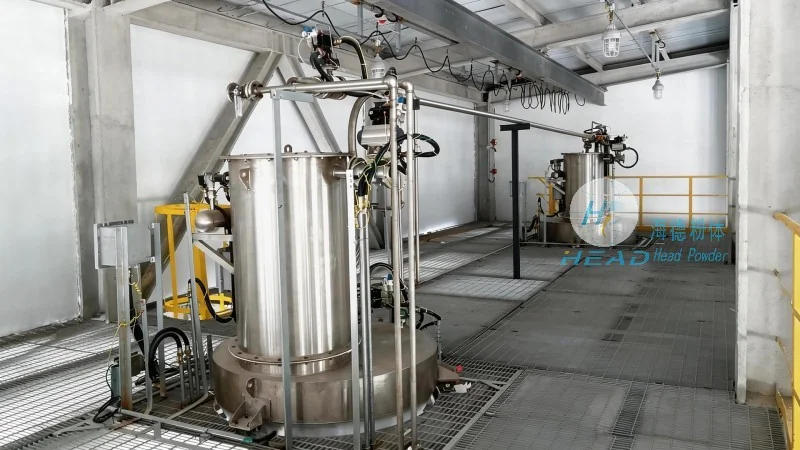
Working Scene Characteristics: Industrial and Agricultural Applications
Fertilizer granule conveying lines are widely used in both industrial and agricultural contexts, each with distinct operational requirements and characteristics. In industrial fertilizer production facilities, these systems are often integrated into large-scale processing lines, where they handle high volumes of granules at high speeds. The working environment is typically characterized by heavy-duty equipment, automated controls, and a focus on maximizing throughput and minimizing downtime. In contrast, agricultural applications may involve smaller-scale systems used for on-farm storage and distribution, where the focus is on reliability and ease of maintenance.
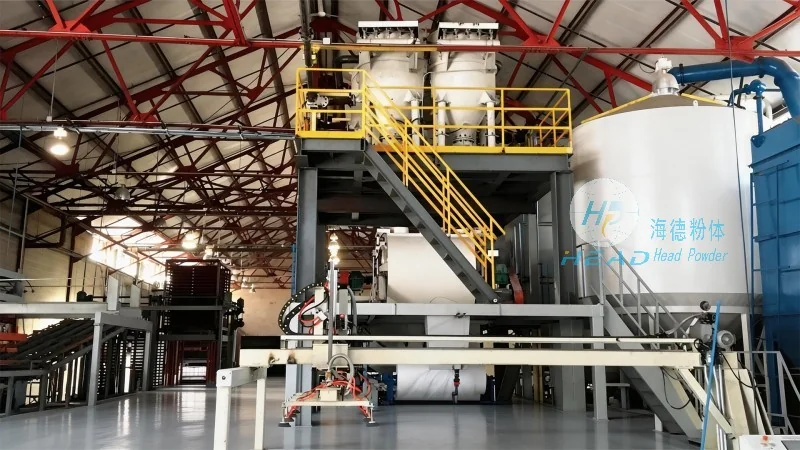
Advantages of HeadPowder's Conveying Solutions
HeadPowder's fertilizer granule material conveying lines are designed to address the unique challenges of handling fertilizer granules, offering several advantages over traditional conveying methods. These include improved material handling efficiency, reduced risk of product contamination, and enhanced operational safety. The company's expertise in material flow engineering ensures that each system is customized to meet the specific needs of the client, whether it's a large-scale industrial operation or a smaller agricultural setup.
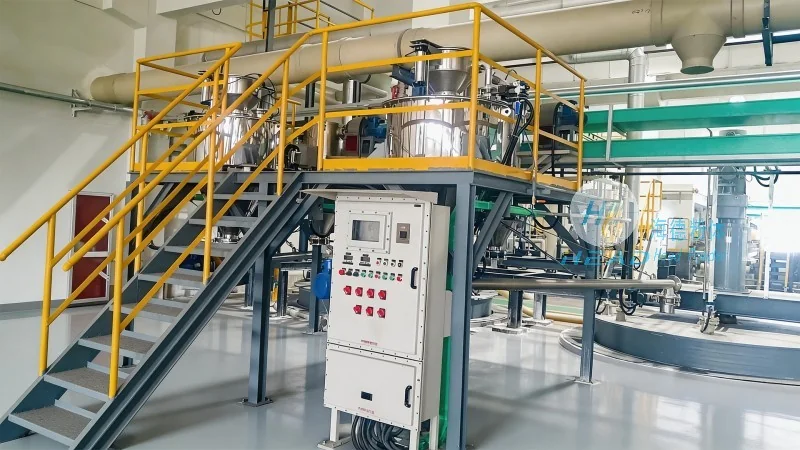
Customization and Adaptability for Diverse Operational Needs
One of the key strengths of HeadPowder's conveying lines is their adaptability to diverse operational needs. The company offers a range of customization options, including different conveyor types, material handling capacities, and control systems, allowing clients to select the most suitable solution for their specific application. This flexibility ensures that the conveying line can be integrated seamlessly into existing production processes or serve as a standalone system, depending on the client's requirements.
Ensuring Reliability and Longevity in Fertilizer Handling
Reliability and longevity are paramount when handling fertilizer granules, as these materials are often in high demand and require consistent quality. HeadPowder's conveying lines are constructed using high-quality materials, such as stainless steel and corrosion-resistant components, to withstand the harsh conditions of fertilizer processing. Regular maintenance and quality control measures are also implemented to ensure that the systems operate efficiently over their lifespan, minimizing downtime and maintenance costs.