

Principle and Working Scene Features of Barley Malt Material Conveying Lines
Barley malt material conveying lines are critical components in the brewing industry, engineered to efficiently transport malt from storage to processing stages. These systems are designed to handle the unique physical properties of barley malt, ensuring minimal degradation and consistent quality for optimal brewing outcomes.
Operational Principles of Barley Malt Conveying Systems
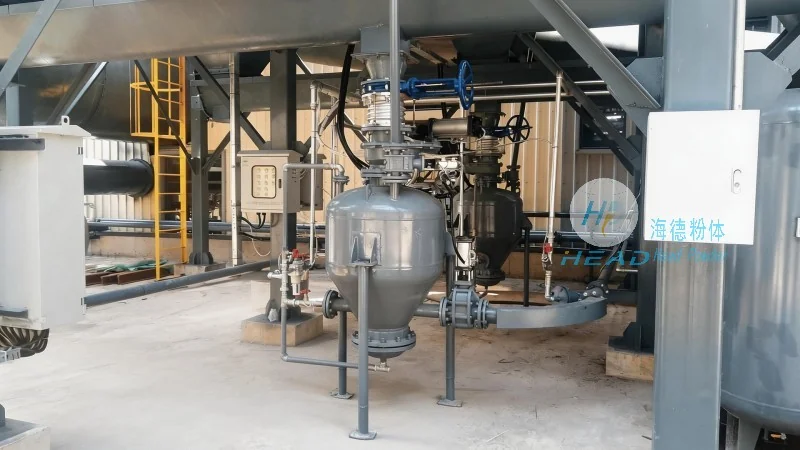
The fundamental principle of barley malt material conveying lines is to provide a reliable, gentle, and efficient method for moving malt from storage silos or bins to mashing or grinding equipment. The systems typically incorporate components like conveyor belts, screw conveyors, or pneumatic systems, each selected based on the malt's moisture content, bulk density, and susceptibility to breakage. The design prioritizes preserving the malt's integrity, maintaining its enzymatic activity and structural quality for superior brewing performance.
Key Working Scene Characteristics
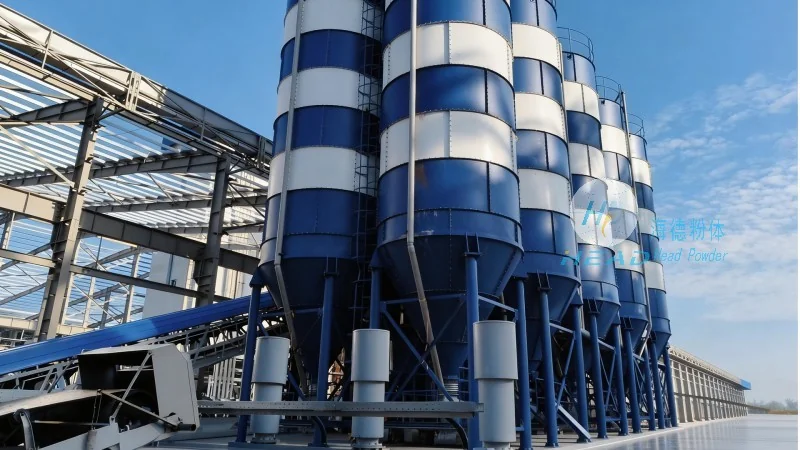
HeadPowder Engineering, headquartered in Shandong, China, specializes in creating tailored conveying solutions for malt handling. The working scene characteristics of these lines include high-capacity throughput, accommodating large volumes during peak production periods. Additionally, the systems are built for durability and low maintenance, ensuring continuous operation in industrial brewing environments. Flexibility is a key feature, allowing integration with existing brewery infrastructure and adapting to various production scales and layouts. Safety features such as overload protection and emergency stop mechanisms are integrated to safeguard equipment and personnel during operation.
Application-Specific Design Considerations
For different brewing processes, the conveying lines are customized. For example, in malting operations moving malt from drying to storage, systems may combine belt conveyors and elevators for vertical and horizontal transport. During brewing, lines are optimized for gentle handling to preserve enzymatic activity. Construction materials like food-grade stainless steel are used to prevent contamination and meet industry standards. Automated control systems enable real-time monitoring and adjustment of conveying speed and direction, enhancing operational control and efficiency.
Advantages in Industrial Brewing
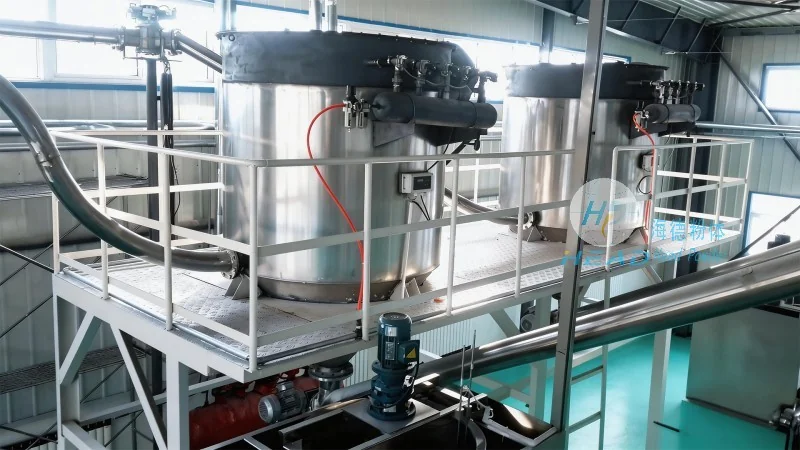
Implementing a well-designed barley malt material conveying line from HeadPowder Engineering offers several benefits. Firstly, it reduces labor costs by automating manual handling, minimizing human error and product damage. Secondly, consistent malt flow ensures uniformity in brewing, leading to better product quality and consistency. Thirdly, energy-efficient designs lower operational costs, making them a cost-effective solution for breweries of all sizes. Durability and low maintenance requirements further contribute to long-term savings and operational reliability.