

Principle and Working Scene Characteristics of Ore and Sand Material Conveying Lines
HeadPowder, a leading engineering firm based in Shandong, China, specializes in the design and implementation of ore and sand material conveying systems. These systems are critical for efficiently transporting bulk materials in various industrial settings, and understanding their principles and operational characteristics is essential for optimizing material handling processes.
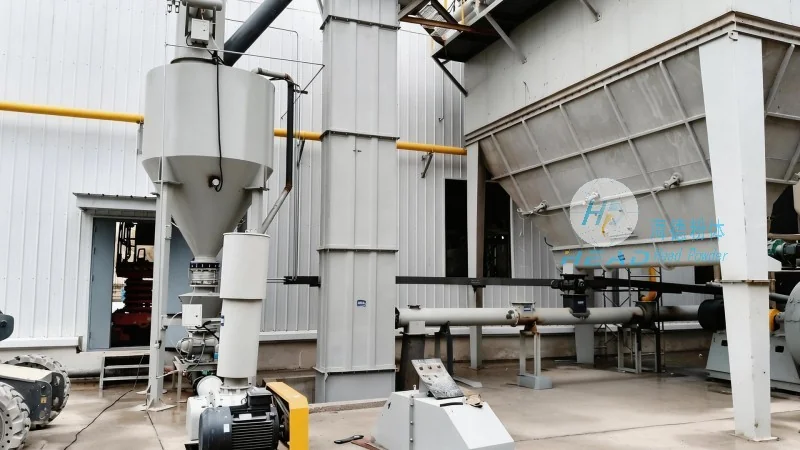
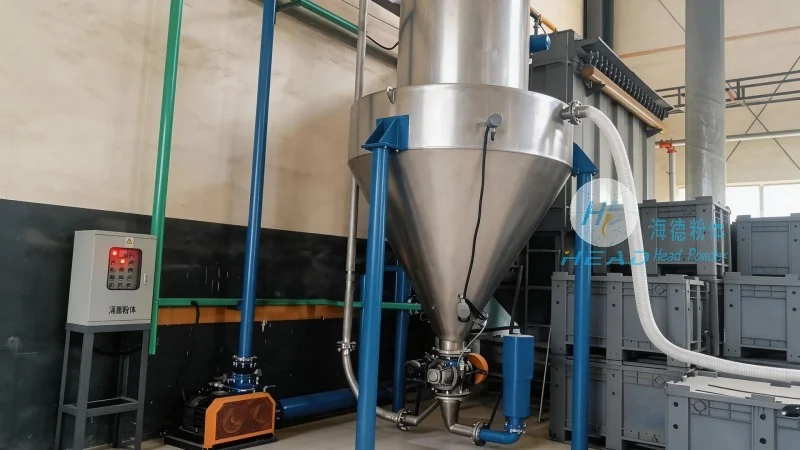
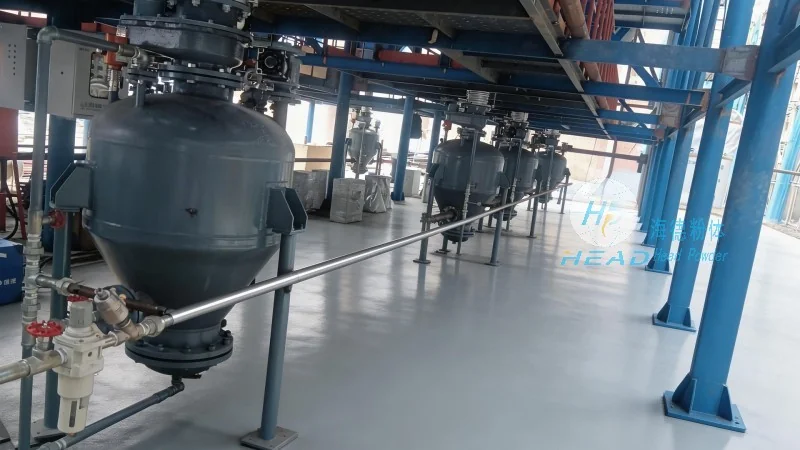
Principle of Ore and Sand Material Conveying Lines
The core principle of ore and sand material conveying lines lies in the mechanical transfer of bulk materials from a source to a destination through a series of components. These systems typically consist of a drive unit, conveyor belts or chains, idlers, pulleys, and a frame structure. The drive unit, often powered by electric motors, provides the necessary force to move the material along the conveyor path. The conveyor belt, made from durable materials such as rubber or synthetic fabrics, supports the material and transports it through the system. Idlers, which are rollers mounted along the conveyor, help maintain the belt's tension and alignment, ensuring smooth operation. Pulleys, positioned at the ends and bends of the conveyor, guide the belt and facilitate changes in direction. The frame structure provides stability and support for the entire system, allowing it to withstand the weight and stress of the materials being transported. The drive unit converts electrical energy into mechanical power, which is transmitted to the conveyor belt through a gearbox or direct drive mechanism. This power enables the belt to move continuously, carrying the material from the loading point to the discharge point. The idlers play a crucial role in maintaining the belt's tension, preventing it from sagging and ensuring consistent material support. The pulleys, including drive pulleys and return pulleys, guide the belt's movement and allow for changes in direction, such as horizontal or vertical inclines. The frame structure, constructed from robust steel or aluminum, provides structural integrity, allowing the system to handle the weight and dynamic loads of the materials being transported. This integrated approach ensures efficient and reliable material movement, minimizing energy consumption and maximizing throughput.
Working Scene Characteristics of Ore and Sand Material Conveying Lines
The working scene characteristics of ore and sand material conveying lines are defined by their adaptability to diverse industrial environments and material types. These systems are commonly used in mining operations, where they transport crushed ore and sand from processing plants to storage facilities or for further processing. In the construction industry, they are employed to move sand, gravel, and other aggregates from quarries or stockpiles to construction sites, enhancing material flow efficiency. Industrial applications also benefit from these systems, as they handle bulk materials like coal, cement, and chemical powders, ensuring consistent and reliable delivery. The design of these conveying lines is tailored to specific operational requirements, such as the type of material (e.g., abrasive, heavy, or fine), the required throughput capacity, and the distance over which materials need to be transported. This adaptability makes ore and sand material conveying lines versatile solutions for various material handling challenges. In mining environments, the conveying lines are designed to handle heavy, abrasive materials, often requiring reinforced belts and specialized idler systems to withstand the harsh conditions. The systems are also integrated with dust control measures, such as sealing and filtration, to maintain air quality. In construction sites, the systems are optimized for compactness and high throughput, allowing for rapid material movement and efficient site operations. The industrial applications, including cement plants and chemical manufacturing facilities, utilize these conveying lines to transport bulk materials like coal and powders, ensuring smooth production processes and minimizing material loss. The adaptability of these conveying lines to different material types and operational requirements makes them indispensable in various industrial settings.