

Principle and Working Scene Characteristics of Fine Material Conveying Systems
For industries dealing with small and fine materials, efficient and reliable material handling is crucial. The fine material conveying system, often referred to as a fine material conveyor, plays a vital role in transporting powders, granules, and other small particles. This system is designed to handle materials with particle sizes typically ranging from a few microns to several millimeters, making it essential in sectors such as pharmaceuticals, food processing, chemical manufacturing, and more. Understanding the principle and working scene characteristics of such systems is key to optimizing production processes and ensuring product quality.
Principle of Fine Material Conveying Systems
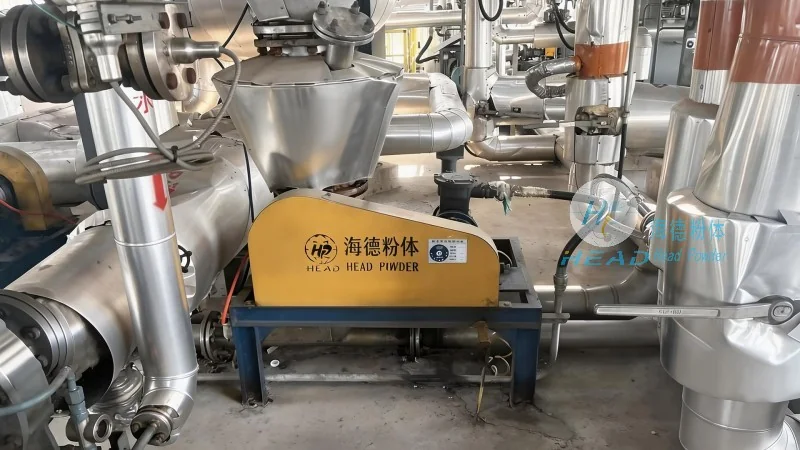
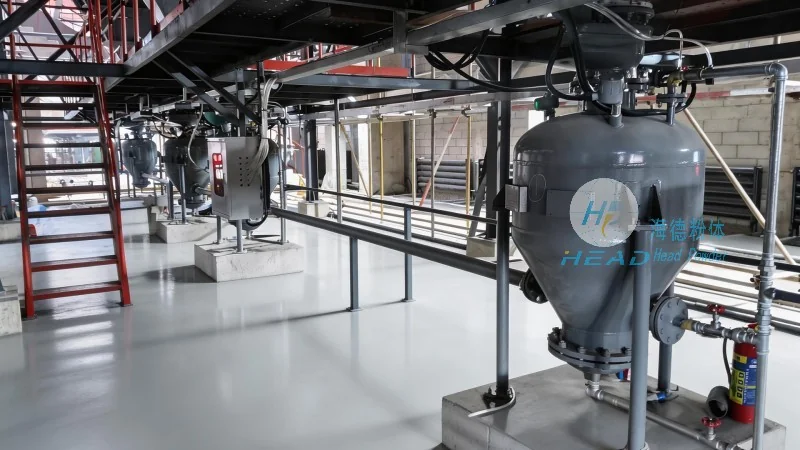
The core principle of a fine material conveying system, as exemplified by solutions from Shandong HeadPowder Engineering Co., Ltd. (headpowder), lies in its ability to transport materials through a series of mechanisms that minimize particle degradation and ensure consistent flow. These systems typically employ a combination of components, including feeders, conveyors, and control units, to achieve seamless material movement. The feeding mechanism, often a screw feeder or a rotary valve, ensures that the material is fed into the conveyor at a controlled rate, preventing overloading and maintaining uniform flow. The conveyor itself, which can be a belt conveyor, a pneumatic conveyor, or a screw conveyor, moves the material from the input point to the output point. Control systems, such as PLCs (Programmable Logic Controllers), monitor and adjust the speed and pressure to maintain optimal performance. The entire system is designed to handle fine materials without causing segregation, agglomeration, or loss of product quality, which is critical in industries such as pharmaceuticals, food processing, and chemical manufacturing.
Working Scene Characteristics of Fine Material Conveying Systems
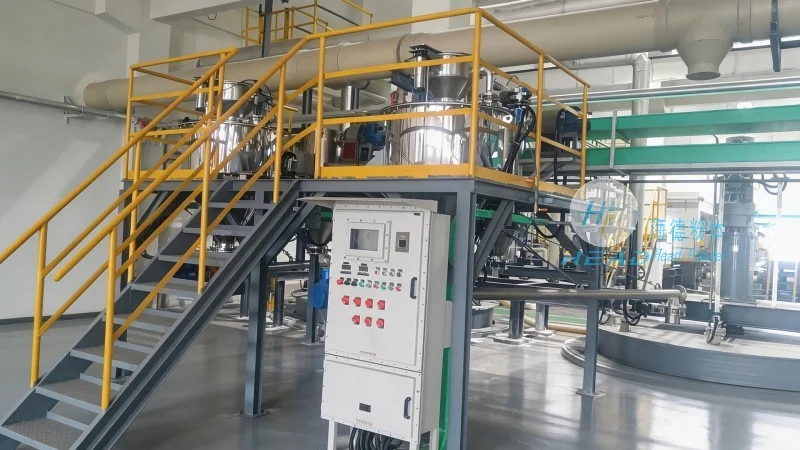
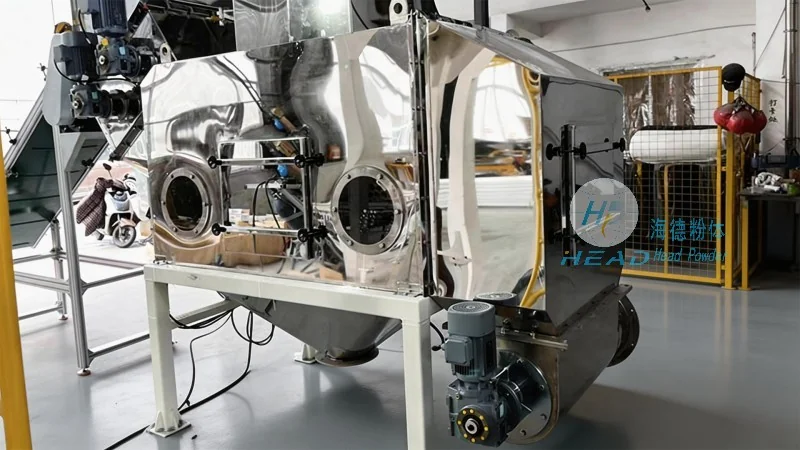
The working scene characteristics of fine material conveying systems vary based on the specific application and industry. In pharmaceutical manufacturing, for example, the system must adhere to strict hygiene and contamination control standards. This means using materials like stainless steel and incorporating features like easy cleaning and sanitization. The conveyor speed is often adjustable to accommodate different batch sizes and production rates. Solutions from Shandong HeadPowder Engineering Co., Ltd. (headpowder) offer customized designs that meet these stringent requirements, ensuring compliance with regulatory standards. In food processing, the system may need to handle materials that are sensitive to temperature and moisture, requiring temperature-controlled environments and materials that are food-grade. The working scene also considers the space available in the facility, as these systems can be designed in various configurations, including horizontal, vertical, or inclined setups, to fit into existing production lines. The system's ability to handle different material properties, such as density, flowability, and moisture content, is another key characteristic. This adaptability allows the system to be used in diverse applications, from processing raw materials to packaging finished products. Additionally, the system's energy efficiency and maintenance requirements are important working scene characteristics, as they impact the overall operational costs and downtime of the production process. headpowder's fine material conveying systems are engineered to provide optimal performance in these varied working scenes, ensuring reliable and efficient material handling.
Applications and Industry Integration
Fine material conveying systems are widely used across various industries due to their versatility and efficiency. In the chemical industry, these systems are used to transport raw chemicals and finished products, ensuring safe and controlled handling. The system's ability to handle abrasive materials and corrosive substances is a significant advantage in this sector. In the food industry, the system is used to convey ingredients like flour, sugar, and spices, maintaining product freshness and preventing cross-contamination. The pharmaceutical industry relies on fine material conveying systems to transport active pharmaceutical ingredients (APIs) and excipients, with strict controls to prevent contamination and ensure product purity. The system's design, which often includes enclosed and sealed components, helps maintain the integrity of the materials being transported. In the agricultural sector, fine material conveying systems are used to handle grain, seeds, and other agricultural products, facilitating efficient storage and processing. The system's ability to handle bulk materials and its low maintenance requirements make it suitable for agricultural applications. Overall, the working scene characteristics of these systems are tailored to meet the specific needs of each industry, ensuring that the material is handled safely, efficiently, and in compliance with industry standards.