For industrial applications involving the handling of lithium iron phosphate (LiFePO₄) materials, understanding the principles and operational characteristics of pneumatic conveying systems is crucial. This article provides an in-depth exploration of how pneumatic conveying works with LiFePO₄, with a focus on practical applications and working environment considerations. The insights shared are based on the expertise of Shandong HeadPowder Engineering Co., Ltd., a leading provider of specialized material handling solutions.
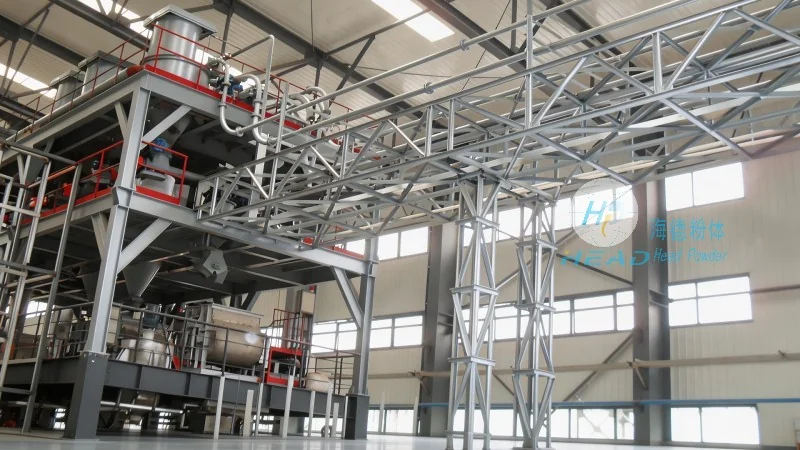
Introduction to Lithium Iron Phosphate and Pneumatic Conveying
Lithium iron phosphate (LiFePO₄) is a widely used cathode material in lithium-ion batteries, valued for its stability, safety, and long cycle life. In industrial settings, the efficient and safe transportation of LiFePO₄ powders is essential to maintain production efficiency and product quality. Pneumatic conveying offers a non-contact, dust-free method for moving these powders, making it an ideal solution for many processing environments. The material's properties, such as its particle size distribution, density, and flowability, influence the design and performance of the conveying system.
The Principle of Pneumatic Conveying for LiFePO₄
Pneumatic conveying operates by using air or gas to transport solid particles through a pipeline. The process typically involves a blower or compressor that generates airflow, which draws or pushes the material through the system. For LiFePO₄, the conveying system must be engineered to handle the specific characteristics of the powder, ensuring minimal degradation during transport. The principle involves creating a pressure differential that moves the material from the source to the destination, with the system designed to maintain consistent flow rates and pressure levels.
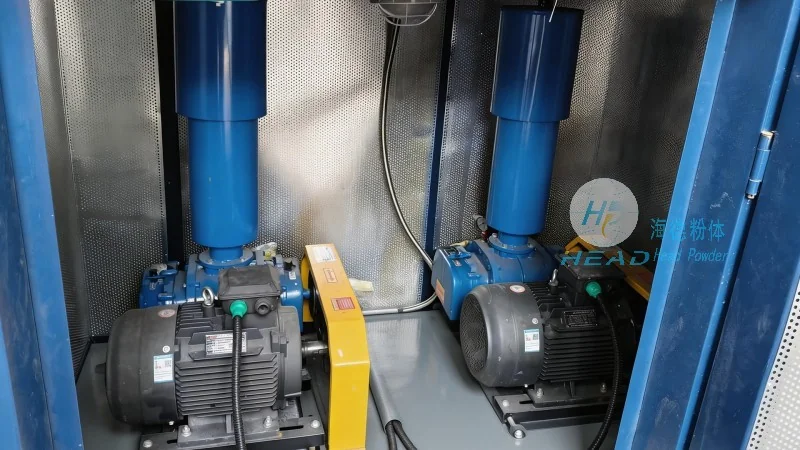
Key Working Scene Characteristics
The working scene characteristics of LiFePO₄ pneumatic conveying systems are shaped by several factors, including operational scale, environmental safety requirements, process integration, and energy efficiency. These characteristics help determine the most suitable system for a given application.
1. Scale and Capacity Considerations
The scale of the operation, whether it is a small-scale laboratory setup or a large-scale industrial production line, directly impacts the design of the pneumatic conveying system. For large-scale applications, high-capacity systems are required to handle the volume of LiFePO₄ material efficiently. The system must be capable of maintaining consistent flow rates and pressure levels to ensure smooth operation. In contrast, smaller systems may use lower airflow rates and simpler components, tailored to the specific needs of the process. The capacity of the system is often determined by the production rate of the LiFePO₄ material and the distance it needs to be transported.
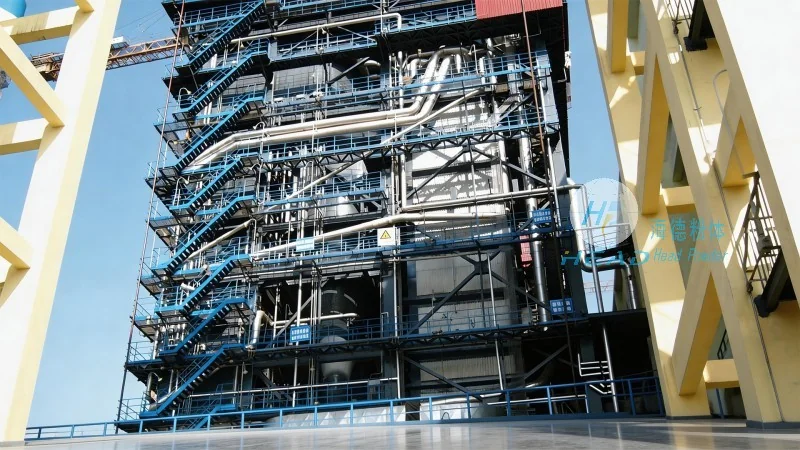
2. Environmental and Safety Requirements
LiFePO₄ powders are typically handled in environments where dust control and safety are paramount. Pneumatic conveying systems are designed to minimize dust generation and exposure, which is critical for maintaining a safe working environment. The systems often incorporate features such as dust collection, filtration, and explosion-proof designs to comply with industrial safety standards. This ensures that the handling of LiFePO₄ is carried out in a manner that protects both personnel and equipment. The working environment may also require the system to operate in controlled temperature and humidity conditions to prevent material degradation.
3. Material Handling and Process Integration
The integration of the pneumatic conveying system with the overall production process is another key characteristic. The system must be compatible with existing equipment, such as mixers, extruders, and storage silos. This integration allows for seamless material flow from one stage of the production line to the next, enhancing overall efficiency. The design of the conveying system must also consider the potential for material segregation or agglomeration, which can affect the quality of the final product. For example, in battery manufacturing, the system may need to transport LiFePO₄ powders from storage silos to mixing and extrusion equipment without causing particle size changes.
4. Energy Efficiency and Maintenance
Energy efficiency is a significant consideration in the operation of pneumatic conveying systems, especially for large-scale industrial applications. The system design should aim to minimize energy consumption while maintaining the required conveying capacity. This may involve optimizing the airflow rate, using energy-efficient blowers, and implementing proper maintenance schedules to ensure the system operates at peak performance. Regular maintenance is crucial to prevent system downtime and ensure the longevity of the equipment. The maintenance plan typically includes checking air filters, inspecting pipeline integrity, and verifying the performance of the blower or compressor.
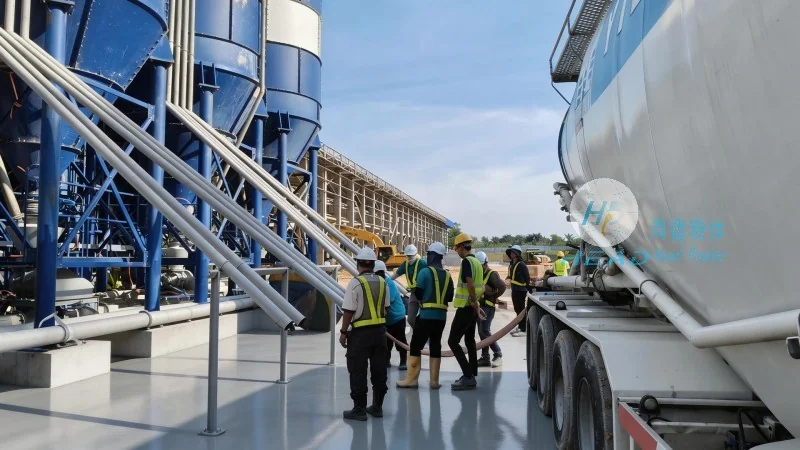
Applications and Practical Scenarios
LiFePO₄ pneumatic conveying systems are used in various industrial applications, including battery manufacturing, material processing, and chemical production. The specific working scene characteristics vary depending on the application. For example, in battery production, the system may be used to transport LiFePO₄ powders from storage silos to mixing and extrusion equipment. In material processing plants, it may be used to move the powder between different processing stages, such as drying, grinding, and packaging. The practical scenarios also include handling LiFePO₄ in research and development laboratories, where precise control over material transport is required.
Conclusion
In conclusion, the principle of pneumatic conveying for lithium iron phosphate involves using air to transport the powder through a pipeline, with the system designed to handle the specific properties of the material. The working scene characteristics, including scale, environmental safety, process integration, and energy efficiency, are critical factors in determining the effectiveness of the system. By understanding these aspects, industries can select and implement the most suitable pneumatic conveying solution for their LiFePO₄ handling needs, ensuring efficient and safe operation. The expertise of companies like Shandong HeadPowder Engineering Co., Ltd. plays a vital role in designing and deploying these systems to meet the specific requirements of modern industrial applications.




