

Working Principle and Features of Ferrous Sulfate Material Pneumatic Conveyor
For industries handling ferrous sulfate, efficient material transport is essential. The pneumatic conveyor system engineered for ferrous sulfate material offers a reliable solution that integrates advanced technology with practical application. This article examines the working principle and key features of such a system, highlighting how it addresses the unique handling challenges of this chemical compound.
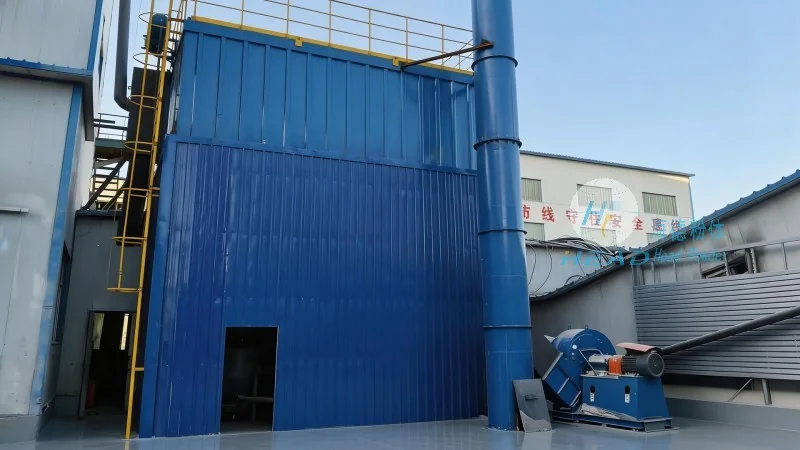
Introduction to Ferrous Sulfate Material Handling
Ferrous sulfate, or iron(II) sulfate, is widely used in water treatment, agriculture, and industrial processes. Its handling requires equipment capable of managing its physical properties, including bulk density, flowability, and dust generation. The pneumatic conveyor system from Shandong HeadPowder Engineering Co., Ltd. is designed to meet these demands, providing a seamless solution for transporting ferrous sulfate from storage to processing units or other destinations.
The Working Principle of Ferrous Sulfate Pneumatic Conveyor
The core of the pneumatic conveyor system is its use of air pressure to transport materials. Two main types of pneumatic conveying are employed: suction (vacuum) and pressure systems. For ferrous sulfate, a tailored design often combines these or uses a dedicated configuration to optimize performance. The system typically includes a hopper, rotary valve, conveyor pipe, and receiver. When activated, air is drawn or pushed through the pipe, creating a flow that carries ferrous sulfate particles. The hopper feeds material into the system, and the rotary valve controls the flow rate. The air flow ensures particles remain suspended, preventing clogging or degradation.
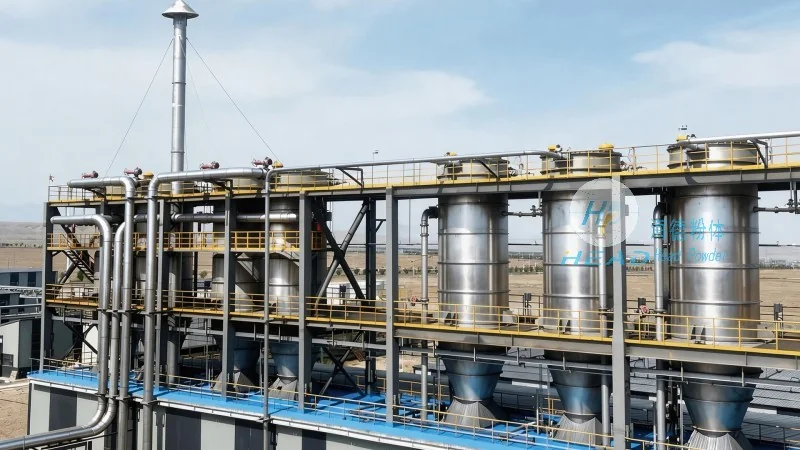
Specifically, ferrous sulfate particles are introduced into the conveyor pipe, where they are suspended by the moving air stream. Air velocity is carefully controlled to keep particles in suspension while minimizing energy use. This allows continuous, uninterrupted flow, ideal for high-volume applications. The system’s design accounts for particle size and density, ensuring efficient transport without material degradation.
Key Features of Ferrous Sulfate Pneumatic Conveyor
The pneumatic conveyor system from Shandong HeadPowder Engineering Co., Ltd. incorporates several features enhancing performance and usability. A primary advantage is high transport efficiency. Unlike belt or bucket elevators, pneumatic conveyors handle fine powders and granules without additional equipment, reducing degradation or contamination risks.
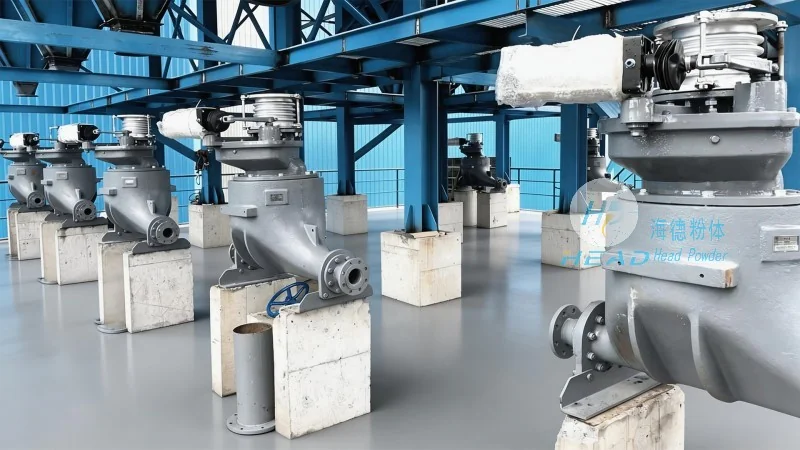
Another key feature is adaptability to operating conditions. The system adjusts air pressure and flow rate to accommodate variations in ferrous sulfate properties, such as moisture or particle size. This flexibility ensures consistent performance even with fluctuating material characteristics. Dust control mechanisms are also integral, as ferrous sulfate generates fine dust that can be hazardous. The system’s construction uses corrosion-resistant materials (e.g., stainless steel or specialized coatings) to withstand chemical exposure and prevent degradation over time. Rotary valves and moving parts are designed for low maintenance, ensuring long-term reliability and minimal downtime.
Benefits of Using Ferrous Sulfate Pneumatic Conveyor
Implementing this system offers several operational benefits. Labor costs are reduced through automation, minimizing manual handling risks and improving productivity. The enclosed design enhances safety by containing material, preventing dust exposure and cross-contamination—critical for ferrous sulfate, which can be harmful if inhaled or upon skin/eye contact. The system also improves working environment cleanliness, reducing cleaning needs and boosting hygiene standards.
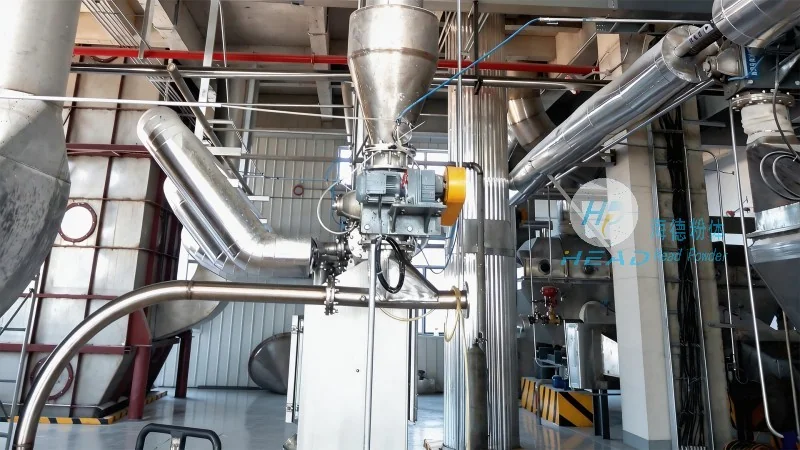
Energy efficiency is another significant advantage. The system is optimized for minimal energy use while achieving high transport rates. Controlled air flow and pressure reduce energy consumption compared to traditional methods, lowering operational costs and supporting sustainability goals by minimizing environmental impact.
Conclusion
The pneumatic conveyor system for ferrous sulfate material from Shandong HeadPowder Engineering Co., Ltd. represents a sophisticated solution for efficient and safe material handling. By understanding its working principle and leveraging key features, industries can enhance operational efficiency, reduce costs, and improve safety. As a leading provider, Shandong HeadPowder Engineering Co., Ltd. continues to innovate, offering tailored solutions that meet specific client needs, ensuring reliable and sustainable material transport for ferrous sulfate applications.