HeadPowder, a leading engineering company based in Shandong, China, specializes in the design and implementation of pneumatic conveying systems for cement and other dry powder materials. This article explores the fundamental working principles and key characteristics of such systems, providing a comprehensive overview for industry professionals and potential clients.
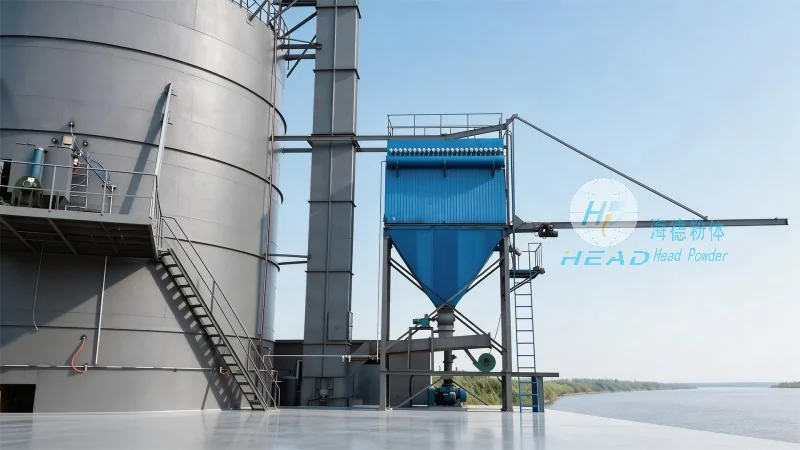
Working Principle of Pneumatic Conveying Systems
The core mechanism of pneumatic conveying for cement dry powder involves the use of air or gas to transport bulk materials through a pipeline. The process typically operates on one of two main principles: pressure or suction. In pressure systems, a positive pressure is generated at the material inlet, pushing the powder through the pipeline using compressed air. Conversely, suction systems create a negative pressure at the inlet, drawing the material into the pipeline as air is drawn through the system. Both methods rely on the creation of a consistent air flow that suspends the powder particles, allowing them to be transported efficiently over long distances.
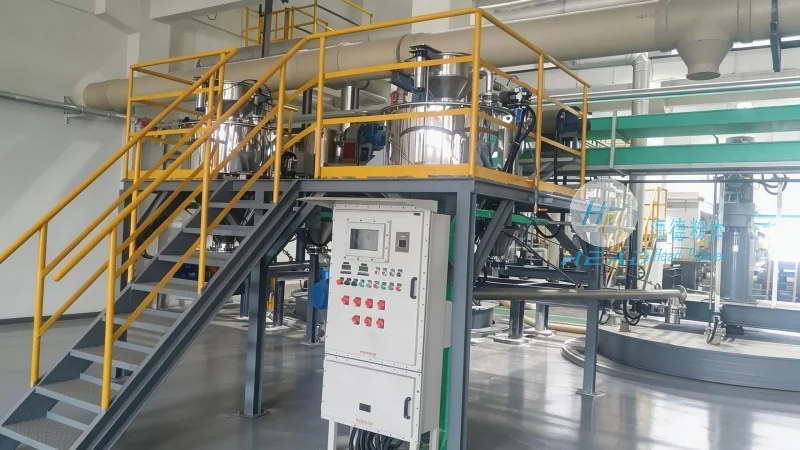
Key Characteristics of Pneumatic Conveying for Cement
Several distinct characteristics define the effectiveness and suitability of pneumatic conveying systems for cement applications. First, the technology offers a high degree of flexibility in terms of system layout, enabling the integration of multiple transfer points and complex routing without the need for extensive mechanical components. Second, it provides excellent material handling capabilities, as the system can handle a wide range of particle sizes and densities, including fine powders that are prone to caking or segregation in traditional conveying methods. Third, pneumatic conveying systems are generally more hygienic and dust-free compared to mechanical alternatives, which is critical for maintaining product quality and compliance with industry standards. Additionally, these systems are known for their energy efficiency, particularly when optimized for specific material properties and operational conditions.
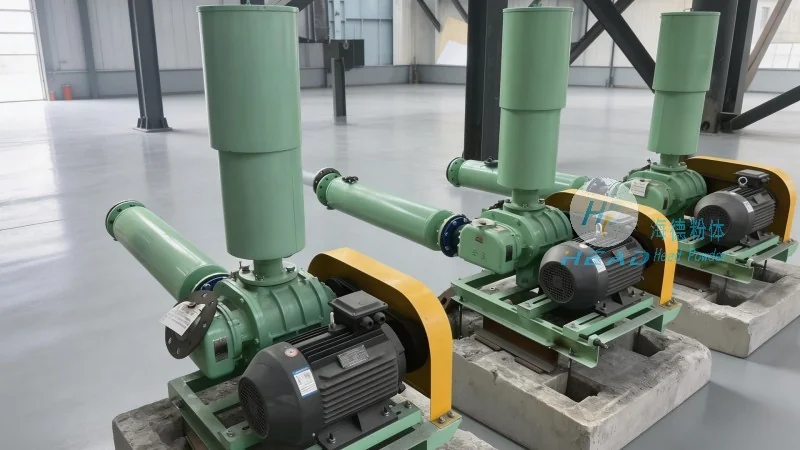
Advantages and Considerations for Industrial Applications
When evaluating pneumatic conveying systems for cement production or processing facilities, several advantages stand out. The primary benefit is the ability to achieve seamless, continuous material transfer, reducing downtime and improving overall operational efficiency. Furthermore, the system's compact design minimizes floor space requirements, making it ideal for facilities with limited room for large equipment. However, it is essential to consider certain limitations, such as the potential for pressure drops over long distances, which may require additional booster stations or higher air pressure to maintain flow rates. Another consideration is the need for proper filtration and air cleaning systems to prevent dust accumulation and ensure environmental compliance.
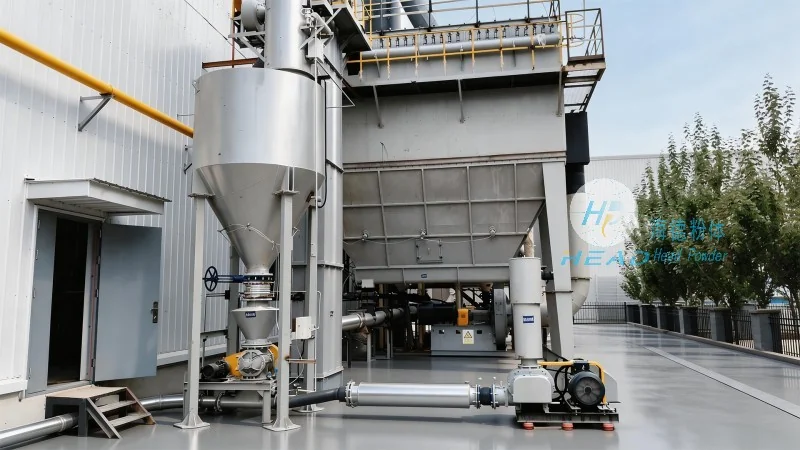
Conclusion and Company Expertise
HeadPowder Engineering Co., Ltd., with its headquarters in Shandong, China, leverages decades of experience in engineering and manufacturing to deliver customized pneumatic conveying solutions tailored to the unique needs of cement and dry powder industries. By combining advanced technology with expert design, the company ensures that its systems not only meet but exceed industry standards for performance, reliability, and safety. For businesses seeking to optimize their material handling processes, HeadPowder offers comprehensive services, including system design, installation, and maintenance, backed by a commitment to quality and customer satisfaction.




