For industries dealing with powdered food additives, efficient and hygienic material handling is crucial. Pneumatic conveying systems have emerged as a preferred solution, offering a reliable method to transport these materials from one location to another. This article explores the working principle and key features of powdered food additive pneumatic conveying lines, highlighting how they enhance operational efficiency and maintain product integrity.
Understanding the Working Principle of Pneumatic Conveying Systems
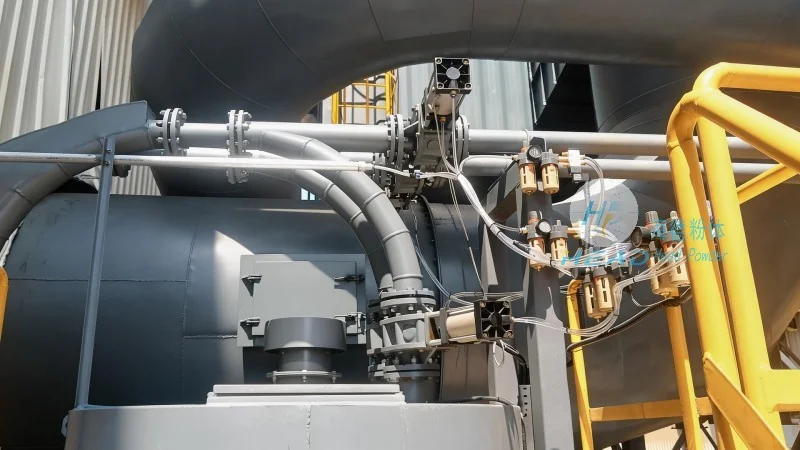
Pneumatic conveying systems operate by using air or gas to transport bulk materials, such as powdered food additives, through a network of pipes. The process typically involves a few key components: a material hopper, a conveyor line, and a receiver or discharge point. The system works by creating a pressure differential between the hopper and the discharge area. When air is introduced into the system, it draws the powder from the hopper and propels it through the pipes to the destination. This method eliminates the need for mechanical components like belts or screws, reducing the risk of contamination and wear.
The working principle can be categorized into two main types: pressure and vacuum systems. Pressure systems use compressed air to push the material forward, while vacuum systems create a negative pressure to pull the material. For food additive applications, vacuum systems are often preferred due to their gentler handling of delicate powders, minimizing particle degradation and ensuring consistent product quality. The system's design, including the size of the pipes and the air velocity, is critical in determining the efficiency and effectiveness of the conveying process. Proper air flow management ensures that the powder moves smoothly without clogging or degradation.
Key Features of Powdered Food Additive Pneumatic Conveying Lines
When evaluating pneumatic conveying systems for food additive applications, several key features stand out as essential for maintaining product quality and operational efficiency. First, the systems are designed with hygiene in mind, featuring smooth, easy-to-clean surfaces and components that prevent material buildup. This is critical in food processing environments where contamination control is paramount. The use of stainless steel and food-grade materials in construction ensures compliance with industry standards and regulations.
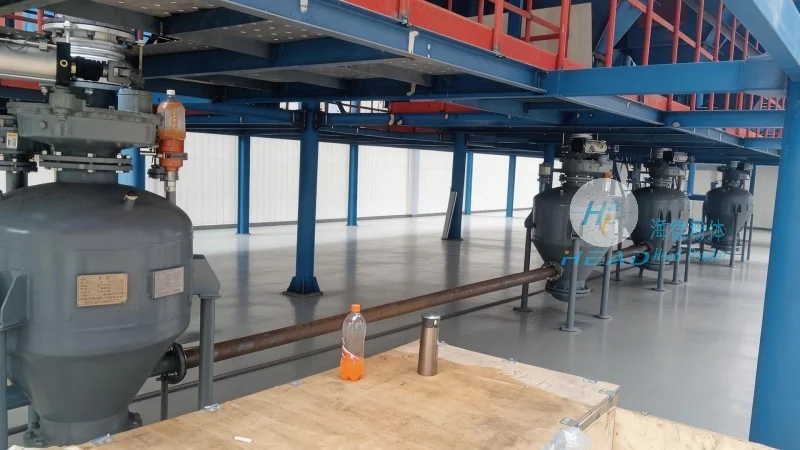
Another important feature is the system's ability to handle a wide range of powder characteristics. Whether the powder is fine, coarse, or has varying moisture content, the conveying line can be customized to accommodate these variations. This flexibility allows for the transport of diverse food additives, from spices and colorants to preservatives and flavor enhancers. The system's design also includes features to prevent dust generation and ensure proper air filtration, maintaining a clean and safe working environment.
Efficiency is a major advantage of pneumatic conveying systems. By eliminating the need for manual handling or mechanical conveyors, the system reduces labor costs and increases throughput. The ability to transport materials over long distances without intermediate storage points also streamlines production processes. Additionally, the systems are energy-efficient, with optimized air flow reducing operational costs over time. The reliability of these systems, with minimal downtime due to maintenance, further enhances their appeal for continuous production environments.
Applications and Benefits in Food Processing
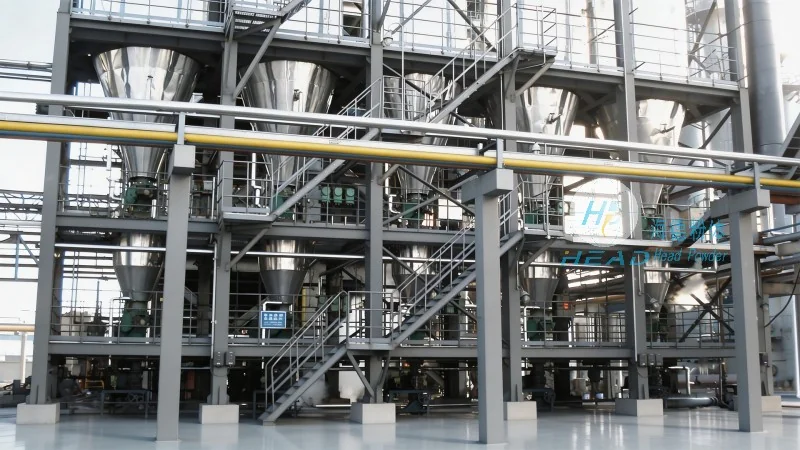
Powdered food additive pneumatic conveying lines are widely used in various food processing applications. In the production of beverages, these systems efficiently transport flavorings and colorants to blending tanks. In the manufacturing of snacks and confectionery, they handle ingredients like cocoa powder and artificial sweeteners, ensuring consistent product quality. The systems are also used in the pharmaceutical and nutraceutical industries, where similar principles apply to the handling of powdered supplements and additives.
The benefits of using such systems extend beyond efficiency and hygiene. They contribute to a cleaner production environment by reducing dust and waste, which in turn lowers the risk of product contamination and improves workplace safety. The ability to maintain product temperature and prevent moisture absorption is another critical advantage, especially for sensitive food additives that require controlled conditions during transport.
Conclusion and Company Overview
Pneumatic conveying systems represent a sophisticated solution for the transportation of powdered food additives, combining efficiency, hygiene, and flexibility. By understanding the working principles and key features of these systems, food processing companies can make informed decisions to enhance their production capabilities. Shandong HeadPowder Engineering Co., Ltd., commonly known as headpowder, is a leading provider of such systems, with operations based in Shandong, China. The company specializes in designing and manufacturing customized pneumatic conveying solutions tailored to the specific needs of food additive manufacturers, ensuring that their products meet the highest standards of quality and safety.




