

Working Principle and Features of the Nickel Sulfate Crystalline Powder Pneumatic Conveying Line
For industries dealing with nickel sulfate crystalline powders, efficient and reliable material handling is crucial. The pneumatic conveying line designed by Shandong HeadPowder Engineering Co., Ltd. offers a sophisticated solution that ensures seamless transportation of these powders while maintaining product integrity. This article delves into the working principle and key features of this advanced system, providing insights into its operational efficiency and practical applications.
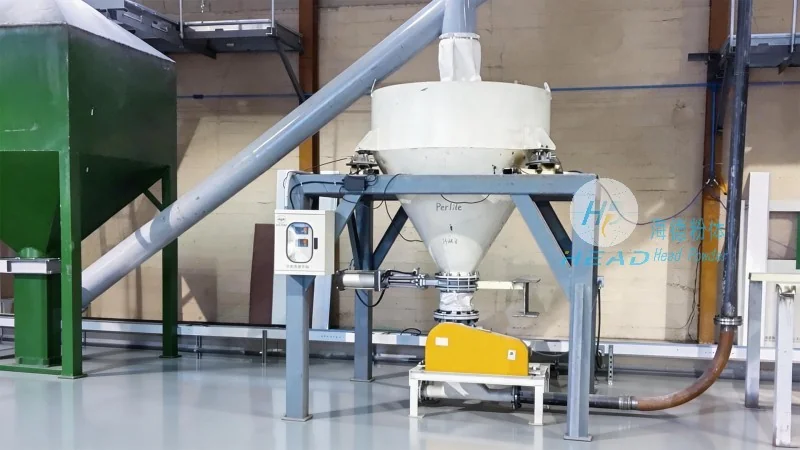
HeadPowder, a leading engineering company based in Shandong, China, specializes in the design and manufacturing of customized material handling systems. With a strong commitment to quality and innovation, the company has developed the nickel sulfate crystalline powder pneumatic conveying line to meet the demanding needs of various industrial sectors. The system is engineered to handle the unique properties of nickel sulfate, such as its hygroscopic nature and potential for dust generation, ensuring safe and efficient operation.
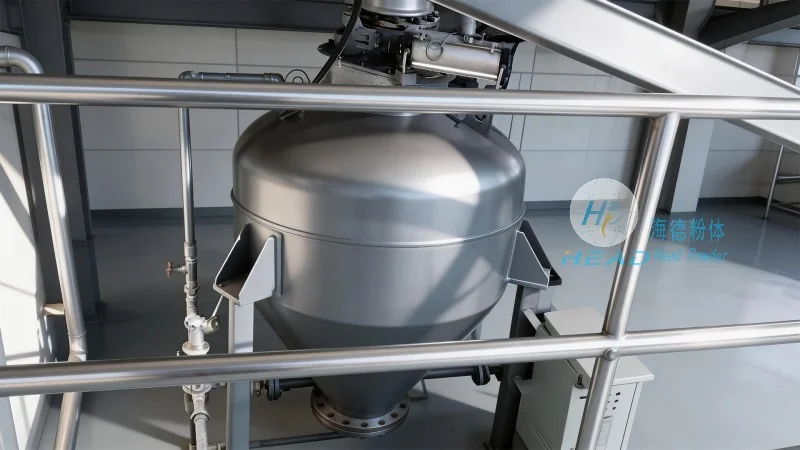
Working Principle of the Pneumatic Conveying Line
The pneumatic conveying line operates on the principle of air movement to transport solid particles. In this system, a blower or compressor generates a high-pressure airflow that propels the nickel sulfate crystalline powder through a series of pipelines. The process involves several key components, including a hopper for material storage, a feeder to control the flow rate, and a conveying line with appropriate fittings and valves. The air velocity is carefully controlled to prevent particle segregation and ensure uniform flow. As the powder moves through the system, it is carried by the air stream, which then deposits the material at the destination point, such as a storage silo or processing unit. This method eliminates the need for mechanical components like belts or buckets, reducing maintenance requirements and minimizing the risk of product contamination.
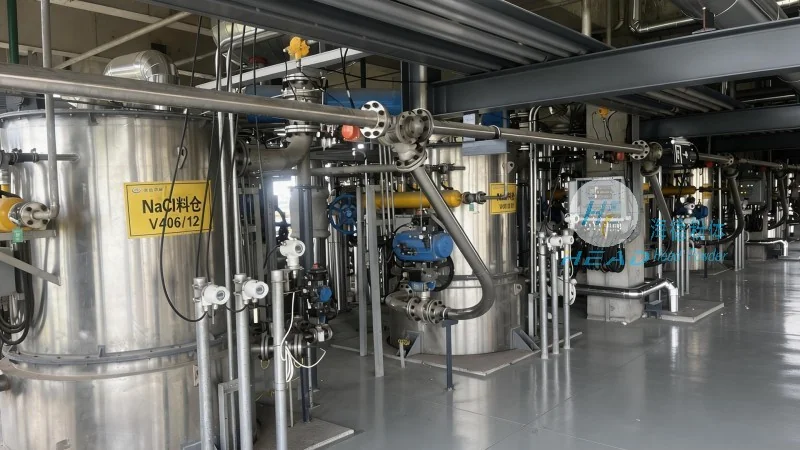
Key Features of the Nickel Sulfate Crystalline Powder Pneumatic Conveying Line
Several distinctive features make this pneumatic conveying line an ideal choice for handling nickel sulfate crystalline powders. Firstly, the system is designed for low maintenance, as it relies on air as the primary transport medium rather than mechanical parts. This reduces downtime and operational costs, which is particularly beneficial for continuous production environments. Secondly, the conveying line is equipped with advanced control systems that allow for precise regulation of airflow and material flow rates. This ensures consistent product quality and prevents overloading or underloading of the system. Thirdly, the system is highly flexible, with the ability to adjust the conveying distance and layout to suit different plant configurations. This adaptability makes it suitable for both new installations and retrofitting existing facilities. Additionally, the design incorporates dust suppression measures, such as cyclone separators and filtration systems, to minimize environmental impact and comply with industrial safety standards. The use of high-quality materials, such as stainless steel for the conveying pipelines, further enhances the system's durability and resistance to corrosion, which is essential for handling chemical powders like nickel sulfate.
Operational Advantages and Benefits
The nickel sulfate crystalline powder pneumatic conveying line offers numerous operational advantages that contribute to improved productivity and cost efficiency. By eliminating the need for manual handling or mechanical conveyors, the system reduces labor costs and minimizes the risk of human error. The automated control system ensures consistent performance, leading to higher throughput and better product uniformity. Furthermore, the low energy consumption of the pneumatic system compared to traditional methods makes it an environmentally friendly choice, aligning with modern industrial sustainability goals. The system's compact design also saves valuable floor space in industrial facilities, allowing for more efficient plant layouts. Another significant benefit is the improved safety aspect, as the enclosed conveying system prevents dust exposure and reduces the risk of accidents associated with manual material handling. Overall, the system enhances operational safety, reduces maintenance costs, and increases the overall efficiency of the production process.
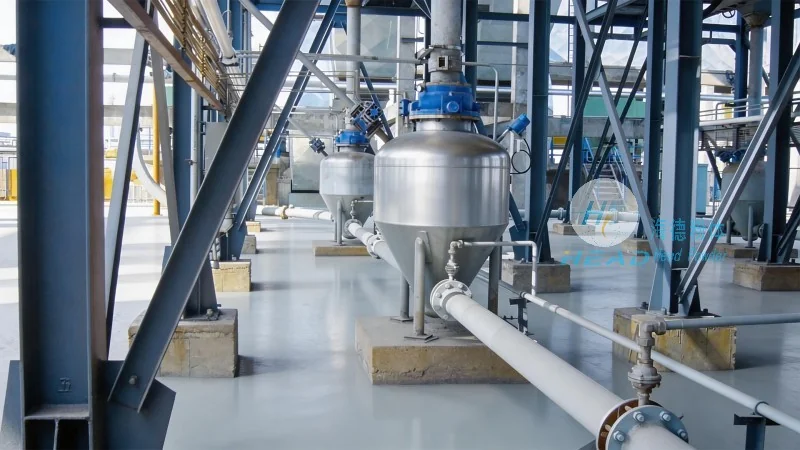
Application Scenarios and Industry Impact
The pneumatic conveying line is widely used in various industries that handle nickel sulfate, including battery manufacturing, chemical processing, and metal finishing. In battery production, for example, the system efficiently transports nickel sulfate to the electrolyte preparation stage, ensuring consistent material quality and reducing batch-to-batch variations. In chemical processing plants, the line facilitates the transfer of nickel sulfate between different processing units, such as drying and mixing operations, without compromising product purity. The system's ability to handle hygroscopic powders is particularly valuable in industries where moisture control is critical, as it prevents material caking and ensures stable processing conditions. By improving material handling efficiency, the system contributes to higher production yields and lower operational costs, making it a valuable asset for businesses operating in the nickel sulfate sector.