

Working Principle and Characteristics of Cement Pneumatic Conveying
Cement pneumatic conveying is a critical technology in the material handling sector, specifically designed for the efficient transport of cement and other fine powders. This method utilizes air as the primary medium to move bulk materials through a pipeline system. The system comprises several essential components, including a hopper for material storage, a conveyor line for transport, and a receiver for material deposition. Each component works in tandem to ensure smooth, reliable, and continuous material movement. Understanding the fundamental working principle and key characteristics of this system is vital for optimizing industrial processes and enhancing overall productivity.
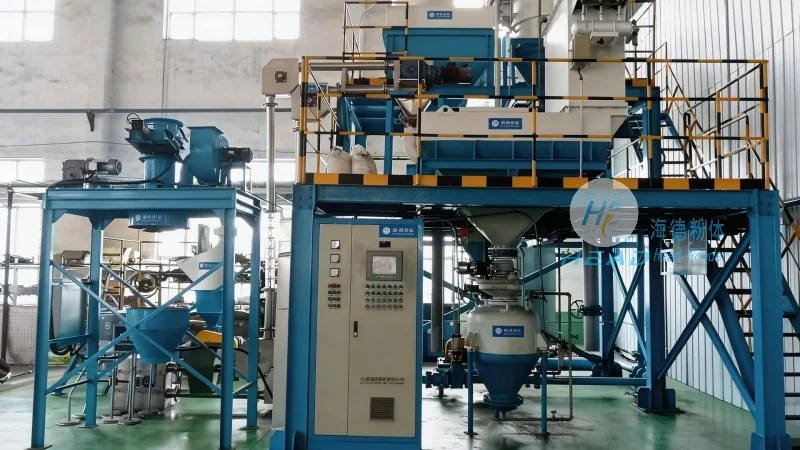
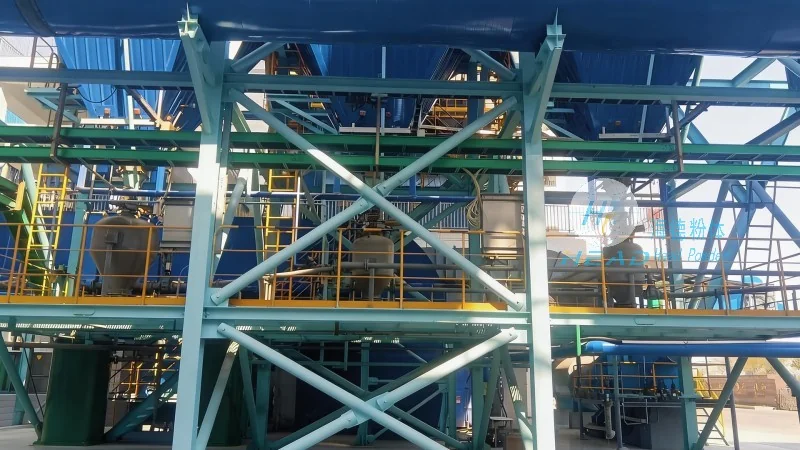
Working Principle of Cement Pneumatic Conveying
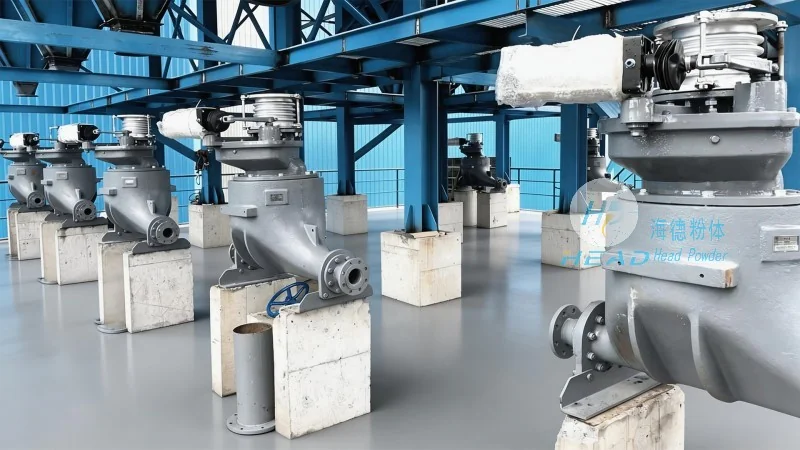
The core mechanism of cement pneumatic conveying revolves around air pressure to propel material. The system typically operates under either positive or negative pressure conditions. In positive pressure systems, air is forced through the pipeline, carrying the cement particles along. Conversely, negative pressure systems create a vacuum that draws the material into the line. The selection between these two approaches depends on factors such as the distance of transport, material properties, and the specific application requirements. The process initiates with cement being fed into a hopper, where it is then either drawn or pushed into the conveyor line. A blower or fan generates the air flow, which propels the cement through the pipeline to the destination, such as a silo or storage tank. Integral components like rotary valves, filters, and cyclones are crucial for maintaining system efficiency and cleanliness, ensuring that the cement reaches its endpoint without loss or contamination.
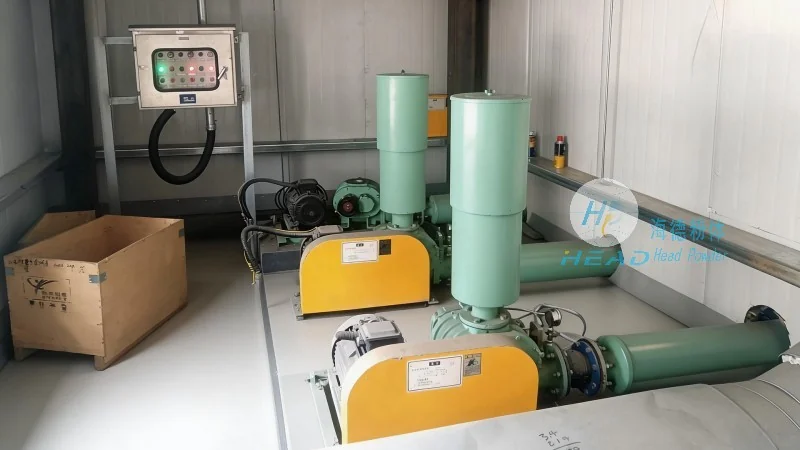
Key Characteristics of Cement Pneumatic Conveying Systems
Several defining characteristics distinguish cement pneumatic conveying systems, making them suitable for diverse industrial applications. A primary advantage is the ability to transport materials over long distances with minimal maintenance requirements. The system also offers high flexibility, allowing for adjustments in the layout or direction of the conveyor line without extensive modifications. Another significant characteristic is the relatively low energy consumption compared to traditional methods like belt conveyors, which can be advantageous for large-scale operations. Additionally, the system effectively handles fine and dusty materials, preventing dust emissions and ensuring compliance with environmental regulations. The reliability of the system is another critical factor, as it can operate continuously with minimal downtime, contributing to overall operational efficiency. However, it is essential to note that proper design and maintenance are required to prevent blockages and ensure consistent performance.
About Shandong HeadPowder Engineering Co., Ltd.
Shandong HeadPowder Engineering Co., Ltd., operating under the brand name headpowder, is a leading provider of specialized engineering solutions for material handling and processing. With a focus on innovation and quality, the company has positioned itself as a trusted partner in the cement and powder industry. HeadPowder specializes in the design, manufacturing, and installation of pneumatic conveying systems tailored to meet the unique needs of clients. The company's expertise lies in understanding the challenges of transporting fine powders like cement and developing customized solutions that enhance operational efficiency and reduce costs. HeadPowder's commitment to customer satisfaction and technical excellence has earned it a reputation for delivering reliable and high-performance equipment. Based in Shandong, China, the company leverages its local resources and industry knowledge to provide comprehensive support to clients worldwide.