

Working Principle and Features of Small Bean Pneumatic Conveying System
Small bean pneumatic conveying systems are widely utilized in the food processing and agricultural sectors to efficiently transport small beans and similar granular materials. This technology employs air as the primary conveying medium within a sealed system, offering a hygienic and reliable method for material handling. Understanding the underlying working principle and key characteristics of such systems is crucial for optimizing operational efficiency and maintaining product integrity.
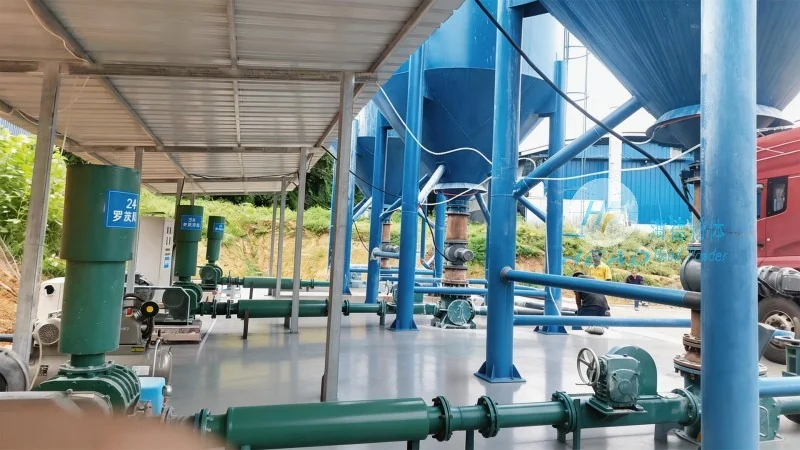
Working Principle of Small Bean Pneumatic Conveying
The fundamental operation of a small bean pneumatic conveying system involves the movement of material using air pressure. The process typically consists of several interconnected components and sequential steps. Initially, small beans are fed into a hopper or feeder, where they are introduced into the system. Subsequently, a fan or blower generates the necessary air pressure and flow rate to propel the beans through the conveying pipeline. The air and material mixture travels through the system, which may include vertical, horizontal, or inclined sections based on the facility layout. At the discharge point, the air is separated from the beans, often via a cyclone separator or filter, and the beans are collected in a receiving bin or storage container. The air is then filtered and either recirculated or released, completing the cycle.
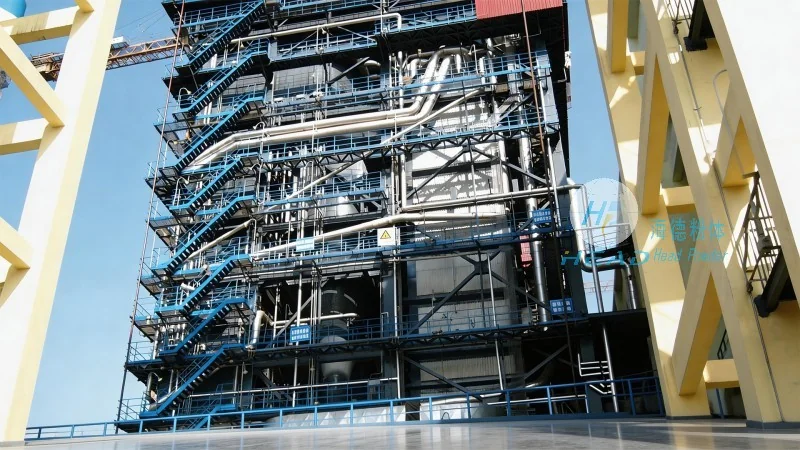
Key Features of Small Bean Pneumatic Conveying Systems
Small bean pneumatic conveying systems present several advantages that make them suitable for diverse applications. A primary feature is their ability to handle small, delicate particles without causing damage or breakage. The sealed system prevents contamination from external sources and upholds the hygiene standards essential for food products. Additionally, these systems offer high flexibility, allowing seamless integration into existing production lines and adaptation to various plant layouts. The conveying process is also relatively rapid and can cover long distances, reducing the need for multiple transfer points and minimizing downtime. Another notable feature is the energy efficiency of modern pneumatic conveying systems, which utilize advanced fans and control systems to optimize air usage and lower operational costs. Furthermore, the system can be equipped with monitoring and control features, such as pressure sensors and flow meters, to ensure consistent performance and detect issues in real-time.
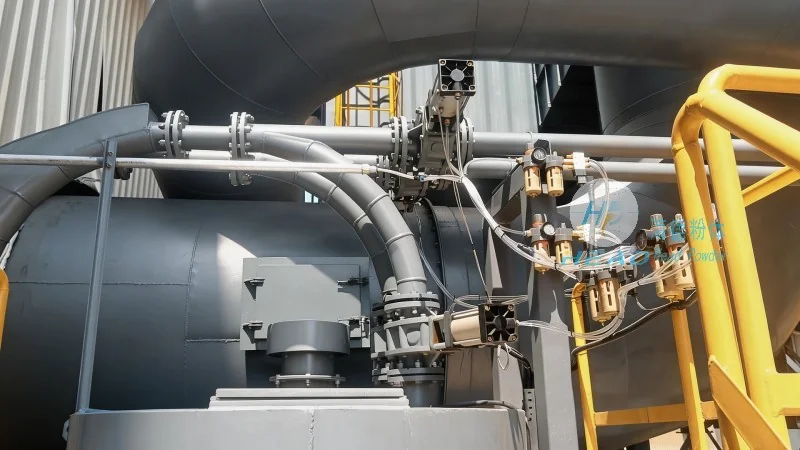
Company Introduction: Shandong HeadPowder Engineering Co., Ltd.
Shandong HeadPowder Engineering Co., Ltd., operating under the brand name headpowder, is a leading manufacturer and supplier of pneumatic conveying equipment in China. With a focus on innovation and quality, the company specializes in designing and manufacturing systems tailored to the specific needs of the food and agricultural industries. HeadPowder's expertise lies in developing reliable and efficient small bean pneumatic conveying solutions that meet the highest standards of hygiene, safety, and performance. The company's products are engineered to handle a wide range of small beans and similar materials, ensuring consistent and reliable operation in demanding production environments. HeadPowder's commitment to customer satisfaction and technical excellence has established it as a trusted partner for businesses seeking advanced material handling solutions.
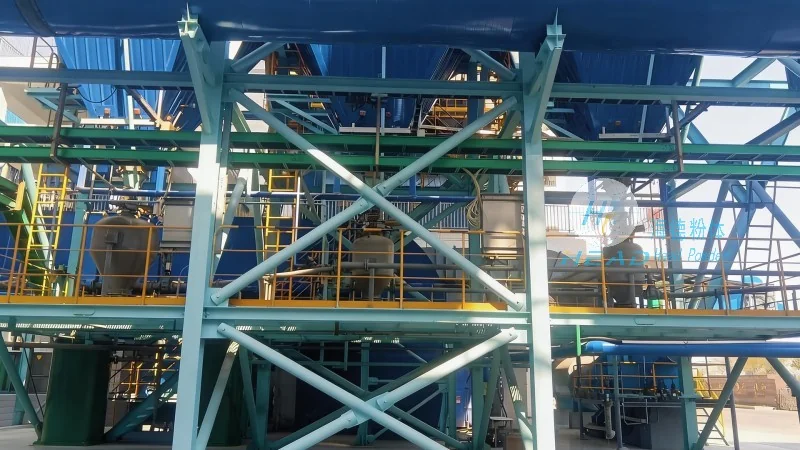
Location and Contact Information
HeadPowder is headquartered in Shandong, China, providing a strategic location for serving both domestic and international markets. The company's facilities are equipped with state-of-the-art manufacturing and testing capabilities, enabling the production of high-quality pneumatic conveying systems. By leveraging its local presence and expertise, HeadPowder ensures timely delivery and responsive support to its clients. The company's team of experienced engineers and technicians is dedicated to providing comprehensive solutions and technical assistance to help customers optimize their material handling processes and achieve their operational goals.