

What is a Coal and Stone Powder Material Pneumatic Conveying Machine? What is its Design Principle?
HeadPowder, a leading engineering company based in Shandong, China, specializes in the design and manufacturing of advanced pneumatic conveying systems. With a strong focus on innovation and precision engineering, the company has established itself as a trusted provider of solutions for material handling in various industrial sectors.
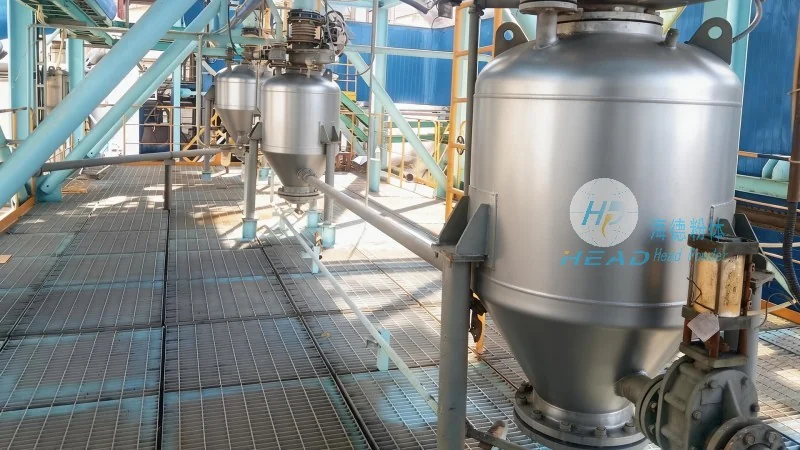
What is a Coal and Stone Powder Material Pneumatic Conveying Machine?
A coal and stone powder material pneumatic conveying machine, also known as a pneumatic conveyor, is a system designed to transport bulk materials like coal, stone powders, and other fine or granular substances through a pipeline using air or gas as the conveying medium. This technology offers an efficient and flexible method for moving materials over short to medium distances, often in industrial settings such as power plants, cement factories, and mining operations.
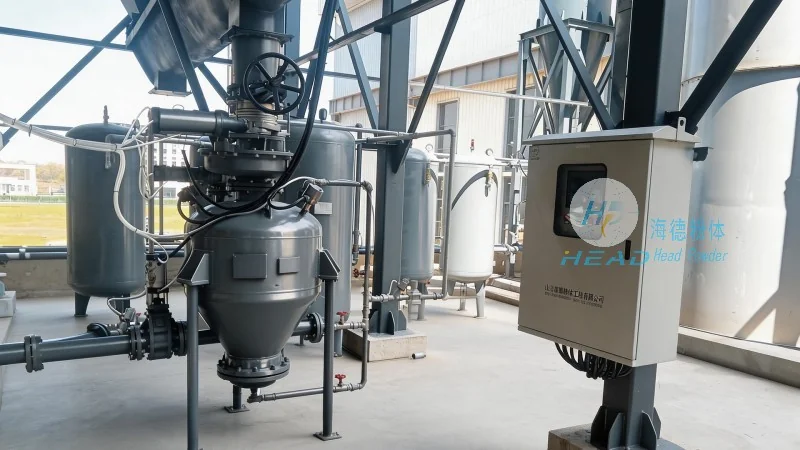
Design Principle of the Pneumatic Conveying Machine
The design principle of a coal and stone powder pneumatic conveying machine revolves around the fundamental concept of using air flow to move solid particles. The system typically operates through two main modes: suction (or vacuum) and pressure. In the suction mode, a vacuum is created at the inlet to draw material into the pipeline, while in the pressure mode, compressed air pushes the material forward. The core components of the design include the material feeder, which ensures a consistent flow of the powder into the system; the conveying pipeline, which transports the material; and the separation and filtration system, which cleans the air and collects the material at the discharge point.
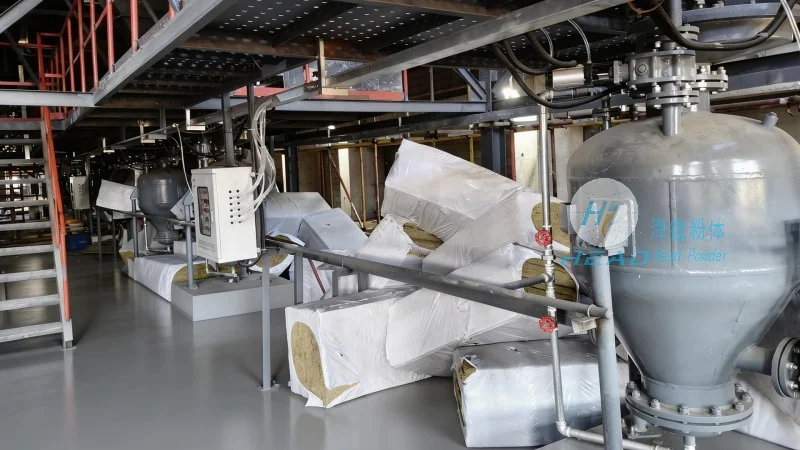
Working Principle and System Components
The working principle of the pneumatic conveying machine involves the following key steps: 1. Material feeding: The coal or stone powder is fed into the system through a hopper or feeder, which controls the flow rate to maintain a stable operation. 2. Air induction: In suction systems, a fan or vacuum pump creates a negative pressure at the inlet, drawing the material into the pipeline along with the air. In pressure systems, compressed air is introduced at the discharge end, pushing the material forward. 3. Conveying: The mixture of material and air travels through the pipeline to the destination point. 4. Separation and discharge: At the receiving end, a separator or cyclone separates the material from the air. The air is then filtered and discharged, while the material is collected in a container or hopper.
Advantages of the Pneumatic Conveying System
HeadPowder's coal and stone powder pneumatic conveying machines offer several advantages over traditional mechanical conveying methods. These include: 1. High efficiency and low energy consumption: The system minimizes material loss and reduces the need for mechanical components, leading to lower operational costs. 2. Flexibility and adaptability: The design allows for easy integration into existing production lines and can handle a wide range of materials with varying particle sizes and moisture content. 3. Reduced maintenance: The absence of moving parts in the pipeline reduces wear and tear, resulting in lower maintenance requirements and longer service life. 4. Environmental benefits: The system can be equipped with advanced filtration and dust control systems, minimizing air pollution and ensuring compliance with environmental regulations.
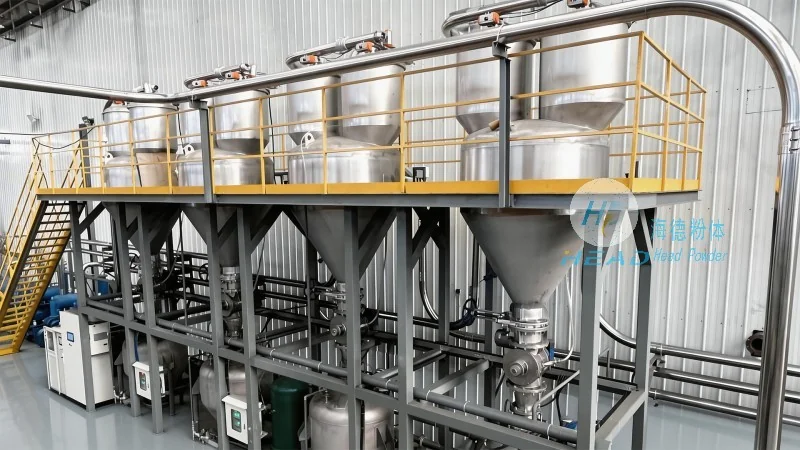
HeadPowder's Commitment to Quality and Innovation
As a company based in Shandong, China, HeadPowder Engineering Co., Ltd. is committed to delivering high-quality pneumatic conveying solutions tailored to the specific needs of its clients. With a team of experienced engineers and technicians, the company focuses on providing reliable, efficient, and cost-effective systems that enhance productivity and safety in material handling operations. By leveraging advanced design principles and cutting-edge technology, HeadPowder continues to set new standards in the industry, ensuring that its customers receive the best possible solutions for their material transport challenges.