

What is Dust Powder Pneumatic Conveying Equipment? And What Are Its Design Principles?
Welcome to Shandong HeadPowder Engineering Co., Ltd., a leading provider of advanced pneumatic conveying solutions. In this article, we will explore the fundamental aspects of dust powder pneumatic conveying equipment, including its purpose, key components, and the underlying design principles that make it an efficient and reliable method for transporting bulk powders and fine particulates.
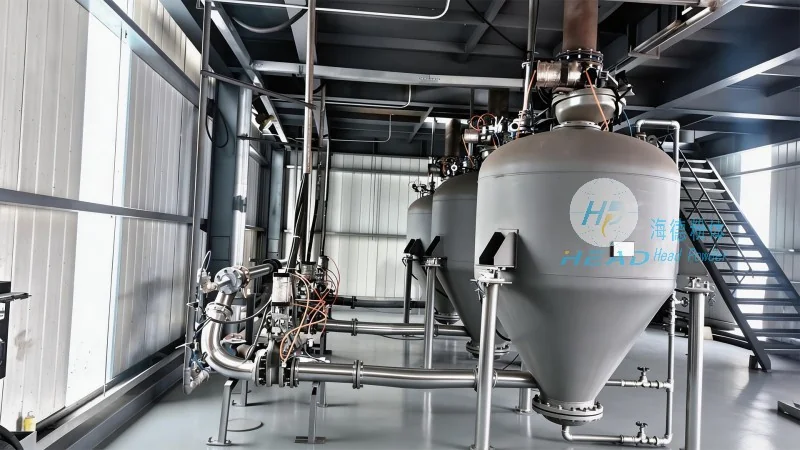
Understanding Dust Powder Pneumatic Conveying Equipment
Dust powder pneumatic conveying equipment is a specialized system designed to transport dry powders and fine particulate materials through a pipeline using a pressurized or vacuum air stream. This technology is widely used in various industries, including chemical, pharmaceutical, food processing, and mining, due to its ability to handle materials that are difficult to transport using traditional methods like gravity or mechanical conveyors. The system typically consists of a source of air (either a blower or a vacuum pump), a conveying line, and a receiving hopper or container. The primary goal is to move the material from one location to another while maintaining its quality and preventing contamination.
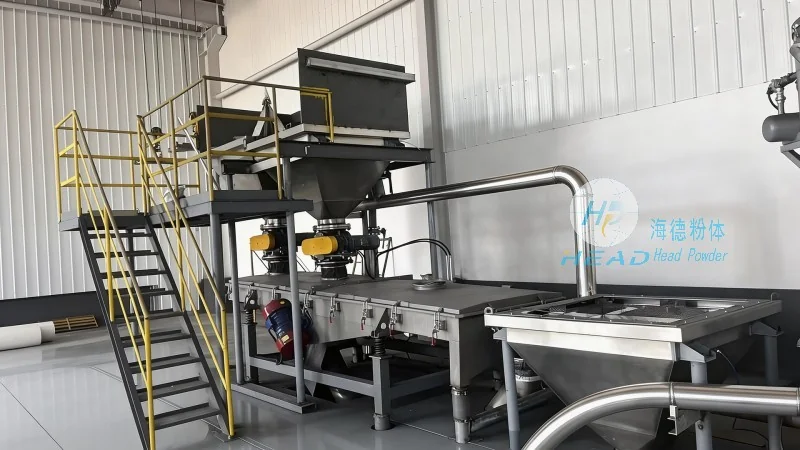
Key Components of the Pneumatic Conveying System
The effectiveness of a dust powder pneumatic conveying system relies on several critical components that work in harmony to ensure smooth operation. The first component is the air source, which can be a positive displacement blower or a vacuum pump, depending on the system's design. This component generates the necessary pressure or vacuum to move the material through the pipeline. The second key component is the conveying line, which is usually made of stainless steel or other corrosion-resistant materials to prevent material buildup and ensure durability. The line may include bends, elbows, and straight sections, all designed to minimize pressure loss and maintain the material's flow. Additionally, the system may incorporate a filter or separator to remove any excess air or fine particles from the material before it reaches the receiving container, ensuring that the final product remains clean and free from contaminants.
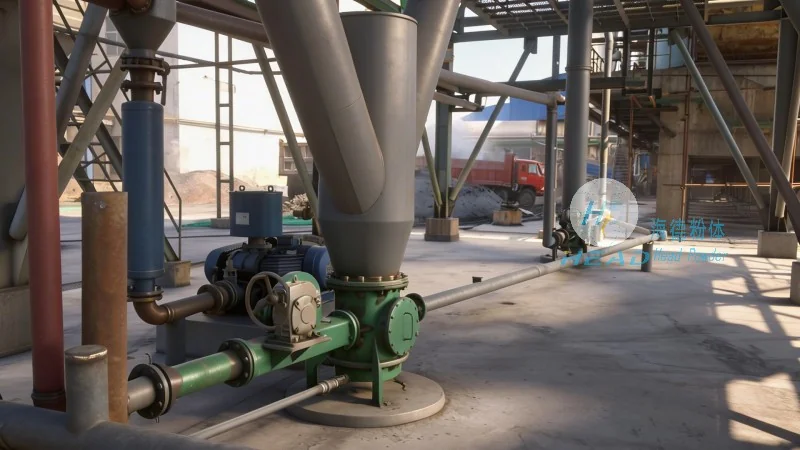
Design Principles Behind Pneumatic Conveying
The design principles of dust powder pneumatic conveying equipment are centered around the fundamental physics of fluid dynamics and particle movement. The most common design is the positive pressure system, where air is forced through the pipeline at a high velocity, carrying the powder particles along with it. The velocity of the air stream must be sufficient to overcome the gravitational force acting on the particles and to prevent them from settling out of the air stream. This is typically achieved by maintaining an air velocity of at least 20-30 meters per second, depending on the particle size and density. The second design principle is the vacuum system, which uses a vacuum pump to create a negative pressure in the pipeline, drawing the material from the source into the line. This system is often used for shorter distances or when the material needs to be transported from a higher elevation to a lower one. The design also considers the material's properties, such as its bulk density, particle size distribution, and moisture content, as these factors influence the system's performance and efficiency.
Applications and Benefits of Pneumatic Conveying
Dust powder pneumatic conveying equipment offers numerous advantages over traditional conveying methods. One of the main benefits is its ability to handle materials that are difficult to transport, such as fine powders that are prone to caking or agglomeration. The system can also transport materials over long distances without the need for multiple transfer points, reducing the risk of material loss or contamination. Additionally, the equipment is relatively compact and can be installed in a variety of spaces, making it suitable for both new and existing facilities. The design of the system allows for easy cleaning and maintenance, which is crucial in industries where hygiene is a priority, such as food and pharmaceutical processing. Overall, the use of pneumatic conveying equipment can significantly improve the efficiency and safety of material handling processes, reducing labor costs and increasing production throughput.
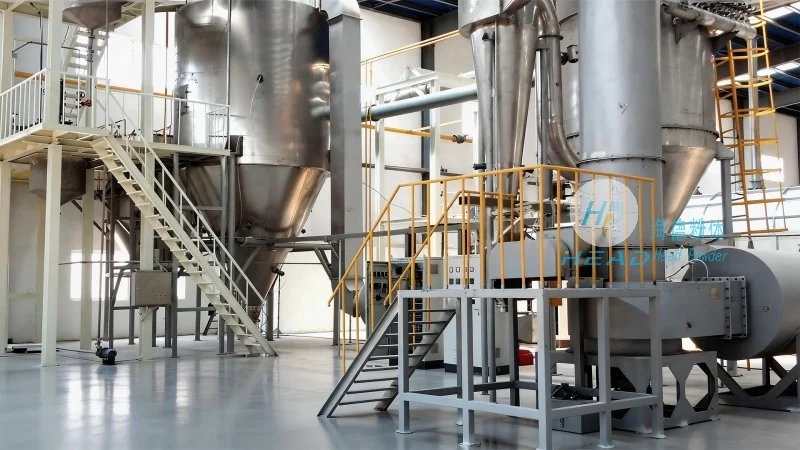
Conclusion
In conclusion, dust powder pneumatic conveying equipment is a sophisticated and efficient solution for transporting bulk powders and fine particulates. The design principles, which are based on fluid dynamics and particle physics, ensure that the system can handle a wide range of materials and operating conditions. With its ability to minimize material loss, reduce contamination, and improve overall process efficiency, this technology remains a popular choice in many industries. As a leading manufacturer, Shandong HeadPowder Engineering Co., Ltd. specializes in providing customized pneumatic conveying solutions tailored to the specific needs of our clients, ensuring that they receive the most effective and reliable equipment for their applications.