

What is a Cast Iron Powder Pneumatic Conveying System? What are its Design Principles?
For industrial applications involving the handling of cast iron powder, a specialized system known as a cast iron powder pneumatic conveying system is often employed. This technology facilitates the efficient and safe transport of fine cast iron particles through a network of pipes using compressed air or other gas streams. Understanding the fundamentals of such a system, including its design principles, is crucial for optimizing material flow and operational efficiency in manufacturing processes.
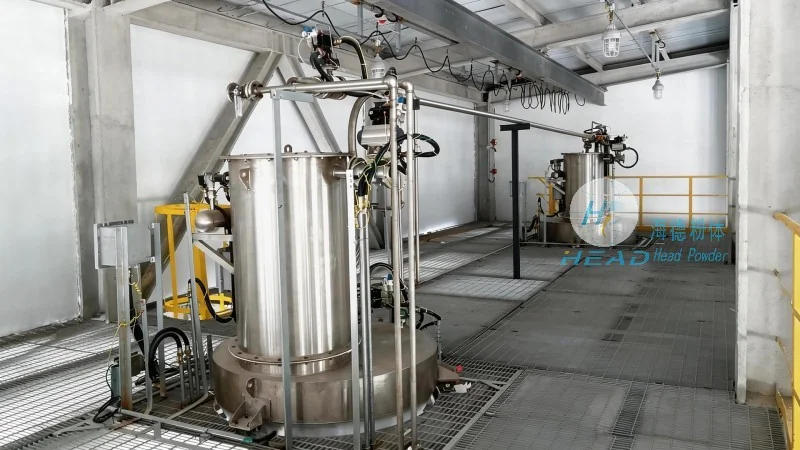
Introduction to Cast Iron Powder Pneumatic Conveying Systems
A cast iron powder pneumatic conveying system is a mechanical system designed to move dry, powdery materials like cast iron powder from one location to another within an industrial facility. Unlike traditional bulk material handling methods that rely on gravity or mechanical conveyors, pneumatic conveying systems utilize the force of compressed air to propel particles through a pipeline. This approach is particularly advantageous for handling abrasive or potentially hazardous materials, as it minimizes direct contact between the material and equipment, reducing wear and contamination risks.
Key Components of a Cast Iron Powder Pneumatic Conveying System
The design of a cast iron powder pneumatic conveying system typically incorporates several critical components that work in concert to ensure reliable operation. These components include a material feed hopper, which stores and meters the cast iron powder; a conveying line, usually made of durable materials like stainless steel or special alloys to withstand the abrasive nature of the powder; a compressor or air source that generates the necessary pressure to move the material; and a control system that regulates the flow and pressure within the system. Additionally, the system may feature filters or cyclones to separate the powder from the air stream, ensuring that the material is delivered to its destination without loss or contamination.
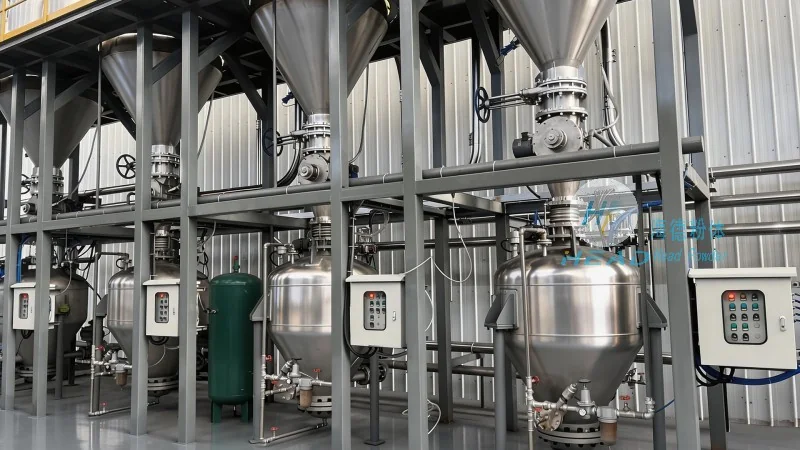
Design Principles for Efficient Cast Iron Powder Transport
The design principles of a cast iron powder pneumatic conveying system are centered on achieving optimal flow rates, minimizing pressure drop, and ensuring the longevity of system components. One of the primary design considerations is the selection of the appropriate air velocity and pressure. The air velocity must be high enough to keep the cast iron powder particles suspended in the air stream but low enough to prevent excessive wear on the conveying line and equipment. This balance is crucial for maintaining consistent material transport and preventing blockages or clogging. Another key principle is the use of appropriate pipe diameters and bends. Larger pipe diameters reduce pressure drop and improve flow efficiency, while carefully designed bends minimize turbulence and particle impact, which can cause wear and degradation of the material.
Advantages of Using a Cast Iron Powder Pneumatic Conveying System
Implementing a cast iron powder pneumatic conveying system offers several advantages over traditional handling methods. For instance, it enables the safe and enclosed transport of potentially hazardous or abrasive materials, reducing the risk of dust exposure and equipment damage. The system also allows for precise control over material flow rates, which is essential for maintaining consistent product quality in downstream processes. Furthermore, pneumatic conveying systems can be integrated with existing manufacturing infrastructure, making them a flexible and cost-effective solution for upgrading or expanding material handling capabilities.
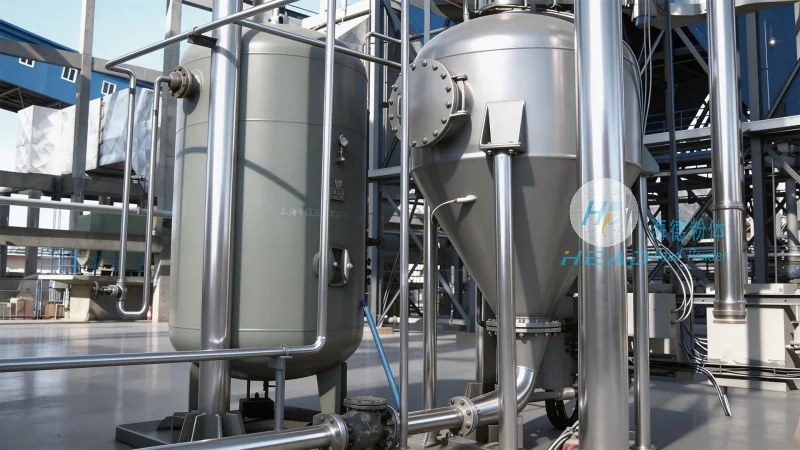
Application Examples in Industrial Settings
Cast iron powder pneumatic conveying systems are commonly used in various industrial applications, such as foundries, metalworking facilities, and powder metallurgy operations. In foundries, for example, these systems are used to transport cast iron powder from storage silos to molding or casting machines, ensuring a continuous and controlled supply of raw material. In metalworking plants, they may be employed to move fine cast iron particles for recycling or reprocessing, helping to reduce waste and improve material utilization. The versatility of pneumatic conveying makes it suitable for a wide range of applications where traditional conveyors may be less effective or too cumbersome.
Conclusion and Company Overview
Understanding the design principles and operational aspects of a cast iron powder pneumatic conveying system is essential for optimizing material handling in industrial settings. By leveraging the expertise of companies like Shandong HeadPowder Engineering Co., Ltd., manufacturers can implement efficient and reliable systems that enhance productivity and safety. With a focus on durable components and tailored solutions, such systems play a vital role in modern manufacturing processes, ensuring the smooth and efficient transport of cast iron powder and other fine materials.