

What is a Grass Powder Pneumatic Conveying System? What Are Its Design Principles?
For those in the agricultural and processing industries, understanding the mechanisms of material handling is crucial. One such technology that has gained prominence is the grass powder pneumatic conveying system. This system is designed to efficiently transport fine powders, such as grass or other agricultural byproducts, over long distances with minimal loss and high efficiency. Developed by Shandong HeadPowder Engineering Co., Ltd. (headpowder), this technology offers a reliable solution for industries dealing with fine agricultural materials.
Introduction to Grass Powder Pneumatic Conveying Systems
A grass powder pneumatic conveying system is a specialized piece of equipment used to move dry, fine materials like grass powder through a pipeline using air pressure. Unlike traditional mechanical conveyors, which rely on physical contact and friction, pneumatic systems utilize the force of compressed air to propel the material. This method offers several advantages, including the ability to transport materials in a closed system, reducing dust emissions and contamination, and enabling the transfer of materials over significant vertical and horizontal distances.
Key Components of the System
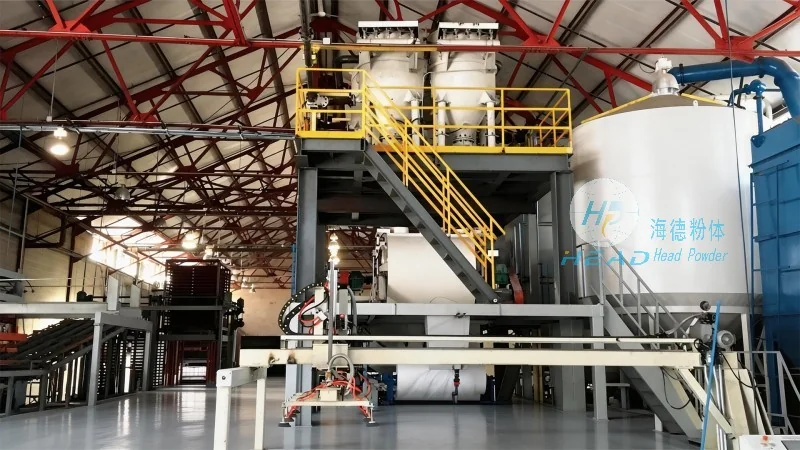
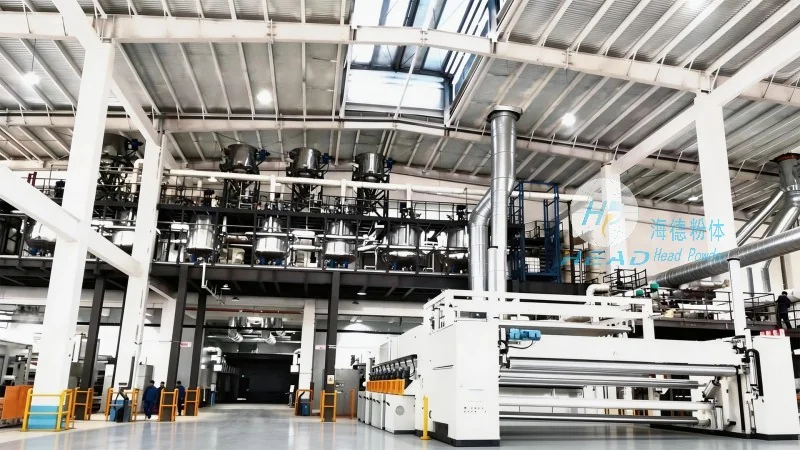
The grass powder pneumatic conveying system consists of several critical components that work in tandem to ensure efficient operation. The primary components include the material feed hopper, the air compressor or blower, the conveying pipeline, the control valves, and the discharge hopper. Each component plays a vital role in the overall functionality of the system.
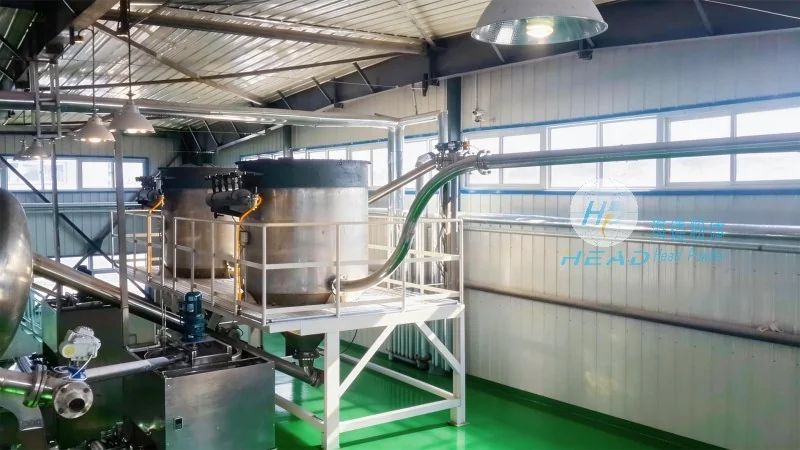
The material feed hopper is responsible for storing and feeding the grass powder into the system. It is typically designed with a hopper shape to ensure a consistent flow of material into the pipeline. The air compressor or blower generates the necessary air pressure to move the material through the system. The conveying pipeline, usually made of stainless steel or other corrosion-resistant materials, is where the material and air travel together. Control valves are used to regulate the flow of air and material, allowing for adjustments based on the material's characteristics and the system's requirements. Finally, the discharge hopper collects the material at the end of the pipeline, completing the conveying process.
Design Principles and Operational Mechanics
The design principles of a grass powder pneumatic conveying system are centered around achieving optimal air-to-material ratios and maintaining consistent flow rates. The air-to-material ratio is a critical parameter that determines the system's efficiency and the velocity of the material-air mixture. A higher ratio generally leads to faster conveying speeds but may increase energy consumption and potential material degradation. Conversely, a lower ratio may result in slower speeds but lower energy costs and reduced wear on the system components.
Operational mechanics involve the interaction between the air and the material particles. When air is introduced into the pipeline, it creates a flow that lifts and propels the grass powder particles. The particles are suspended in the air stream, and the velocity of the air ensures that they remain in suspension and move along the pipeline. The system's design must account for the particle size, density, and moisture content of the grass powder, as these factors influence the required air pressure and flow rate. For example, finer particles may require higher air velocities to maintain suspension, while larger or denser particles may need more air pressure to overcome gravity and friction.
Advantages of Using a Grass Powder Pneumatic Conveying System
Implementing a grass powder pneumatic conveying system offers numerous benefits for industries dealing with fine agricultural materials. One of the most significant advantages is the reduction of dust and contamination. Since the material is transported in a closed system, there is minimal exposure to the environment, preventing dust from spreading and reducing the risk of contamination from external sources. This is particularly important for food-grade or pharmaceutical-grade materials where purity is paramount.
Another advantage is the ability to transport materials over long distances with minimal loss. Unlike mechanical conveyors, which may experience material degradation or spillage at transfer points, pneumatic systems maintain the integrity of the material throughout the process. This ensures that the quality of the grass powder remains consistent from the point of origin to the final destination.
Efficiency and energy savings are also key benefits. By optimizing the air-to-material ratio and system design, operators can achieve high conveying speeds while minimizing energy consumption. This not only reduces operational costs but also contributes to a more sustainable and environmentally friendly operation. Additionally, the system's flexibility allows for easy integration with existing processing lines and the ability to adjust conveying rates as production needs change.
Applications in the Agricultural and Processing Industries
Grass powder pneumatic conveying systems are widely used in various applications within the agricultural and processing sectors. In the animal feed industry, these systems are used to transport grass powder from storage facilities to feed mills, ensuring a consistent supply of raw material. In the biofuel industry, they help move grass-based feedstocks to processing plants for conversion into bioethanol or other energy products. The food processing industry also benefits from these systems when handling grass-based ingredients for nutritional supplements or animal feed formulations.
Furthermore, the system's ability to handle fine, dry materials makes it suitable for applications in the pharmaceutical and cosmetic industries, where purity and contamination control are critical. By maintaining a closed system and controlling the flow of materials, these industries can ensure that their products meet stringent quality standards.