

What is Vehicle-Mounted Material Transport? And What Are Its Design Principles?
Vehicle-mounted material transport systems represent a critical solution in modern logistics and material handling, designed to enhance operational efficiency by integrating transport and handling capabilities directly onto a mobile platform. This technology is particularly valuable in industries where flexibility, speed, and the ability to navigate diverse terrains or confined spaces are essential. Understanding the core concepts and design principles behind such systems is crucial for businesses seeking to optimize their material handling processes.
Defining Vehicle-Mounted Material Transport
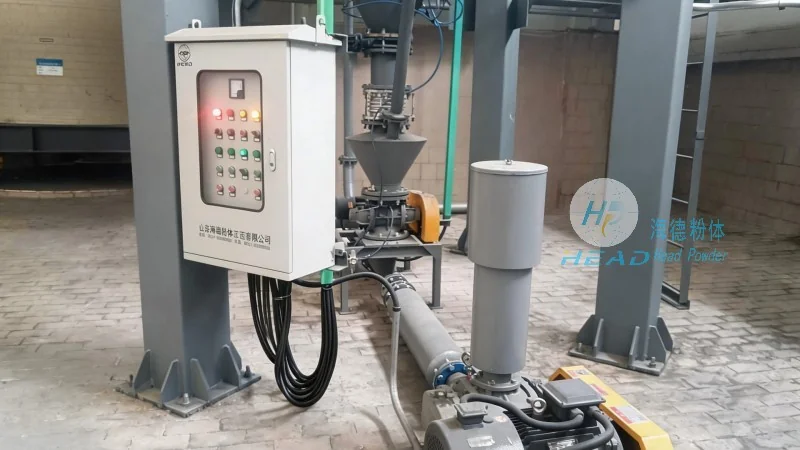
At its essence, vehicle-mounted material transport involves the use of specialized vehicles equipped with mechanisms to pick up, transport, and deposit materials. These systems can range from simple platforms with lifting arms to complex automated solutions capable of handling various types of loads, including bulk materials, containers, or even delicate items. The primary goal is to reduce the need for separate transport and handling equipment, thereby streamlining workflows and minimizing labor and time requirements. The integration of transport and handling functions on a single vehicle allows for greater adaptability in different operational environments, from manufacturing plants to construction sites and distribution centers.
Key Design Principles of Vehicle-Mounted Material Transport Systems
The design of effective vehicle-mounted material transport systems is guided by several fundamental principles aimed at maximizing performance, safety, and reliability. First, the system must prioritize stability and balance, especially when carrying heavy or uneven loads. This is achieved through robust chassis designs, precise load distribution mechanisms, and advanced suspension systems that maintain the vehicle's stability during movement and lifting operations. Second, maneuverability is a critical design consideration, as these vehicles often operate in tight spaces or on uneven surfaces. Features like compact dimensions, all-wheel steering, and low ground clearance enhance their ability to navigate complex environments without compromising load capacity. Third, the integration of automation and control systems is essential for ensuring precise and safe operation. Modern systems often incorporate sensors, cameras, and automated controls that allow for real-time monitoring of load positions, vehicle movements, and environmental conditions, reducing the risk of accidents and improving operational accuracy.
Components and Functional Aspects
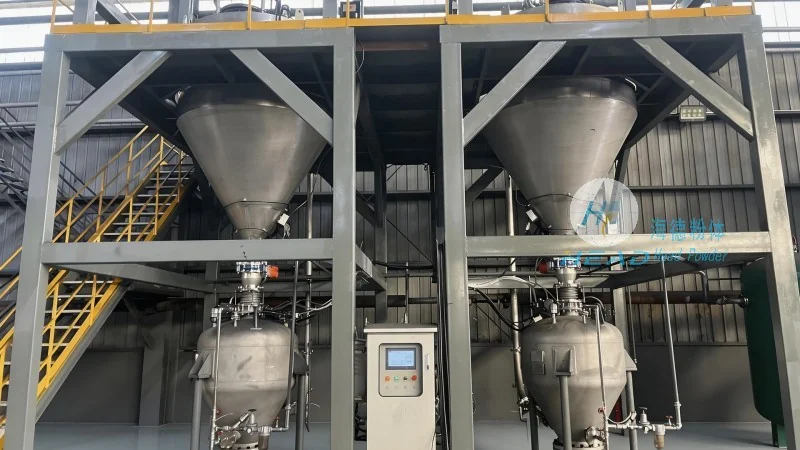
Vehicle-mounted material transport systems typically consist of several key components that work in concert to achieve their intended functions. The chassis and powertrain form the foundation, providing the necessary mobility and power to move the vehicle and its load. The lifting and handling mechanisms, such as hydraulic cranes, forklifts, or robotic arms, are designed to interact with the materials being transported. These mechanisms must be capable of safely lifting, moving, and placing loads of varying weights and dimensions. Additionally, the control systems, including human-machine interfaces (HMIs) and automated control units, enable operators to manage the vehicle's movements and the handling operations with precision. Safety features, such as emergency stop buttons, load sensors, and collision avoidance systems, are integral to ensuring the well-being of operators and the integrity of the materials being handled.
Applications and Industry Impact
Vehicle-mounted material transport systems find applications across a wide range of industries, each leveraging the technology to address specific operational challenges. In manufacturing, these systems are used to move raw materials between production lines, transfer finished products to storage areas, and handle tools and equipment within the facility. The flexibility of these vehicles allows them to adapt to the changing needs of production schedules and layout modifications. In construction, they are invaluable for transporting building materials, equipment, and debris on job sites, where terrain and space constraints are common. The ability to navigate uneven ground and tight spaces makes them ideal for construction projects. In logistics and warehousing, vehicle-mounted systems enhance the efficiency of order picking, inventory management, and distribution processes, reducing the time and labor required to move goods within and between facilities. By integrating transport and handling functions, these systems contribute to improved productivity, reduced operational costs, and enhanced safety in various industrial settings.
Advantages and Considerations
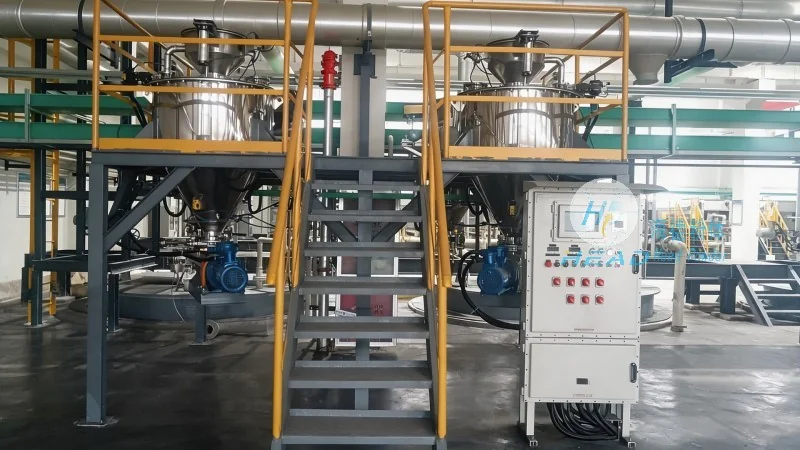
Implementing vehicle-mounted material transport systems offers several advantages that make them a preferred choice for many businesses. One of the primary benefits is the significant reduction in operational time and labor costs. By eliminating the need for separate transport vehicles and handling equipment, companies can streamline their workflows and increase throughput. The integration of automation also leads to higher operational accuracy and consistency, minimizing errors and improving product quality. Additionally, these systems enhance safety by reducing the need for manual handling of heavy or hazardous materials, thereby lowering the risk of workplace injuries. However, there are also considerations to keep in mind when adopting such technology. The initial investment and maintenance costs can be substantial, and the systems require skilled operators and regular maintenance to ensure optimal performance. Furthermore, the design and integration of these systems must be tailored to the specific needs of the operational environment, as a one-size-fits-all approach may not be effective. Companies must also consider factors such as load capacity, maneuverability, and compatibility with existing infrastructure when selecting a vehicle-mounted material transport solution.
Conclusion
Vehicle-mounted material transport systems represent a sophisticated and efficient solution for modern material handling challenges. By combining transport and handling capabilities into a single mobile platform, these systems enhance operational flexibility, productivity, and safety across various industries. The design principles, components, and applications of such systems are tailored to meet the specific needs of different operational environments, making them a valuable asset for businesses seeking to optimize their logistics and material handling processes. As technology continues to advance, vehicle-mounted material transport systems are likely to become even more integrated and automated, further enhancing their role in the future of industrial operations. HeadPowder, a leading provider of material handling solutions, specializes in designing and manufacturing vehicle-mounted transport systems that meet the diverse needs of industries worldwide. With a focus on innovation and customer-centric design, HeadPowder's systems are engineered to deliver reliability, efficiency, and safety, helping businesses enhance their operational performance. Based in Shandong, China, HeadPowder leverages its expertise in engineering and manufacturing to deliver high-quality vehicle-mounted material transport solutions tailored to the specific requirements of its clients.