

What is Bulk Bag Packing Material Handling? What Are the Design Principles?
Understanding bulk bag packing material handling is crucial for industries that rely on efficient and safe transportation of large quantities of goods. This process involves the use of specialized equipment and systems designed to handle, transport, and manage bulk materials in a controlled manner. The core of this operation lies in the design and implementation of systems that ensure optimal performance, safety, and reliability. Shandong HeadPowder Engineering Co., Ltd., a leading provider of material handling solutions based in Shandong, China, specializes in developing and implementing such systems to meet the diverse needs of various industries.
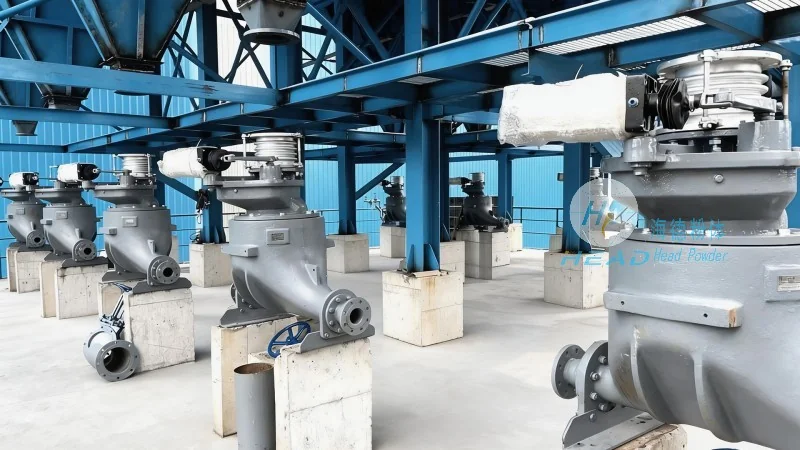
Introduction to Bulk Bag Packing Material Handling
Bulk bag packing, also known as super sacks or flexitanks, is a method used to package and transport large volumes of dry or liquid materials. These flexible containers are made from durable fabrics and are designed to be filled, sealed, and transported with ease. The material handling process associated with bulk bags involves several key steps, from loading the material into the bag to transporting it to its destination. This system is widely used in various industries, including agriculture, construction, and chemical manufacturing, due to its cost-effectiveness and ability to handle substantial quantities of material.
Key Components of Bulk Bag Packing Material Handling Systems
The effectiveness of bulk bag packing material handling systems depends on several critical components. These include the bulk bag itself, which is typically made from woven polypropylene or other strong, breathable materials, and is equipped with top and bottom spouts for filling and discharging. The filling equipment, such as hopper loaders or pneumatic fillers, is essential for efficiently loading the material into the bag. Additionally, the discharge system, which may involve bottom spouts, valves, or conveyor systems, ensures that the material can be removed from the bag safely and without spillage. The handling equipment, including forklifts, pallet jacks, or specialized lifting devices, facilitates the movement of the filled bags to storage or transportation areas.
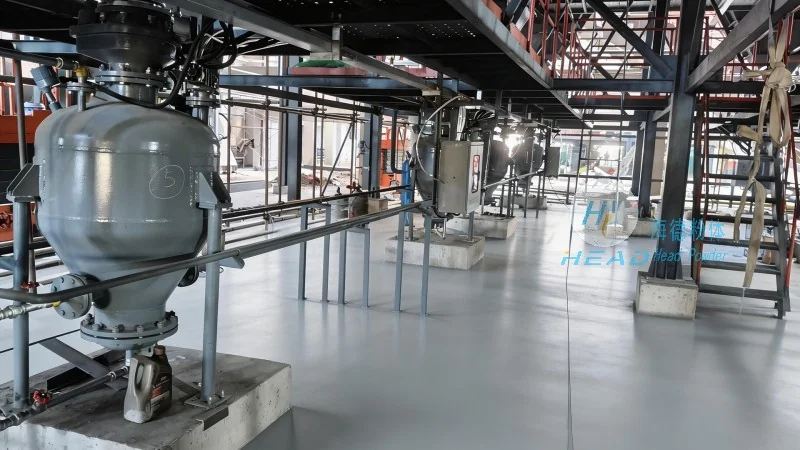
Design Principles for Efficient Bulk Bag Packing Material Handling
The design of bulk bag packing material handling systems follows several fundamental principles aimed at maximizing efficiency and safety. One of the primary principles is the use of standardized containers and equipment to ensure compatibility and ease of operation across different sites and applications. This standardization reduces the need for specialized training and equipment, making the system more accessible and cost-effective. Another key principle is the integration of safety features, such as reinforced seams, secure closures, and spillage prevention mechanisms, to minimize the risk of accidents and material loss. The design also emphasizes ergonomic considerations, ensuring that operators can handle the bags with minimal strain and effort. Furthermore, the system is designed to be modular and adaptable, allowing for adjustments based on the type and volume of material being handled. This flexibility is crucial for accommodating different production needs and operational changes.
Operational Workflow in Bulk Bag Packing Material Handling
The operational workflow in bulk bag packing material handling typically involves several sequential steps. The process begins with the preparation of the empty bulk bag, which is often stored in a designated area and inspected for any damage or defects. Next, the material is loaded into the bag using the appropriate filling equipment. This step requires careful monitoring to ensure the bag is filled to the correct level and that the material is not overfilled, which could lead to bag rupture or spillage. After filling, the bag is sealed using a top closure system, such as a tie-down or a spout cover, to prevent material leakage during transport. The sealed bag is then moved to a storage or loading area using handling equipment, where it is prepared for shipment. Finally, the bag is loaded onto a truck or other transportation vehicle and transported to the customer or storage facility. Each step in this workflow is designed to be efficient and safe, minimizing downtime and maximizing productivity.
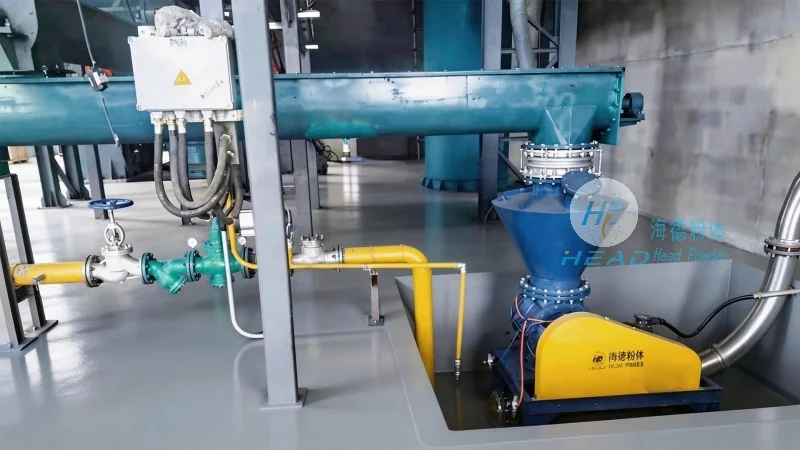
Advantages of Bulk Bag Packing Material Handling
Bulk bag packing material handling offers several advantages over traditional packaging methods. One of the most significant benefits is the ability to handle large quantities of material in a single container, reducing the number of shipments needed and lowering transportation costs. This is particularly beneficial for industries that deal with high-volume materials, such as agricultural products or construction aggregates. Another advantage is the cost-effectiveness of bulk bags compared to rigid containers, as they are lightweight and require less material to manufacture. The flexible nature of bulk bags also allows for better space utilization in storage and transportation, as they can be stacked or stored in a more compact manner. Additionally, the system is highly customizable, allowing companies to tailor the design and features of the bags to their specific material and operational needs. This flexibility ensures that the system can be optimized for different applications and industries.
Applications and Industries Using Bulk Bag Packing Material Handling
Bulk bag packing material handling is widely used across various industries due to its versatility and efficiency. In the agricultural sector, it is commonly used to transport and store grains, seeds, and other agricultural products. The large capacity of bulk bags allows farmers and distributors to handle substantial quantities of these materials, reducing the number of trips required for transportation. In the construction industry, bulk bags are used to transport aggregates, cement, and other construction materials. The ability to handle large volumes of these materials efficiently supports the high demand for construction supplies. The chemical industry also utilizes bulk bag packing for transporting powders, chemicals, and other hazardous materials. The secure and controlled nature of the system ensures that these materials are handled safely and in compliance with regulatory requirements. Other industries, such as pharmaceuticals and food processing, also benefit from the use of bulk bags, as they provide a hygienic and efficient method for handling sensitive materials.
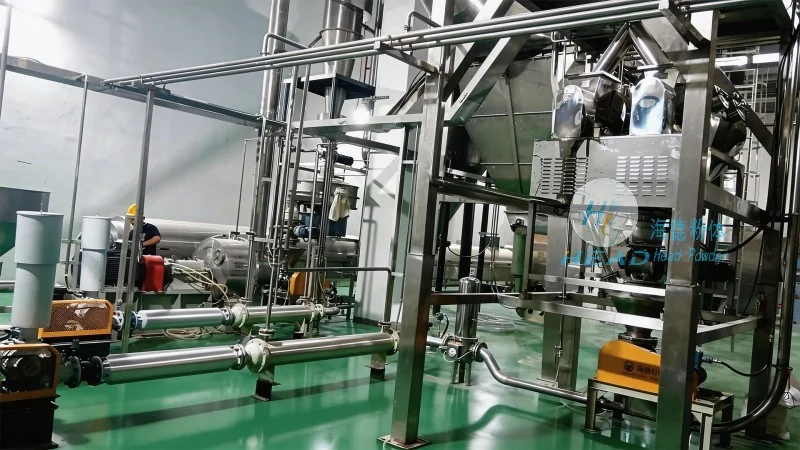
Challenges and Solutions in Bulk Bag Packing Material Handling
Despite its advantages, bulk bag packing material handling faces several challenges that must be addressed to ensure optimal performance. One of the primary challenges is the risk of material spillage or leakage during handling and transport. This can be mitigated through the use of secure closures, reinforced seams, and proper handling techniques. Another challenge is the potential for bag damage or rupture due to overfilling or improper handling. To address this, operators must be trained to follow proper loading procedures and use appropriate equipment. Additionally, the system may face challenges related to material compatibility, as some materials may be corrosive or abrasive to the bag material. The use of specialized bag materials, such as those made from polyethylene or other resistant fabrics, can help mitigate these issues. Finally, the system may encounter challenges related to storage and space constraints, as bulk bags can be bulky and require significant storage space. Proper storage and handling procedures, including stacking and securing bags, can help optimize space utilization and prevent damage.
Future Trends in Bulk Bag Packing Material Handling
As technology advances, the future of bulk bag packing material handling is likely to see several developments aimed at improving efficiency and sustainability. One trend is the use of advanced materials, such as biodegradable or recyclable fabrics, to reduce the environmental impact of bulk bags. These materials are designed to be more sustainable while maintaining the strength and durability required for material handling. Another trend is the integration of automation and robotics into the system, reducing the need for manual labor and improving operational efficiency. Automated filling and handling equipment can help streamline the process and minimize human error. Additionally, the use of IoT (Internet of Things) technology is emerging as a way to monitor and control bulk bag packing systems in real-time. This allows for better tracking of material movement, inventory management, and predictive maintenance, further enhancing the efficiency and reliability of the system. These trends are likely to continue shaping the future of bulk bag packing material handling, making it even more efficient, sustainable, and adaptable to changing industry needs.