

Lead Powder Material Handling: Design Principles Explained
Lead powder material handling is a specialized field within industrial processing that focuses on the efficient and safe transportation of lead powder. This critical process is essential in various industries, including battery manufacturing, where lead powder serves as a key component in the production of lead-acid batteries. Understanding the design principles behind lead powder handling systems is vital for optimizing production efficiency, ensuring product quality, and maintaining workplace safety.
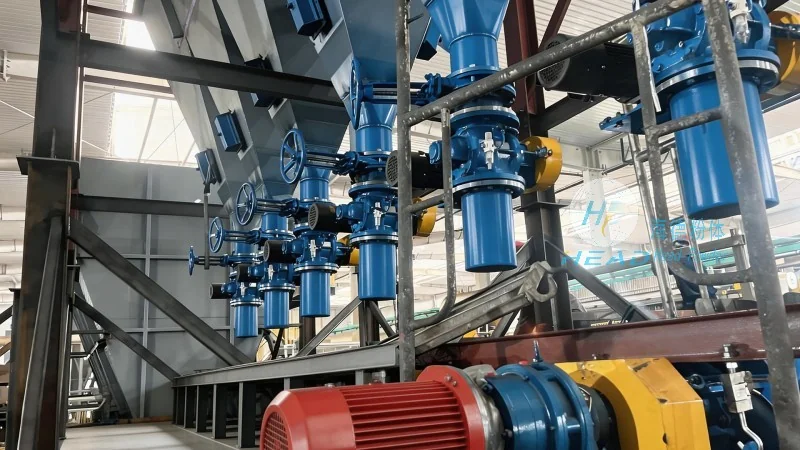
Understanding Lead Powder Material Handling
Lead powder, characterized by its fine particle size and chemical properties, requires specialized equipment and methodologies to handle effectively. Unlike bulk materials, lead powder can be prone to dust generation, agglomeration, and handling challenges due to its fine texture. Therefore, the design of lead powder handling systems must address these unique characteristics to prevent material loss, equipment damage, and environmental contamination. The primary goal of lead powder material handling is to move the powder from storage to processing areas while minimizing dust exposure and maintaining consistent material flow.
Key Design Principles for Lead Powder Handling Systems
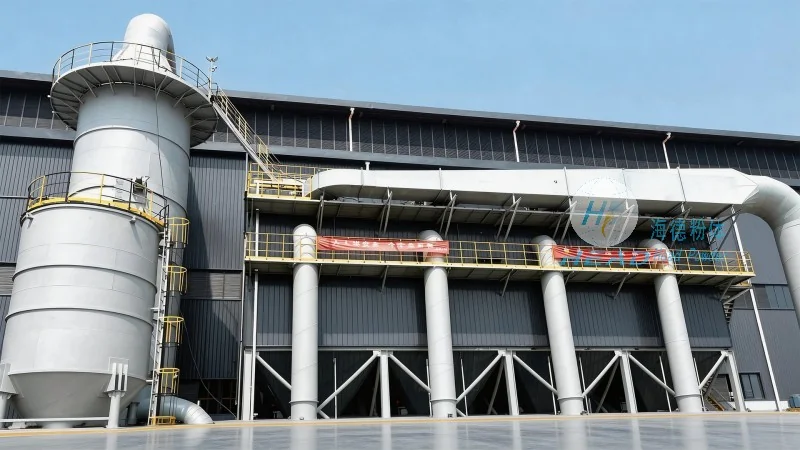
Effective lead powder handling systems are built on several core design principles that ensure reliability, efficiency, and safety. These principles include the selection of appropriate equipment, the implementation of dust control measures, and the integration of material flow management strategies. The choice of equipment, such as pneumatic conveyors, screw conveyors, or vacuum systems, depends on factors like the lead powder's properties, the required throughput, and the system layout. For instance, pneumatic conveyors are often preferred for fine powders due to their ability to handle high volumes and minimize material degradation. Additionally, the design must incorporate proper sealing and filtration to prevent lead dust from escaping into the environment, aligning with regulatory standards and environmental protection goals.
Components of a Lead Powder Handling System
A typical lead powder handling system consists of several interconnected components that work together to achieve efficient material transport. These components include storage silos or hoppers, feeding mechanisms, conveying equipment, and material processing units. The storage silos are designed to hold large quantities of lead powder while maintaining consistent material flow to the conveyor system. Feeding mechanisms, such as rotary valves or vibratory feeders, regulate the flow of powder from the storage silo to the conveyor, ensuring a controlled and steady supply. The conveying equipment, as mentioned earlier, transports the lead powder from the feeding point to the processing area, such as a mixing or compaction unit. Each component must be carefully selected and integrated to ensure seamless operation and minimal downtime. For example, the use of stainless steel or corrosion-resistant materials in the system components is crucial to prevent lead powder from adhering to surfaces and causing blockages or contamination.
Material Flow and Process Integration
Integrating lead powder handling systems with the overall production process is essential for maximizing efficiency and minimizing waste. The design must consider the flow of material from raw lead powder to the final product, ensuring that each step is optimized for performance. This includes coordinating the handling system with downstream processes like mixing, casting, or battery assembly. By integrating the lead powder handling system with the entire production line, manufacturers can achieve better control over material usage, reduce material loss, and improve overall production throughput. Additionally, the system design should allow for flexibility in accommodating changes in production volume or material specifications, ensuring long-term operational efficiency.
Safety and Environmental Considerations
Handling lead powder involves significant safety and environmental considerations due to the material's toxicity and potential for dust exposure. The design of lead powder handling systems must prioritize safety measures to protect workers and the environment. This includes the implementation of dust collection systems, proper ventilation, and personal protective equipment (PPE) for personnel. The system should be equipped with features like dust filters, exhaust hoods, and sealed conveyor systems to minimize dust emissions. Furthermore, the design must comply with local and international regulations regarding lead handling and environmental protection. For example, in many regions, there are strict guidelines on lead dust exposure limits and waste disposal, which the system must adhere to. By incorporating robust safety and environmental measures, manufacturers can ensure compliance and maintain a safe working environment.
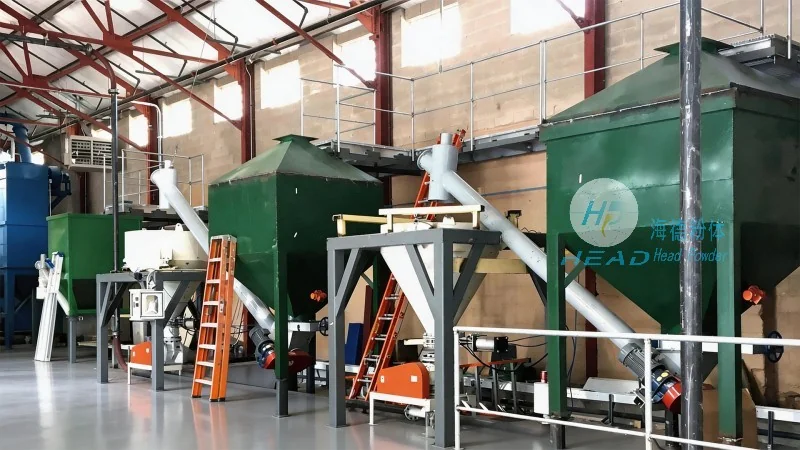
Case Study: Lead Powder Handling at Shandong HeadPowder Engineering Co., Ltd.
Shandong HeadPowder Engineering Co., Ltd., a leading provider of lead powder handling solutions, specializes in designing and manufacturing customized systems tailored to the specific needs of their clients. Based in Shandong, China, the company has extensive experience in the lead industry and understands the unique challenges of handling lead powder. Their lead powder handling systems are engineered to meet the highest standards of efficiency, safety, and reliability. For instance, one of their projects involved designing a pneumatic conveying system for a battery manufacturer, which significantly improved material throughput and reduced dust exposure. The system included advanced dust control features and corrosion-resistant components, ensuring long-term performance and compliance with environmental regulations. The success of this project highlights the importance of tailored design in lead powder handling, as each application has specific requirements that must be addressed to achieve optimal results.
Conclusion: The Importance of Expert Design in Lead Powder Handling
In conclusion, lead powder material handling is a complex process that requires careful consideration of design principles to ensure efficiency, safety, and environmental compliance. The selection of appropriate equipment, integration of dust control measures, and coordination with the overall production process are all critical factors in the success of a lead powder handling system. Companies like Shandong HeadPowder Engineering Co., Ltd. play a vital role in providing expert solutions that address these challenges and help manufacturers achieve their production goals. By investing in well-designed lead powder handling systems, businesses can improve operational efficiency, reduce costs, and maintain a safe working environment, ultimately contributing to their long-term success in the lead industry.