

What is a Sodium Hypochlorite Pneumatic Conveying Machine? And What Are Its Design Principles?
This article aims to provide a comprehensive overview of sodium hypochlorite pneumatic conveying machines, focusing on their fundamental purpose and the underlying design principles that govern their operation. As a critical piece of industrial equipment, these machines are essential for the efficient and safe transport of sodium hypochlorite, a widely used chemical in various sectors such as water treatment, disinfection, and chemical manufacturing. Understanding how these systems work and their design intricacies is vital for users seeking to optimize their operations and ensure compliance with safety and performance standards.
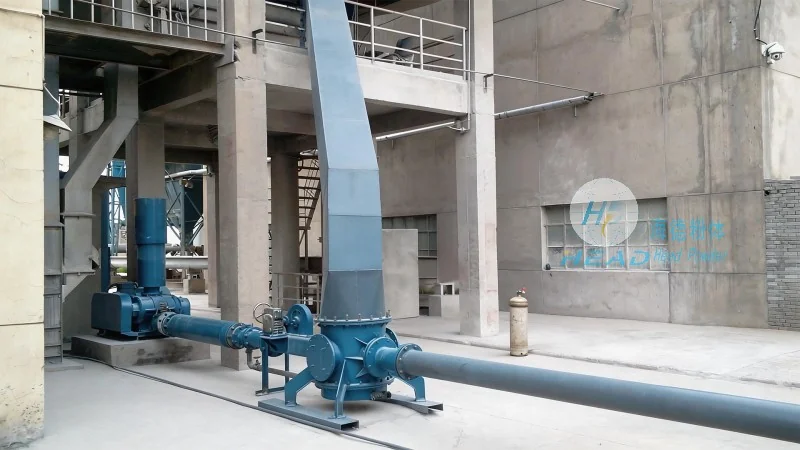
Company Overview: Shandong HeadPowder Engineering Co., Ltd.
The information presented in this article is provided by Shandong HeadPowder Engineering Co., Ltd., a leading manufacturer specializing in industrial conveying solutions. With a strong presence in the Chinese market, particularly in Shandong province, the company has built a reputation for delivering high-quality, reliable equipment tailored to the specific needs of its clients. HeadPowder's expertise lies in the design, manufacturing, and integration of pneumatic conveying systems, ensuring that their products meet stringent industry requirements and offer long-term durability and efficiency.
Understanding the Core Function of the Equipment
The primary function of a sodium hypochlorite pneumatic conveying machine is to transport sodium hypochlorite, typically in liquid or slurry form, from a storage tank or production area to a processing unit or storage location. This is achieved through the use of compressed air or other gases, which create a flow of material through a pipeline. The system is designed to handle the unique properties of sodium hypochlorite, including its corrosive nature and potential for chemical reactions, ensuring that the material is transported safely and without degradation.
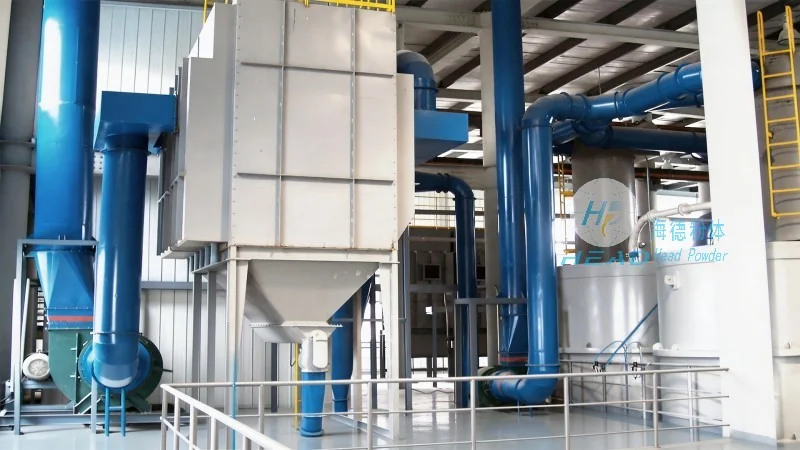
Detailed Design Principles of the Pneumatic Conveying System
The design of a sodium hypochlorite pneumatic conveying machine is based on several key principles that ensure efficient and reliable operation. The first principle is the creation of a consistent air flow, which is critical for maintaining the material's suspension and preventing blockages. This is achieved through the use of high-quality air compressors and appropriate pipeline sizing, which are tailored to the specific flow rates and material characteristics. Another crucial principle is the incorporation of corrosion-resistant materials, such as stainless steel or specialized coatings, to protect the equipment from the chemical's aggressive properties. Additionally, the system is designed with safety features, including pressure relief valves and monitoring systems, to prevent accidents and ensure operator safety. The design also considers the specific properties of sodium hypochlorite, such as its viscosity and density, to optimize the conveying process. For example, in dense-phase conveying, the air flow is controlled to maintain a low velocity, which reduces the risk of material degradation and pipeline wear. In contrast, dilute-phase conveying uses higher air velocities to transport the material more quickly, but requires more energy and careful control to prevent blockages.
Key Components and Their Roles in the Machine
Several key components work together to enable the operation of a sodium hypochlorite pneumatic conveying machine. The main components include the storage tank or feed hopper, which holds the sodium hypochlorite; the air compressor, which provides the necessary pressure for conveying; the pipeline system, which transports the material; and the control system, which regulates the flow of air and material. Each component plays a vital role in the overall performance of the machine. For example, the storage tank must be designed to withstand the chemical's corrosive effects and maintain a consistent level of material. The air compressor must be capable of delivering sufficient pressure to move the material through the pipeline, while the control system ensures that the flow is optimized and monitored in real-time. The pipeline system is typically made of materials like PVC or stainless steel, selected based on the chemical's compatibility and the required pressure rating. The control system may include sensors to monitor pressure, flow rate, and temperature, providing real-time data to operators and enabling automated adjustments.
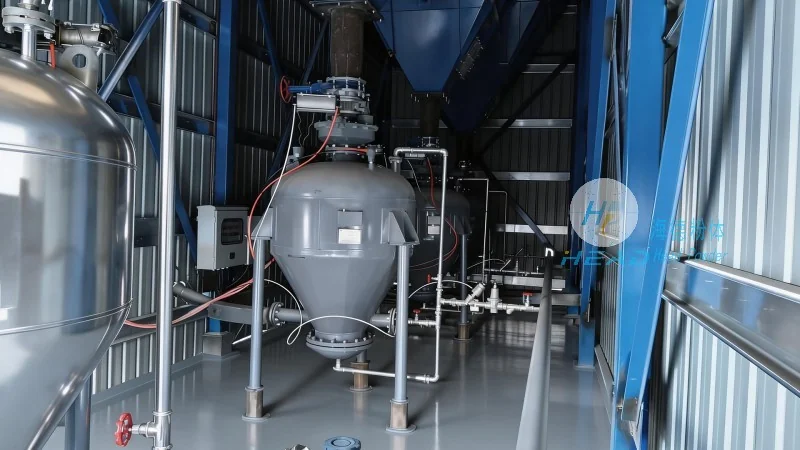
Operational Mechanism and Safety Considerations
The operational mechanism of a sodium hypochlorite pneumatic conveying machine involves several steps. First, the sodium hypochlorite is introduced into the storage tank or feed hopper. Then, the air compressor is activated, creating a flow of air through the pipeline. The air flow draws the material from the tank and transports it to the destination. The system is designed to maintain a consistent flow rate, ensuring that the material is conveyed efficiently without excessive pressure or velocity. Safety considerations are paramount in the operation of these machines. Operators must follow strict protocols to prevent exposure to the chemical, including wearing appropriate personal protective equipment (PPE) such as gloves, goggles, and respirators. The system is also equipped with emergency shut-off valves and proper ventilation to prevent the buildup of hazardous fumes. Regular maintenance and inspections are required to ensure that the equipment is functioning correctly and to identify any potential issues before they become major problems. This includes checking for leaks, corrosion, and wear on components, as well as verifying that the air compressor and control system are operating within safe parameters.
Applications and Benefits in Industrial Settings
Sodium hypochlorite pneumatic conveying machines are widely used in various industrial settings due to their efficiency and reliability. In water treatment facilities, these machines are used to transport sodium hypochlorite to disinfection systems, ensuring that water is treated effectively and safely. The ability to transport the chemical in a controlled manner minimizes the risk of contamination and ensures consistent disinfection levels. In chemical manufacturing, they are used to transport the chemical to production lines, where it is used as an intermediate in the manufacturing process. The benefits of using these machines include increased efficiency, reduced labor costs, and improved safety. By automating the transport process, these machines reduce the need for manual handling, which can be dangerous and time-consuming. Additionally, the use of pneumatic conveying systems reduces the risk of contamination and ensures that the material is transported in a controlled environment. Another advantage is the ability to transport sodium hypochlorite over long distances without the need for intermediate storage or handling, which can improve overall process flow and reduce downtime. The design of these machines also allows for easy integration with existing industrial systems, making them a versatile solution for various applications.