Intelligent pneumatic conveying systems represent a sophisticated technology used in material handling and processing industries. These systems are designed to transport bulk materials such as powders, granules, and fine particles through a network of pipes using air or other gases as the primary transport medium. The term "intelligent" often refers to advanced control systems and automation features that enhance operational efficiency, safety, and reliability. Understanding the core components and design principles of such systems is crucial for industries seeking to optimize material handling processes.
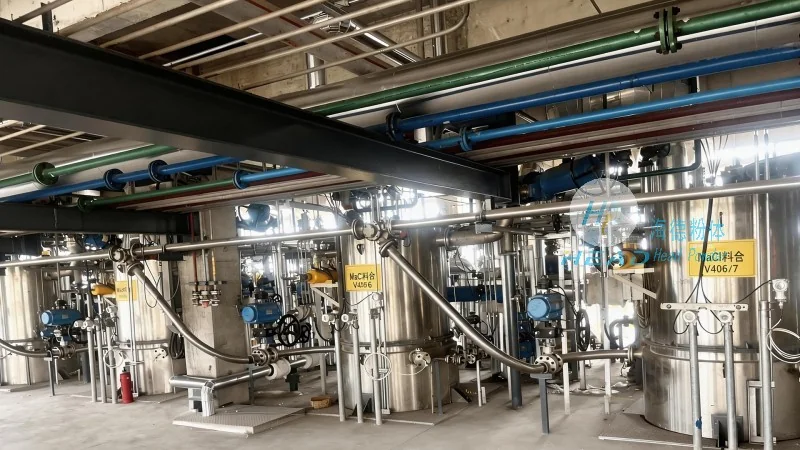
Overview of Intelligent Pneumatic Conveying Systems
At the heart of an intelligent pneumatic conveying system lies a combination of mechanical, pneumatic, and control components. The system typically includes a material feed hopper, a conveying line (composed of pipes, bends, and fittings), a pneumatic power source (like a blower or compressor), and a control unit. Modern systems may also incorporate sensors, variable frequency drives (VFDs), and advanced software for real-time monitoring and adjustment. This integration allows for precise control over material flow rates, pressure, and system performance, making them suitable for a wide range of applications from food processing to chemical manufacturing.
Key Components and Their Functions
The design of an intelligent pneumatic conveying system relies on several critical components, each playing a vital role in the overall operation. The material feed hopper is responsible for storing and feeding the bulk material into the system. It may include features like a rotary valve or a feeder to ensure a consistent and controlled material flow. The conveying line, made from materials such as stainless steel or plastic, is designed to withstand the pressure and abrasion from the transported material. Bends and fittings are strategically placed to guide the material through the system while minimizing pressure losses. The pneumatic power source, often a high-efficiency blower, generates the necessary airflow to move the material. Finally, the control unit, equipped with sensors and software, monitors system parameters like pressure, flow rate, and temperature, and adjusts the operation to maintain optimal performance.
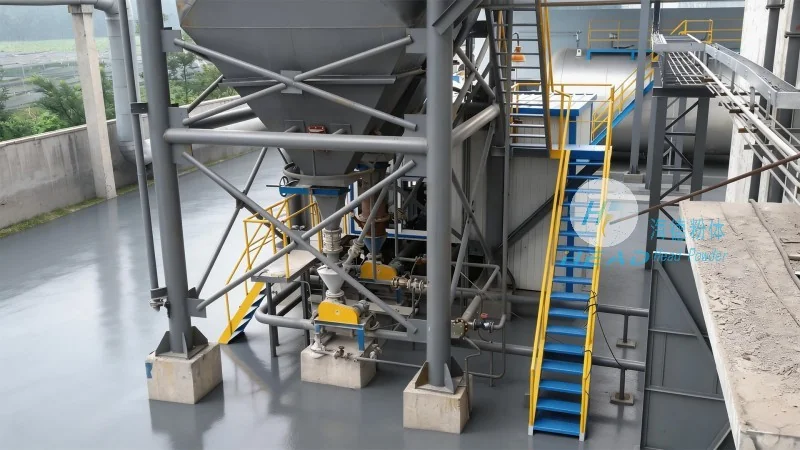
Design Principles and Considerations
Designing an intelligent pneumatic conveying system involves several key principles to ensure efficiency, reliability, and safety. One of the primary considerations is the selection of the appropriate conveying method, which can be classified as positive pressure, negative pressure, or a combination of both. Positive pressure systems use a blower to push material through the line, while negative pressure systems use a vacuum to draw material. The choice depends on factors such as material properties, system length, and required flow rates. Another critical design aspect is the system layout, which must account for the material's physical characteristics, including particle size, density, and moisture content. Proper sizing of the pipes and the power source is essential to prevent blockages and ensure smooth operation. Additionally, the integration of safety features, such as pressure relief valves and emergency stop buttons, is a standard practice to protect personnel and equipment.
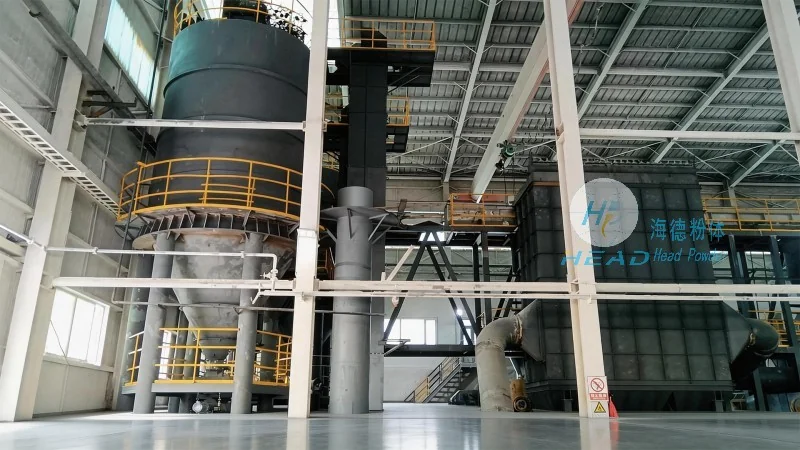
Advantages of Intelligent Pneumatic Conveying Systems
Intelligent pneumatic conveying systems offer numerous advantages over traditional material handling methods. These include improved hygiene and cleanliness, as the material is contained within a closed system, reducing dust and contamination. The systems also provide greater flexibility in terms of layout and material transport, allowing for vertical and horizontal movement. Automation and control features enable precise control over material flow, reducing waste and increasing productivity. Furthermore, the systems are generally compact and can be installed in various spaces, making them suitable for both new and existing facilities. The use of advanced sensors and software allows for real-time monitoring and predictive maintenance, reducing downtime and maintenance costs.
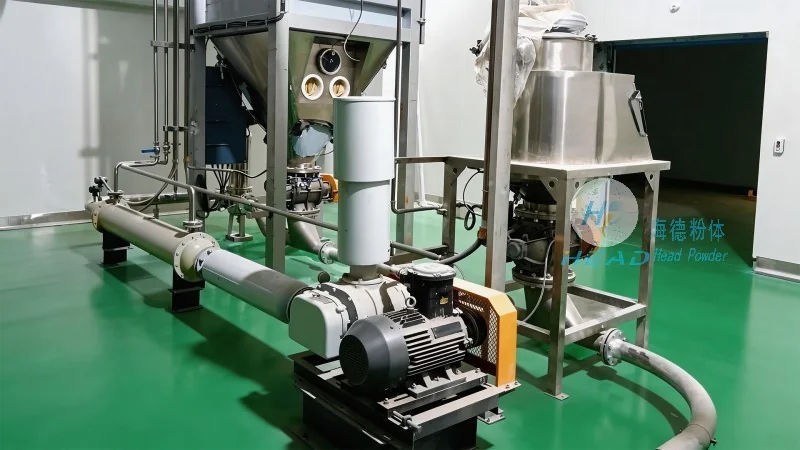
Applications in Various Industries
Intelligent pneumatic conveying systems are widely used across multiple industries due to their versatility and efficiency. In the food and beverage industry, these systems are employed to transport ingredients like flour, sugar, and spices, ensuring food safety and maintaining product quality. In the chemical industry, they handle powders and granules, often requiring strict contamination control. The pharmaceutical industry also utilizes these systems for transporting active pharmaceutical ingredients (APIs) and other sensitive materials. Additionally, in the agricultural sector, they are used to transport grains and other bulk agricultural products. The ability to handle a wide range of materials and the integration of advanced control systems make intelligent pneumatic conveying systems a preferred choice for industries that demand high standards of efficiency and reliability.
Conclusion
In conclusion, intelligent pneumatic conveying systems are advanced material handling solutions that combine mechanical, pneumatic, and control technologies to efficiently transport bulk materials. The design principles, which include careful consideration of material properties, system layout, and control features, ensure optimal performance and reliability. As industries continue to seek more efficient and automated material handling solutions, these systems remain a critical component in modern manufacturing and processing operations. The integration of intelligent control systems further enhances their capabilities, making them a valuable investment for companies looking to improve operational efficiency and product quality.




