

What is a High-Calcium Pneumatic Conveying System? And What Are Its Design Principles?
High-calcium materials, such as limestone or calcium carbonate powders, are widely used in industrial processes across various sectors including chemical, pharmaceutical, and food production. The efficient and reliable transportation of these fine powders from one processing stage to another is crucial for maintaining production efficiency and product quality. This is where high-calcium pneumatic conveying systems come into play, offering a solution that combines performance with flexibility. Developed by Shandong HeadPowder Engineering Co., Ltd., a leading manufacturer based in China, these systems are engineered to handle the unique challenges of high-calcium material handling.
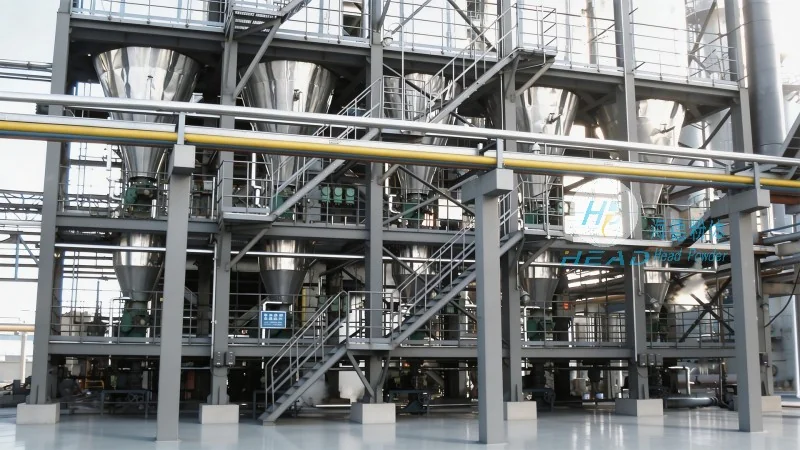
Understanding High-Calcium Pneumatic Conveying Systems
At the core of high-calcium pneumatic conveying systems is the method of transporting bulk materials through a pipeline using compressed air or other gas. Unlike traditional mechanical conveying methods, which rely on rotating equipment like screws or belts, pneumatic systems utilize the force of the moving gas to move the material. This approach is particularly advantageous for handling fine, dusty, or abrasive powders like high-calcium compounds, as it minimizes material degradation and reduces the risk of blockages or contamination.
The Design Principles Behind High-Calcium Pneumatic Conveying
The design of a high-calcium pneumatic conveying system involves several key principles that ensure optimal performance and longevity. First, the system must be engineered to handle the specific physical properties of the high-calcium material, including its particle size, density, and flow characteristics. These properties dictate the type of conveying mode—whether it's dilute phase (where particles are suspended in the gas stream) or dense phase (where particles are more closely packed). For high-calcium powders, dilute phase conveying is often preferred due to its lower pressure requirements and ability to handle longer distances with less energy consumption.
Second, the system's components, such as the air compressor, cyclone separators, and material feeders, must be selected to withstand the abrasive nature of the high-calcium material. Materials like stainless steel or special alloys are commonly used for parts that come into direct contact with the powder to prevent wear and corrosion. Additionally, the system's layout and piping design are critical to minimize pressure drops and ensure consistent flow, which directly impacts the system's efficiency and reliability.
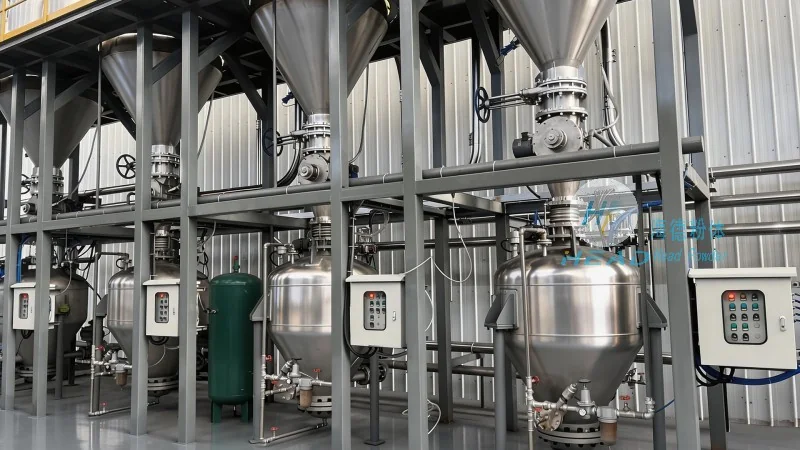
Key Components and Their Roles
Several key components make up a high-calcium pneumatic conveying system, each playing a vital role in the overall operation. The air compressor is the heart of the system, providing the necessary pressure and volume of air to move the material through the pipeline. It must be capable of delivering consistent airflow, often with variable speed controls to adjust to changing material loads.
The material feeder is another critical component, responsible for accurately metering the high-calcium powder into the conveying line. Proper feeding is essential to maintain a stable flow and prevent surges or blockages. Feeder types may include rotary valves, screw feeders, or vibratory feeders, depending on the material's characteristics and the system's requirements.
Cyclone separators are used to separate the material from the air stream at the end of the conveying line. These devices use centrifugal force to separate the heavier particles from the lighter air, allowing the air to be recycled back to the compressor while the material is collected for further processing. The design of the cyclone, including its size and number of stages, is tailored to the specific particle size and density of the high-calcium material to ensure high separation efficiency.
Advantages of High-Calcium Pneumatic Conveying Systems
Implementing a high-calcium pneumatic conveying system offers several advantages over traditional conveying methods. One of the most significant benefits is the ability to handle fine powders without the need for additional equipment like hoppers or chutes, which can cause material degradation. The system also provides a closed-loop operation, reducing dust emissions and improving workplace safety. Furthermore, pneumatic conveying systems are more flexible in terms of layout, allowing for changes in the production line without major reconfigurations.
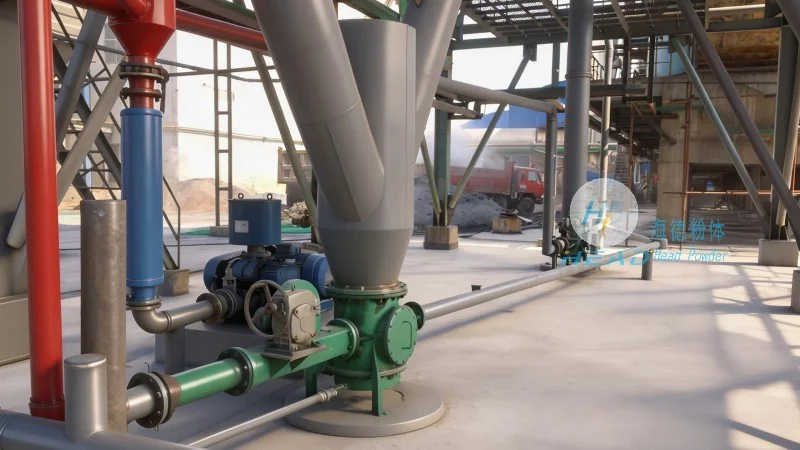
Another advantage is the reduced maintenance requirements compared to mechanical systems. With fewer moving parts, the risk of wear and tear is lower, leading to lower downtime and maintenance costs. Additionally, the system's ability to handle abrasive materials without significant wear on components makes it a cost-effective solution for long-term operation.
Applications in Industrial Settings
High-calcium pneumatic conveying systems are widely used in various industrial applications where the transportation of fine powders is essential. In the chemical industry, these systems are used to transport calcium carbonate for the production of plastics, paints, and coatings. In the pharmaceutical industry, they are employed to convey raw materials for drug manufacturing, ensuring a clean and dust-free environment. The food industry also utilizes pneumatic conveying for handling calcium-rich ingredients like limestone or calcium carbonate in food processing.
In each of these applications, the system's design is tailored to meet the specific requirements of the process, ensuring that the high-calcium material is transported efficiently and safely. The flexibility of the system allows it to adapt to different production scales and material variations, making it a versatile solution for modern industrial needs.