

What is a Pepper Pneumatic Conveying System? What are its Design Principles?
HeadPowder, a leading engineering company based in Shandong, China, specializes in the design and implementation of efficient pneumatic conveying systems for various agricultural products. This article explores the concept of a pepper pneumatic conveying system, its core components, and the fundamental design principles that ensure optimal performance in handling and transporting pepper materials.
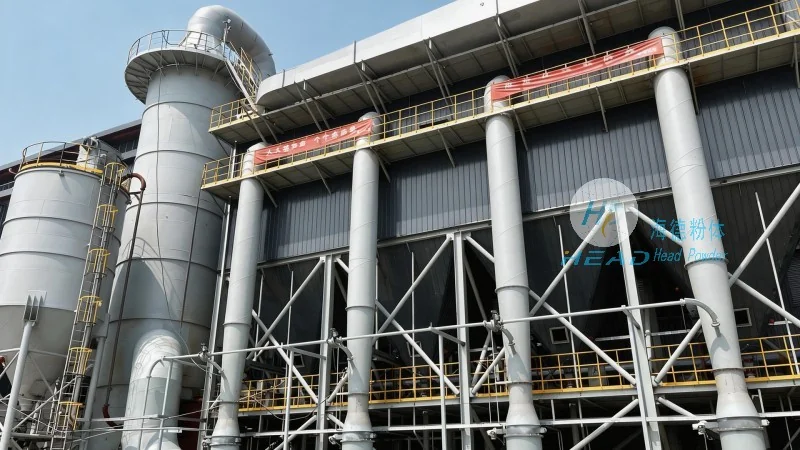
A pepper pneumatic conveying system is a mechanical system that uses air pressure or vacuum to move bulk materials, such as dried or ground pepper, from one location to another. Unlike traditional mechanical conveyors, which rely on belts, buckets, or screws, pneumatic systems utilize air flow to transport the product, making them particularly suitable for delicate or sensitive materials like spices and herbs. The system typically consists of a hopper, a conveyor line, a separator, and a receiver, all working in tandem to ensure efficient and gentle handling of the pepper.
One of the key advantages of a pepper pneumatic conveying system is its ability to handle materials with minimal damage. The gentle air flow reduces the risk of crushing or breaking the pepper particles, preserving their flavor, aroma, and quality. This is crucial for industries where the sensory properties of the product are paramount, such as in the spice and food processing sectors. Additionally, pneumatic systems offer flexibility in terms of layout, as they can be installed in various configurations to suit the specific needs of a facility, including vertical or horizontal transport, and even complex routing to navigate around obstacles or existing equipment.
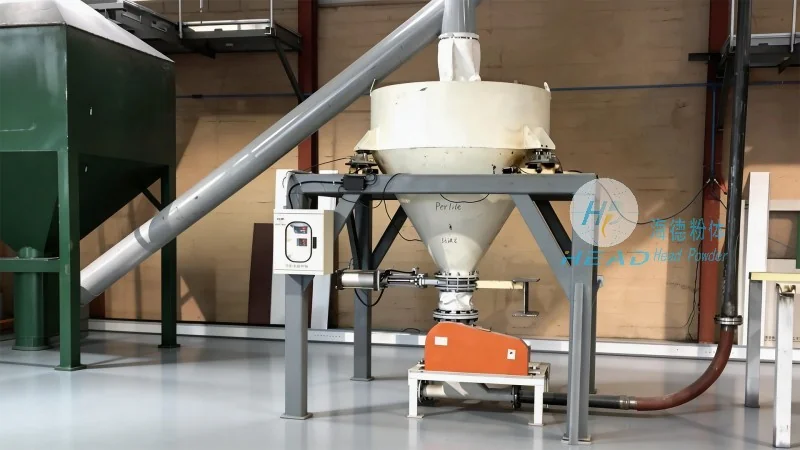
The design principles of a pepper pneumatic conveying system are centered on maintaining consistent air flow and pressure to ensure reliable material transport. The system must be designed to handle the specific characteristics of pepper, including its particle size, density, and moisture content. For example, if the pepper is ground into a fine powder, the system may require a higher air velocity to prevent clogging or blockages in the conveyor line. Conversely, if the pepper is in larger, whole or crushed form, a lower air velocity may be sufficient, but the system must still be able to maintain a stable flow to avoid material degradation.
Another critical design consideration is the separation of the pepper from the air stream. As the pepper travels through the conveyor line, it may become mixed with air, dust, or other particles. A separator, often a cyclone or a bag filter, is used to separate the pepper from the air, ensuring that the product is collected in a clean and dry state. This step is essential for maintaining product purity and preventing contamination, which is especially important for food-grade applications. The separator is typically located at the end of the conveyor line and is designed to efficiently separate the pepper from the air, with minimal loss of product.
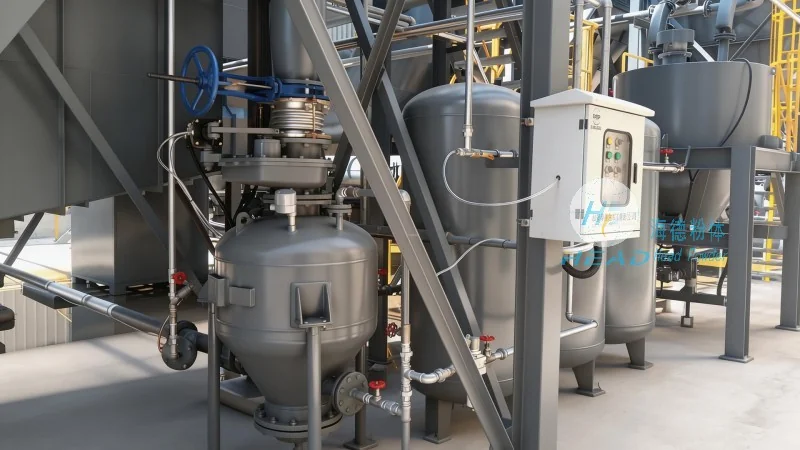
The hopper, which is the starting point of the system, plays a vital role in the design. It must be large enough to hold the required volume of pepper and should be equipped with a feeder that can control the flow of material into the conveyor line. The feeder, such as a rotary valve or a star feeder, ensures a consistent and controlled flow of pepper, preventing overloading or underloading of the system. This consistency is crucial for maintaining the stability of the air flow and preventing fluctuations that could lead to system inefficiencies or material damage.
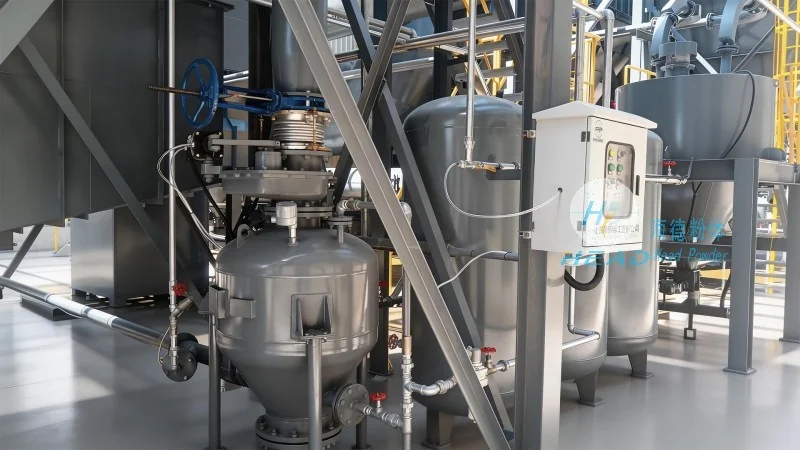
The receiver, located at the end of the conveyor line, is responsible for collecting the pepper after it has been separated from the air. It must be designed to handle the volume of pepper being transported and should be equipped with a discharge mechanism that allows for easy removal of the product. The receiver may also include a storage or processing area, depending on the specific application. For example, if the pepper is being transported to a packaging line, the receiver may be integrated with a hopper that feeds the packaging machine.
In summary, a pepper pneumatic conveying system is a sophisticated and efficient solution for handling and transporting pepper materials. By leveraging the principles of air flow and pressure, the system ensures minimal product damage, consistent performance, and flexibility in layout. The design of such a system requires careful consideration of the material properties, the required transport distance, and the specific application, all of which are addressed by companies like HeadPowder, who specialize in engineering customized solutions for the agricultural and food processing industries.