

What is a Cereal Pneumatic Conveying System? And What Are Its Design Principles?
Shandong HeadPowder Engineering Co., Ltd., commonly known as headpowder, is a leading manufacturer based in Shandong, China, specializing in the design and production of pneumatic conveying systems for bulk materials. The company has extensive experience in providing customized solutions for industries that require efficient and reliable material handling, particularly for food-grade products like cereals.
Understanding Cereal Pneumatic Conveying Systems
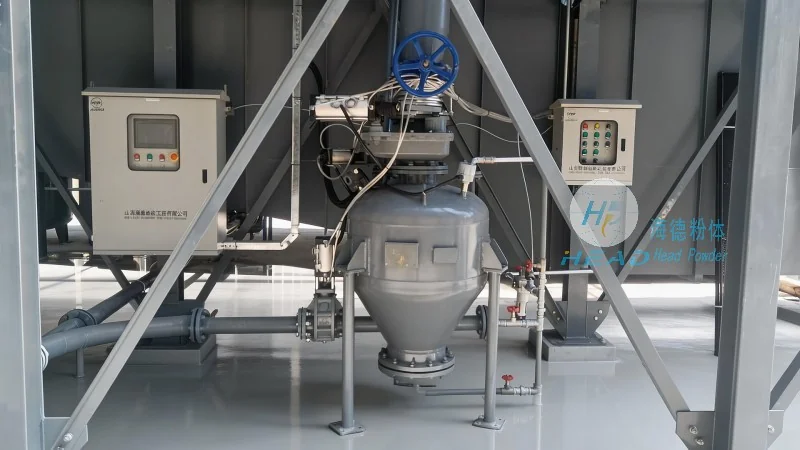
A cereal pneumatic conveying system is a technology used to transport dry bulk materials, such as cereals, through a pipeline using compressed air or other gas as the conveying medium. Unlike traditional mechanical conveying methods that rely on belts, buckets, or screws, this system utilizes the force of air to move the material, making it an ideal choice for delicate, abrasive, or hygienically sensitive products. The system typically consists of several key components, including a hopper for material storage, a feeder to control the flow rate, a pipeline network to transport the material, a separator to separate the material from the air, and a receiver to collect the final product.
Core Design Principles of the System
The design of a cereal pneumatic conveying system is based on fundamental principles of fluid dynamics and material handling. The primary goal is to create a consistent and efficient flow of material through the pipeline while minimizing energy consumption and material degradation. Several critical factors are considered during the design process:
First, the material properties of the cereal are a key consideration. Factors such as particle size, density, moisture content, and flowability (e.g., whether the material is free-flowing or cohesive) directly impact the system's design. For example, fine particles may require higher air velocities to prevent clogging, while larger, heavier particles may need a different pressure setup to ensure proper transport.
Second, the system's pressure type—either positive pressure or negative pressure—plays a crucial role. Positive pressure systems use compressed air to push the material through the pipeline, while negative pressure systems use vacuum to pull the material. The choice depends on the application, material characteristics, and the distance the material needs to be transported. For cereal handling, positive pressure systems are often preferred as they provide better control over the material flow and are more suitable for long-distance transport.
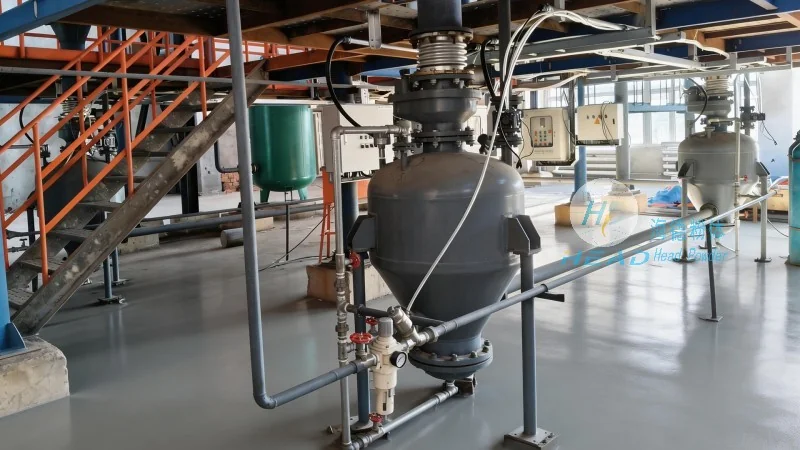
Third, the system's capacity and flow rate are determined based on the production requirements. The design must ensure that the conveying system can handle the desired throughput without causing excessive pressure drops or material degradation. This involves calculating the appropriate air volume and pressure to maintain a stable flow rate throughout the pipeline.
Fourth, the system's components, such as the hopper, feeder, and separator, are designed to minimize material contact with surfaces and to prevent contamination. For food-grade cereals, materials like stainless steel are commonly used for all components to ensure hygiene and compliance with food safety regulations.
Advantages of Cereal Pneumatic Conveying Systems
Compared to traditional mechanical conveying methods, cereal pneumatic conveying systems offer several advantages that make them a preferred choice in the industry:
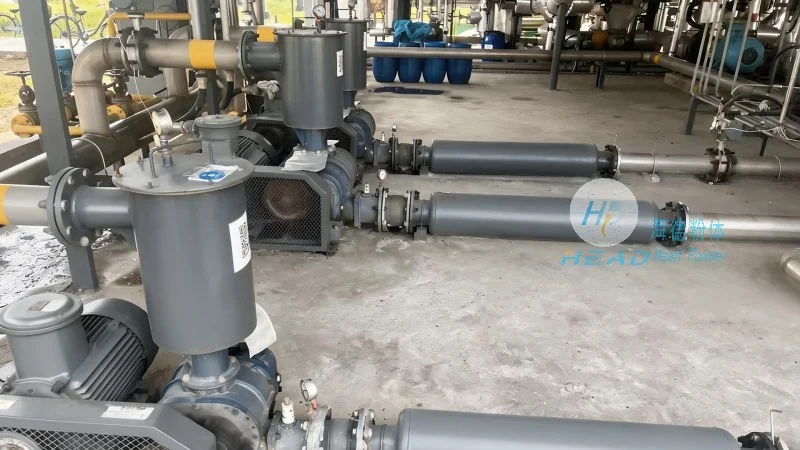
One of the main advantages is the elimination of moving parts in direct contact with the product. This reduces the risk of material contamination and wear, which is particularly important for food-grade cereals. The system also provides a more hygienic and dust-free environment, as the material is contained within the pipeline and the air is filtered to remove any particles.
Another advantage is the flexibility and scalability of the system. Cereal pneumatic conveying systems can be easily expanded or modified to accommodate changes in production volume or to add additional discharge points. This makes them suitable for various industrial applications, from small-scale operations to large-scale manufacturing facilities.
Furthermore, the system is energy-efficient and cost-effective in the long run. By reducing the need for mechanical components and minimizing material degradation, the overall operational costs are lower compared to traditional methods. The system also requires less maintenance, as there are fewer moving parts that can break down or need replacement.
Applications in the Cereal Industry
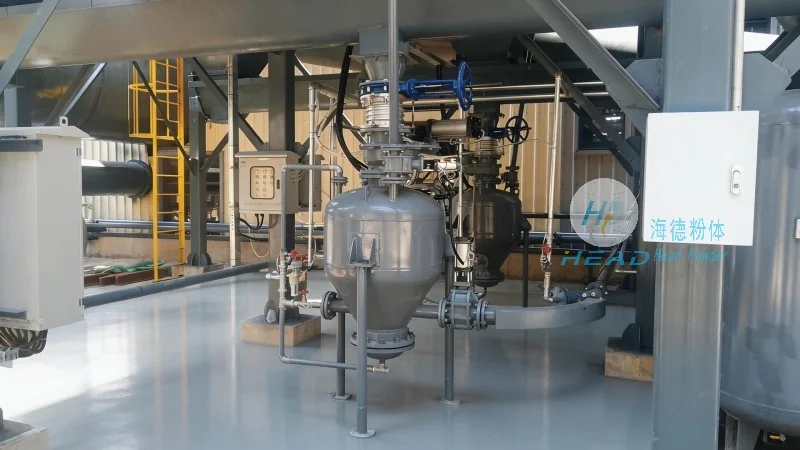
Cereal pneumatic conveying systems are widely used in the cereal industry for various processes, including raw material handling, processing, and packaging. For example, in a cereal production plant, the system can be used to transport raw cereals from storage silos to processing equipment, such as mills or mixers. It can also be used to move finished products from the packaging line to storage areas or shipping containers.
The system is particularly useful in handling delicate cereals like wheat, oats, or corn, which are prone to breakage or contamination if handled with mechanical equipment. By using a pneumatic system, the material is transported gently and efficiently, preserving its quality and integrity.
In addition, the system can be integrated with other processing equipment, such as separators or classifiers, to improve the overall efficiency of the production line. This integration allows for a seamless flow of material from one stage to the next, reducing downtime and increasing productivity.
Conclusion
Shandong HeadPowder Engineering Co., Ltd. specializes in providing high-quality cereal pneumatic conveying systems that are designed to meet the specific needs of the cereal industry. By understanding the material properties, system requirements, and design principles, the company ensures that each system is optimized for efficiency, reliability, and cost-effectiveness. The advantages of these systems, including hygiene, flexibility, and energy efficiency, make them an essential component in modern cereal processing facilities.